Business dinners, friend gatherings, holiday celebrations — in modern social life, drinking is almost unavoidable. Yet most people don't understand the metabolic journey alcohol takes through the body, or why some people can "drink all night" while others turn red after a single glass. Understanding the science of alcohol metabolism can help you protect yourself better in social settings and recover in the most scientifically effective way possible.
While enjoying social occasions, understanding alcohol metabolism can help you better protect your body
1. The Three-Step Alcohol Metabolism Pathway: Ethanol → Acetaldehyde → Acetate
When you take a sip of alcohol, ethanol begins being absorbed through the stomach wall and small intestine within minutes, entering the bloodstream. Over 90% of alcohol metabolism occurs in the liver, involving two key enzymes and three stages:
- Step 1: Ethanol → Acetaldehyde (ADH enzyme) — Alcohol Dehydrogenase (ADH) oxidizes ethanol into acetaldehyde. Acetaldehyde is a Group 1 carcinogen, 10-30 times more toxic than ethanol, and the primary culprit behind facial flushing, headaches, nausea, and other hangover symptoms.
- Step 2: Acetaldehyde → Acetate (ALDH2 enzyme) — Aldehyde Dehydrogenase 2 (ALDH2) further oxidizes the toxic acetaldehyde into harmless acetic acid. This is the most critical — and most problematic — step in the entire alcohol metabolism process.
- Step 3: Acetate → CO₂ + H₂O — Acetate enters the tricarboxylic acid cycle (TCA cycle), ultimately breaking down into carbon dioxide and water for excretion, generating energy in the process.
⚠ Why Is Acetaldehyde So Dangerous?
The International Agency for Research on Cancer (IARC) under WHO has classified acetaldehyde as a Group 1 carcinogen. Acetaldehyde can form DNA adducts, causing gene mutations and chromosomal damage. Long-term, repeated exposure to high concentrations of acetaldehyde (such as from frequent heavy drinking) significantly increases the risk of esophageal, liver, and head and neck cancers. Even with social drinking, the transient accumulation of acetaldehyde causes oxidative damage to liver cells.
2. ALDH2 Gene Polymorphism: The Asian "Flush Gene"
If you or your Asian friends tend to turn red after drinking, this is not a sign of being a "good drinker" — quite the opposite. It's a classic manifestation of ALDH2 gene deficiency.
The ALDH2*2 mutation reduces enzyme catalytic activity by 70-80% (heterozygous) or nearly eliminates it entirely (homozygous). This means that after drinking, toxic acetaldehyde lingers longer and reaches higher concentrations, causing more severe facial flushing, rapid heartbeat, nausea, and headaches. More concerning, multiple epidemiological studies show that individuals carrying the ALDH2*2 allele who drink regularly face an esophageal cancer risk 6-12 times that of normal individuals.
❌ Common Myth: "Flushing = Good Drinker"
Facial flushing after drinking is NOT a sign of alcohol tolerance — it's a warning signal of insufficient ALDH2 enzyme activity and acetaldehyde accumulation. For these individuals, reducing drinking frequency and quantity is the most fundamental protective strategy. When social occasions make complete avoidance impossible, pre- and post-drinking nutritional support becomes especially critical.
3. Alcohol's Impact on Three Major Body Systems
1. The Liver: Your Front-Line "Detox Factory"
The liver handles over 90% of alcohol metabolism — it's the organ that needs the most protection
The liver handles over 90% of alcohol oxidative metabolism. Every drinking session is like a "chemical warfare" battle for your liver. The alcohol metabolism process generates massive amounts of reactive oxygen species (ROS), causing lipid peroxidation and liver cell membrane damage. Even a single episode of moderate drinking (3-4 standard drinks) can cause a temporary spike in alanine transaminase (ALT) levels. Repeated drinking over time leads to a progressively worsening chain of liver damage:
2. Gastric Mucosa: Alcohol's Direct Target
Alcohol is a lipid-soluble solvent that directly destroys the protective layer of the gastric mucosa. Alcohol concentrations above 20% (such as spirits) can rapidly dissolve the phospholipid layer on the stomach surface, causing mucosal congestion, edema, and even erosion. This is why drinking strong spirits on an empty stomach often leads to heartburn, nausea, and abdominal pain. Alcohol also stimulates excessive gastric acid secretion, further aggravating damage to the already compromised mucosa.
3. Nervous System: The True Source of Hangovers
Alcohol is a central nervous system depressant that produces sedative effects by enhancing GABA receptor activity and inhibiting glutamate receptors. When alcohol is fully metabolized, the nervous system experiences "rebound hyperexcitability" — this is the neurological mechanism behind hangover headaches, anxiety, insomnia, and difficulty concentrating. Additionally, alcohol's diuretic effect causes electrolyte imbalances and dehydration, further worsening headache symptoms.
| Affected System | Primary Damage Mechanism | Typical Symptoms | Recovery Key |
|---|---|---|---|
| Liver | Oxidative stress, acetaldehyde toxicity, lipid peroxidation | Elevated transaminases, right upper abdominal discomfort | Antioxidants, glutathione replenishment |
| Gastric Mucosa | Phospholipid layer dissolution, excessive acid secretion | Heartburn, nausea, loss of appetite | Mucosal protection, dietary adjustment |
| Nervous System | GABA rebound excitation, electrolyte imbalance | Headache, anxiety, insomnia, poor concentration | Hydration, electrolytes, B vitamins |
4. NAD+ and NADH: The Hidden Keys to Alcohol Metabolism
In the biochemistry of alcohol metabolism, there's an often-overlooked pair of "behind-the-scenes heroes" — NAD+ (Nicotinamide Adenine Dinucleotide) and its reduced form NADH. They are the core coenzymes of alcohol metabolism and the critical link connecting alcohol processing to the body's overall energy system.
📚 The Role of NAD+/NADH in Alcohol Metabolism
When ADH oxidizes ethanol to acetaldehyde, it requires NAD+ as an electron acceptor, converting NAD+ to NADH in the process. Similarly, when ALDH2 oxidizes acetaldehyde to acetate, it also consumes NAD+ and generates NADH.
This means: every molecule of ethanol fully metabolized requires two molecules of NAD+. During heavy drinking, NAD+ in liver cells is rapidly depleted, and the NADH/NAD+ ratio spikes dramatically.
The massive depletion of NAD+ triggers a cascade of consequences:
Impaired Energy Metabolism
NAD+ is a core coenzyme for the TCA cycle and electron transport chain. NAD+ depletion means normal energy production in liver cells is suppressed — this is directly linked to the "post-drinking exhaustion" you feel
Disrupted Fat Metabolism
An elevated NADH/NAD+ ratio inhibits fatty acid beta-oxidation, causing fat to accumulate in liver cells. This is why repeated drinking easily leads to fatty liver
Lactic Acid Buildup
Insufficient NAD+ causes more pyruvate to convert to lactate rather than entering the TCA cycle, raising blood lactate levels and worsening post-drinking muscle soreness and fatigue
Blood Sugar Dysregulation
NAD+ depletion inhibits gluconeogenesis, potentially causing post-drinking hypoglycemia. This is why some people feel dizzy, break out in cold sweats, or experience trembling after drinking
💡 Key Insight
NADH, as the reduced form of NAD+, plays a vital role in the recovery phase of alcohol metabolism. Supplementing with exogenous NADH can help accelerate acetaldehyde clearance and provide direct support to the suppressed mitochondrial energy system. Research shows that NADH can promote NAD+ regeneration cycles within cells, helping liver cells restore normal metabolic function more quickly.
5. Science-Backed Liver Protection: Milk Thistle & Curcumin
Silymarin (Milk Thistle Extract): Modern Science Validates an Ancient Herbal Remedy
Silymarin, extracted from Milk Thistle (Silybum marianum), is one of the most extensively researched natural liver-protective compounds in the world. Its most potent active component is Silybin (Silibinin), comprising 50-70% of total silymarin content.
✅ Four Liver Protection Mechanisms of Silymarin
1. Antioxidant Defense — Silymarin is a potent free radical scavenger that directly neutralizes reactive oxygen species (ROS) from alcohol metabolism and can boost intracellular glutathione (GSH) levels by over 35%. Glutathione is the liver's most important endogenous antioxidant.
2. Cell Membrane Stabilization — By integrating into the phospholipid bilayer of liver cell membranes, it strengthens membrane structural integrity and prevents toxic substances (such as acetaldehyde) from penetrating the cell interior.
3. Protein Synthesis Promotion — Stimulates RNA Polymerase I activity, promoting liver cell protein synthesis and accelerating the repair and regeneration of damaged liver cells.
4. Anti-inflammatory & Anti-fibrotic — Inhibits the NF-kB inflammatory pathway and hepatic stellate cell activation, reducing alcohol-induced liver inflammation and slowing fibrosis progression.
Curcumin: The Golden Anti-Inflammatory Molecule
Curcumin is the core active compound in turmeric (Curcuma longa), backed by over 13,000 published research papers. In the field of alcohol damage recovery, curcumin's value lies primarily in:
- Multi-target anti-inflammatory — Simultaneously inhibits COX-2, LOX-5, NF-kB and other inflammatory pathways, providing significant relief from alcoholic hepatitis inflammation
- Antioxidant — Scavenges superoxide anions and hydroxyl radicals, protecting liver cell mitochondria from oxidative damage
- Glutathione synthesis promotion — Upregulates the Nrf2/ARE pathway, enhancing the liver's intrinsic detoxification capacity
- Improved lipid metabolism — Activates the AMPK pathway, reducing alcohol-induced hepatic fat accumulation
6. B Vitamins: The First Nutrients Depleted After Drinking
Alcohol's depletion of B vitamins is comprehensive. The metabolic process of ethanol directly consumes Vitamin B1 (Thiamine), B2 (Riboflavin), B3 (Niacin), B6 (Pyridoxine), and Folate. Additionally, alcohol damages the gastric mucosa and intestinal epithelial cells, significantly reducing B vitamin absorption efficiency.
| B Vitamin | Alcohol-Induced Depletion | Deficiency Consequences |
|---|---|---|
| B1 (Thiamine) | Reduced absorption, increased utilization, decreased liver stores | Nerve damage, Wernicke encephalopathy, memory impairment |
| B2 (Riboflavin) | Alcohol inhibits B2 phosphorylation activation | Angular stomatitis, skin issues, reduced mitochondrial function |
| B3 (Niacin / NAD+ precursor) | Heavily consumed for NAD+ conversion during alcohol metabolism | Fatigue, indigestion, impaired NAD+ synthesis |
| B6 (Pyridoxine) | Acetaldehyde accelerates B6 degradation | Abnormal nerve conduction, decreased immune function |
| Folate (B9) | Alcohol interferes with folate absorption and metabolism | Megaloblastic anemia, impaired DNA synthesis |
💌 The Special Connection Between B3 and NAD+
Vitamin B3 (Niacin/Nicotinamide) is a direct precursor for NAD+ synthesis in the body. As mentioned earlier, alcohol metabolism heavily depletes NAD+, and B3 deficiency further impairs de novo NAD+ synthesis. This creates a vicious cycle: "Alcohol depletes NAD+ → NAD+ insufficiency → Increased B3 demand → B3 simultaneously depleted by alcohol." Therefore, supplementing B vitamins (especially B3) after drinking is crucial for restoring NAD+ levels.
7. A Science-Based Recovery Protocol for Social Drinking
Based on the alcohol metabolism mechanisms and nutritional depletion patterns discussed above, here is a scientifically validated, phased recovery strategy:
Phase 1: Pre-Drinking "Preventive Preparation"
- Never drink on an empty stomach — Eating protein- and healthy fat-rich foods (such as nuts, avocado, eggs) 1 hour before drinking can slow alcohol absorption by 40-50%
- Pre-load with liver support nutrients — Taking liver protection products containing silymarin, NADH, and B vitamins 30 minutes before drinking "pre-heats" the liver's detoxification system
- Proper hydration — Ensure adequate body hydration before drinking, as alcohol has a powerful diuretic effect that accelerates water and electrolyte loss
Phase 2: "Concurrent Protection" During Drinking
- Alternate with water between drinks — Alternating water is the simplest and most effective way to slow alcohol absorption and maintain hydration
- Control drinking pace — The liver metabolizes alcohol at approximately 7-10g per hour (about half a standard drink); the faster you drink, the more exceeds metabolic capacity
- Choose lower-concentration drinks — Beer and wine cause less direct damage to the gastric mucosa than spirits
- Eat while drinking — Snacking while drinking continuously slows alcohol absorption

Proper hydration and electrolyte replenishment are foundational recovery steps that effectively relieve dehydration-induced headaches and discomfort
Phase 3: "Systematic Recovery" After Drinking
- Immediate hydration + electrolytes — Upon arriving home, immediately drink 500ml+ of warm water or electrolyte beverages to replenish fluids and minerals lost through alcohol's diuretic effect
- Take hangover recovery supplements — A comprehensive formula containing NADH, silymarin, curcumin, and B vitamins can simultaneously support acetaldehyde clearance, liver cell protection, and nutrient replenishment
- Light eating for recovery — The next morning, choose easily digestible foods (such as oatmeal, toast, bananas) and avoid heavy, greasy foods that further burden the liver
- Adequate sleep — While alcohol disrupts normal sleep architecture (suppresses REM sleep), the body's repair efficiency is still highest during sleep
- Light exercise — Gentle aerobic exercise the next day (such as a 30-minute walk) can promote circulation and metabolic waste elimination, but intense exercise is not recommended
📌 Recovery Time Reference
- 2-3 standard drinks: ~8-12 hours for full metabolism, generally recovered by the next morning
- 4-6 standard drinks: ~16-24 hours for full metabolism, may need a full day to recover
- 7+ drinks: Full metabolism may exceed 24 hours, full rest the next day is recommended
* 1 Standard Drink = 12oz beer = 5oz wine = 1.5oz spirits (~14g pure alcohol)
8. Patented Scientific Formulas: Targeted Alcohol Metabolism Support
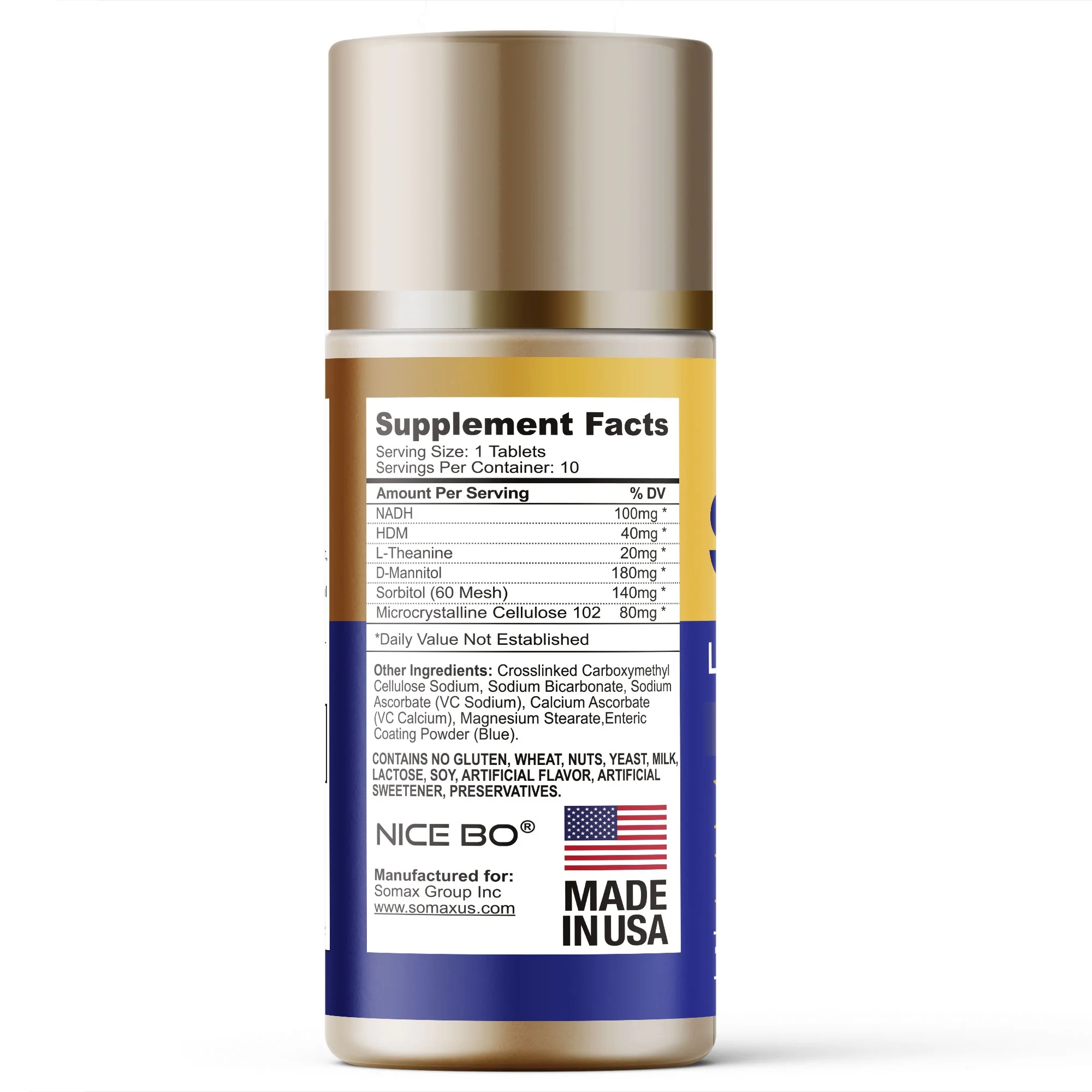
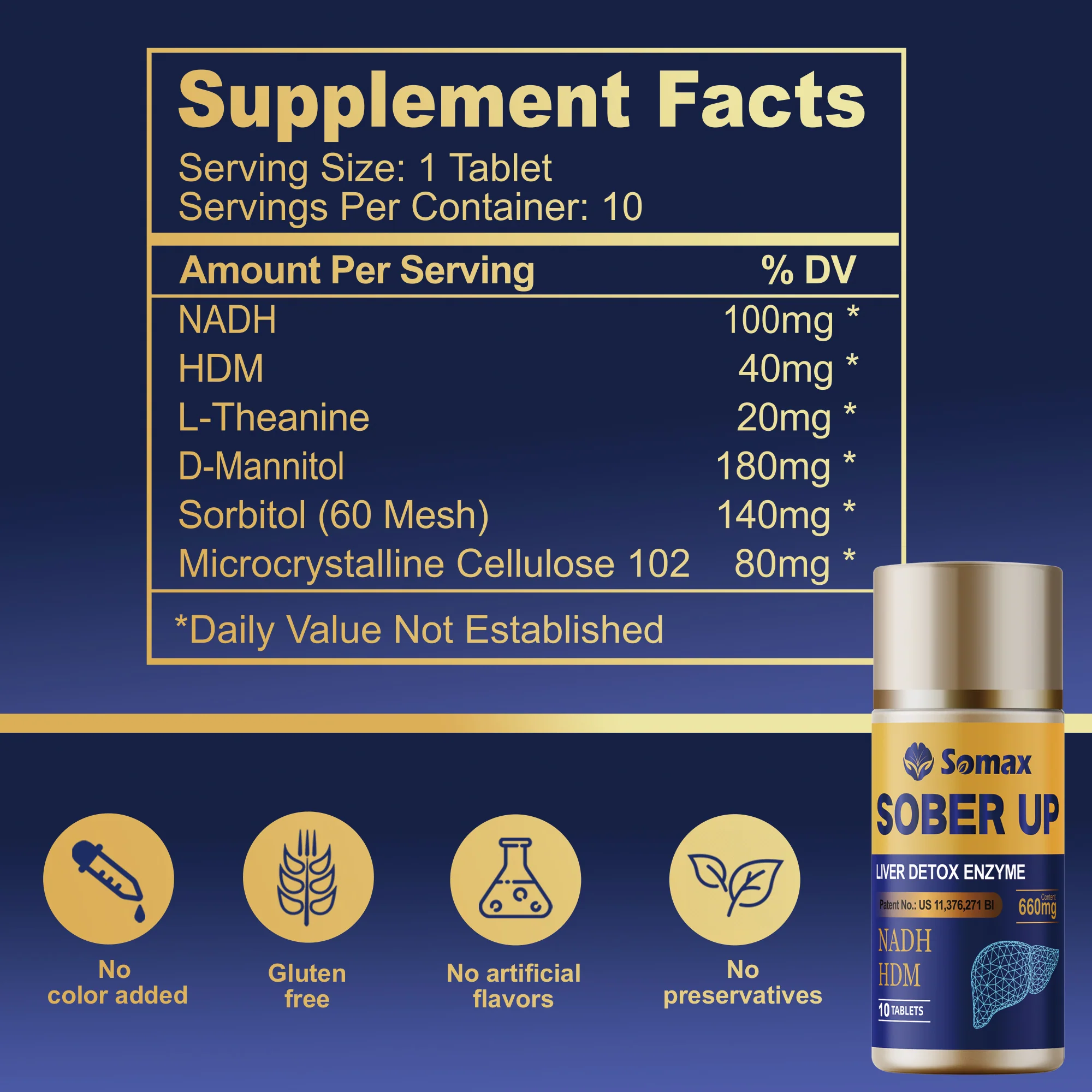
Now that we understand the complex mechanisms of alcohol metabolism, it becomes clear that truly effective "hangover recovery" cannot be achieved by a single ingredient — it requires multi-target, multi-pathway synergistic support. PureNutraHubs' two patented products were developed based on exactly this principle:
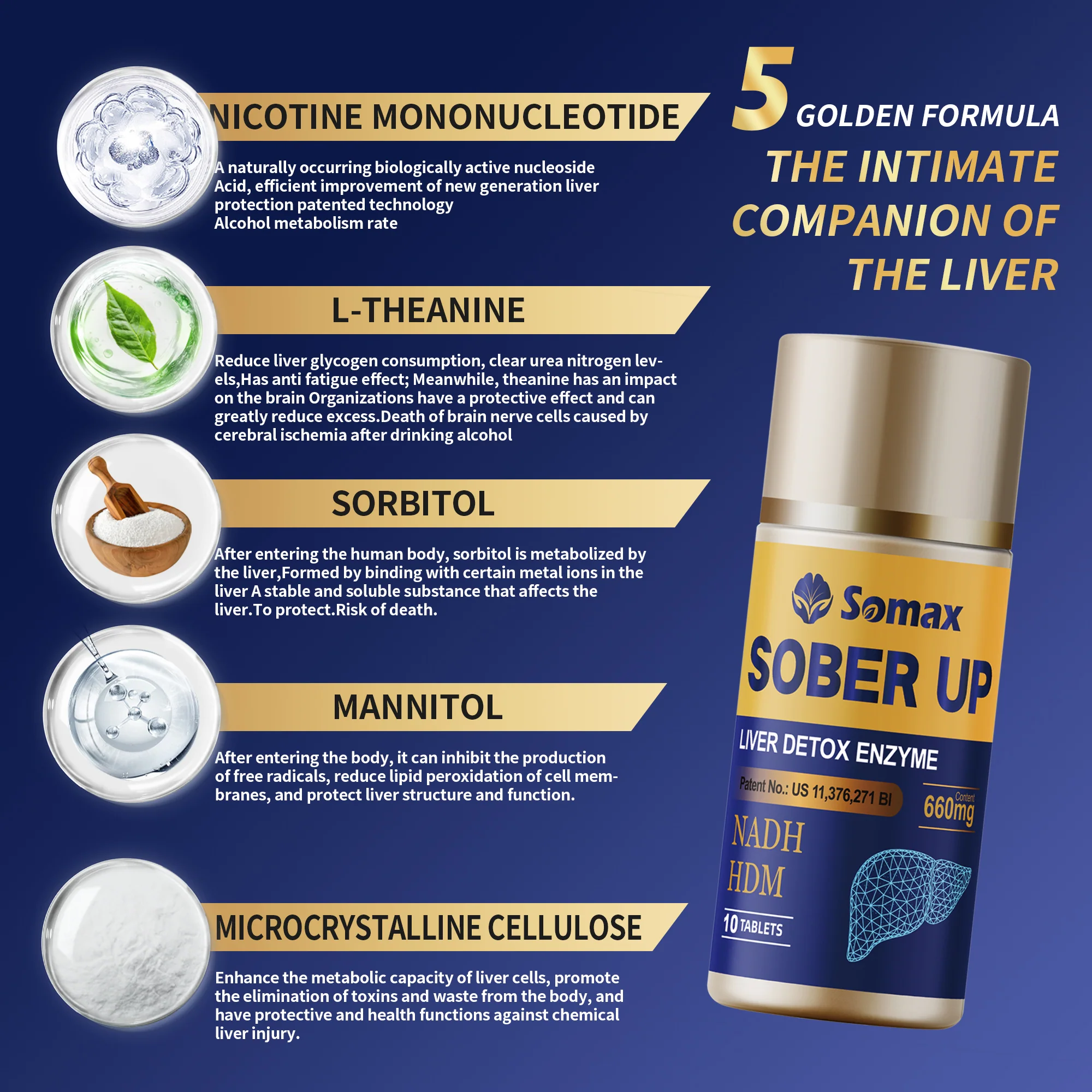
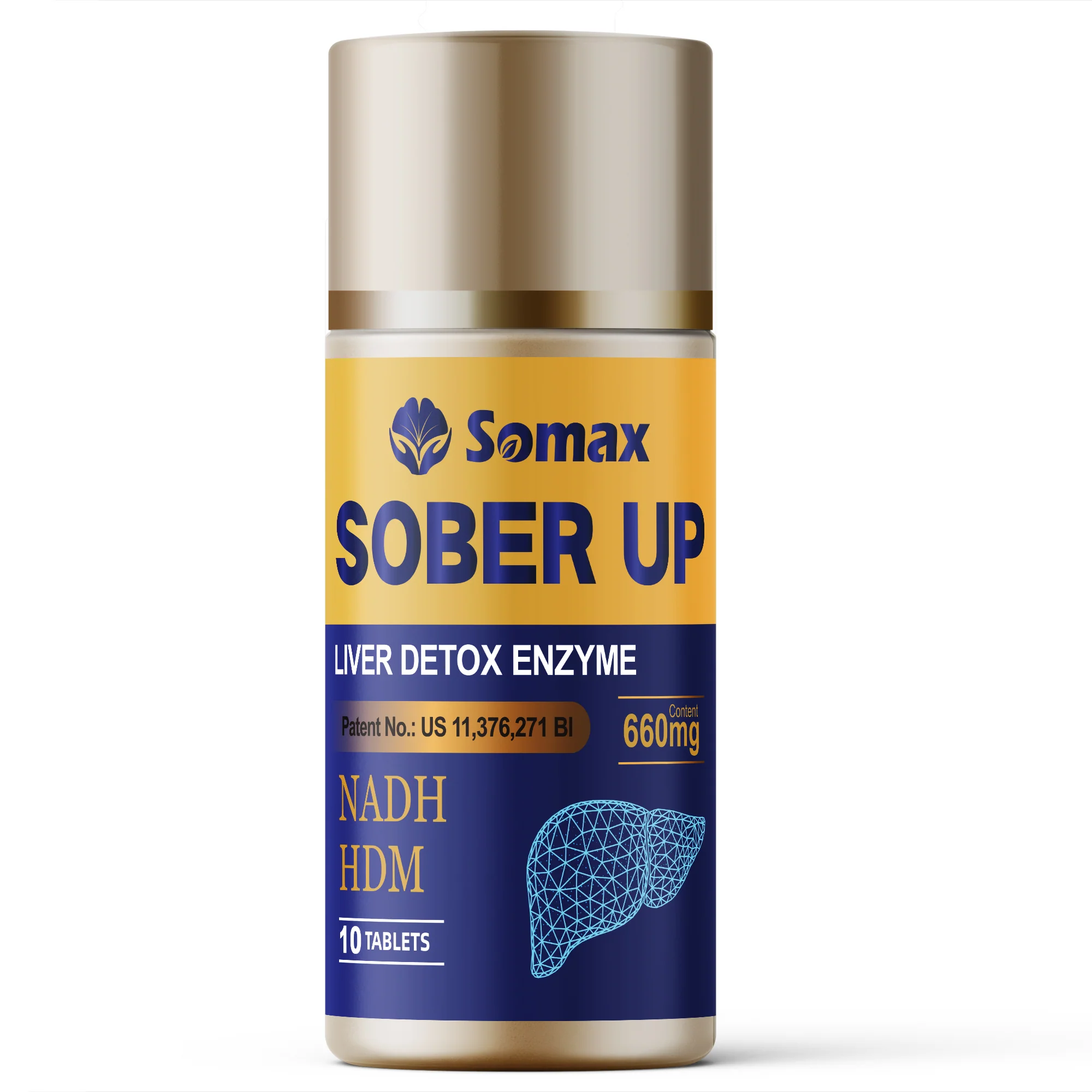
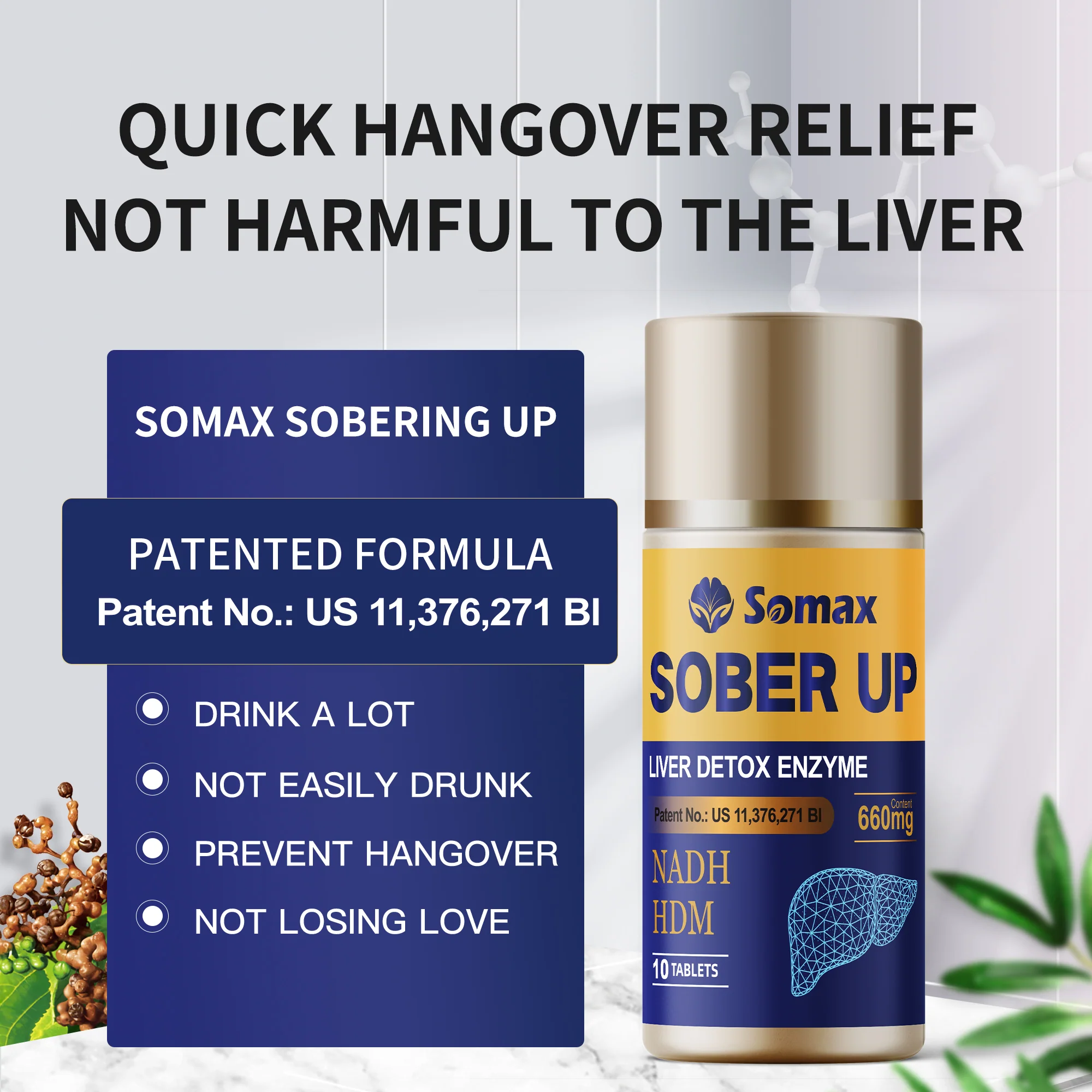
🏆 Somax Sober Up Liver Enzyme
US Patent No.: US 11,376,271 B1
Somax Sober Up is a patented alcohol metabolism support product with core ingredients including NADH (reduced Nicotinamide Adenine Dinucleotide), Silymarin, Curcumin Extract, and B Vitamin Complex. The patented formula provides synergistic support across three critical stages of alcohol metabolism: accelerating acetaldehyde clearance (NADH + B vitamins), protecting liver cells (Silymarin + Curcumin), and restoring NAD+ balance (NADH + B3).
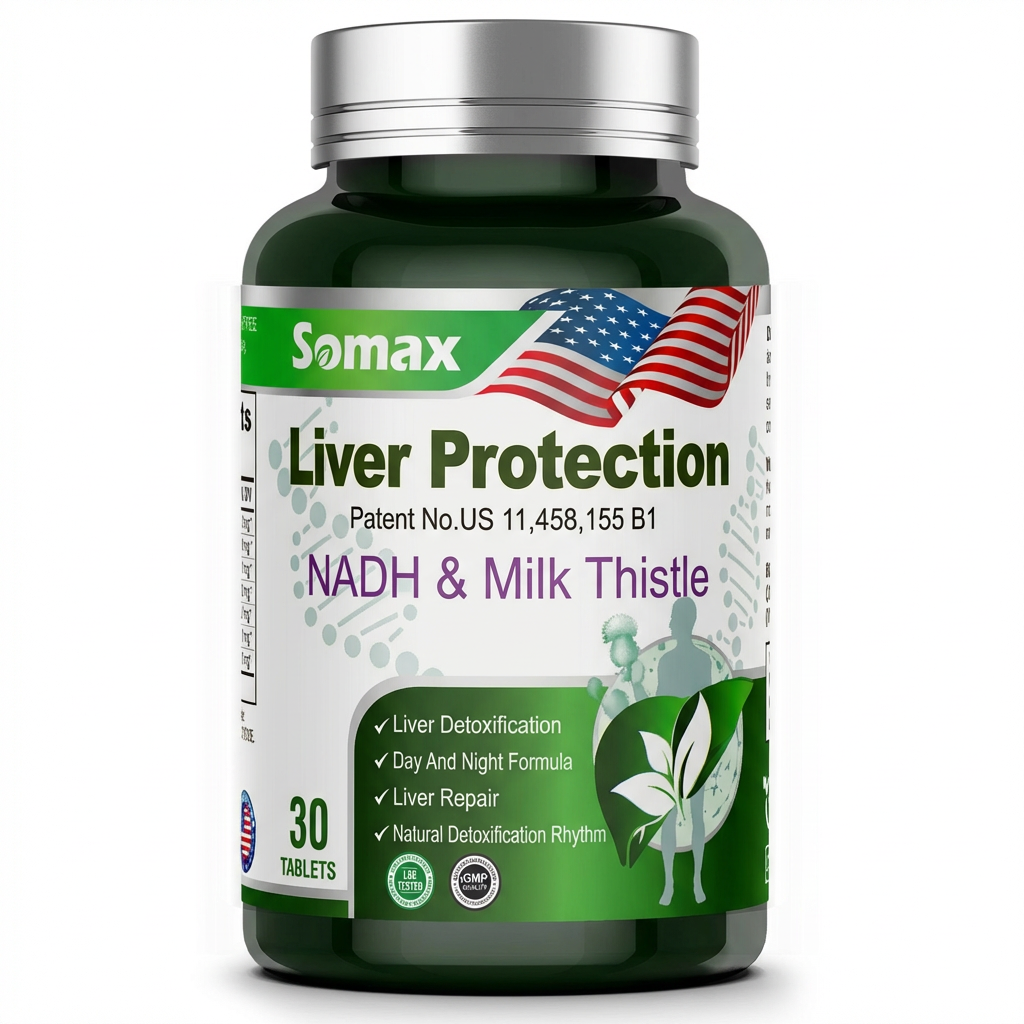
💚 Somax Liver Protection
US Patent No.: US 11,458,155 B1
Somax Liver Protection focuses on long-term liver protection and repair support, ideal as a daily liver supplement for those who frequently engage in social drinking. The formula features high-concentration Silibinin processed with proprietary technology for significantly enhanced bioavailability. Combined with Curcumin, Artichoke Extract, and antioxidant minerals, it provides comprehensive daily liver defense.
9. Special Recommendations for ALDH2-Deficient Individuals
If you carry the ALDH2*2 mutation (the simplest way to tell: you flush after drinking), the following advice is especially important:
Strictly Limit Alcohol Intake
ALDH2-deficient individuals should not exceed 1 standard drink per session. Your body's acetaldehyde clearance capacity is only 20-30% of normal — even small amounts of alcohol produce significant acetaldehyde exposure
Pre-Drinking Preparation Is Essential
For ALDH2-deficient individuals, pre-drinking nutritional preparation is not a "bonus" — it's a necessity. Supplement with NADH and B vitamins beforehand to help your body prepare for the incoming metabolic stress
Daily Liver Care Is a Must
Since each drinking episode causes more severe acetaldehyde exposure, ALDH2-deficient individuals face higher cumulative liver damage risk. Daily liver nutrition supplementation is the core of any long-term protection strategy
Double Your Hydration
Acetaldehyde accumulation intensifies vasodilation and fluid loss; ALDH2-deficient individuals typically experience more severe dehydration after drinking and need more aggressive fluid replacement
"For individuals carrying the ALDH2*2 mutation, 'drinking less' is always more important than 'how to cure a hangover.' But in social situations where drinking cannot be entirely avoided, a science-based nutritional support strategy can significantly reduce the biological damage from each drinking episode." — Stanford University School of Medicine, ALDH2 Research Group
Conclusion: Enjoy Social Life, But Know How to Protect Yourself
Social drinking is part of modern life, and complete avoidance isn't always realistic. But understanding the science of alcohol metabolism allows us to enjoy social occasions while minimizing bodily harm. From personalized awareness of your ALDH2 gene status, to deeper understanding of NAD+/NADH metabolic pathways, to precisely targeted nutrition with silymarin, curcumin, and B vitamins — scientific preparation at every stage builds a robust protective network for your liver and overall health.
Remember: the best "hangover cure" is moderate drinking, and the smartest drinkers are those who know how to balance socializing with health.
📌 Key Takeaways
- Alcohol metabolism follows three steps: Ethanol→Acetaldehyde (ADH)→Acetate (ALDH2)→CO₂+H₂O, with acetaldehyde being the most toxic intermediate
- 36-50% of East Asians carry the ALDH2*2 gene mutation, severely impairing acetaldehyde clearance and increasing health risks from drinking
- Each molecule of ethanol metabolized consumes two molecules of NAD+, disrupting liver energy metabolism, fat metabolism, and blood sugar regulation
- Silymarin protects the liver through four mechanisms: antioxidant defense, cell membrane stabilization, repair promotion, and anti-fibrotic action
- B vitamins (especially B1, B3, B6) are the first nutrients depleted after drinking — timely supplementation is critical for recovery
- A scientific recovery strategy has three phases: pre-drinking preparation, concurrent protection, and post-drinking systematic recovery
📚 References
- Brooks, P.J. & Zakhari, S. "Acetaldehyde and the genome: Beyond nuclear DNA adducts and carcinogenesis." Environmental and Molecular Mutagenesis, 55(2), 77-91, 2014.
- Chen, C.H. et al. "ALDH2 variance and disease associations: A review." Disease Models & Mechanisms, 15(6), dmm049601, 2022.
- Abenavoli, L. et al. "Milk thistle (Silybum marianum): A concise overview on its chemistry, pharmacological, and nutraceutical uses in liver diseases." Phytotherapy Research, 32(11), 2202-2213, 2018.
- Pall, M.L. & Levine, S. "Nrf2, a master regulator of detoxification and also antioxidant, anti-inflammatory and other cytoprotective mechanisms." Acta Physiologica Sinica, 67(1), 1-18, 2015.
- Cederbaum, A.I. "Alcohol metabolism." Clinics in Liver Disease, 16(4), 667-685, 2012.
- Hewlings, S.J. & Kalman, D.S. "Curcumin: A review of its effects on human health." Foods, 6(10), 92, 2017.
- Yokoyama, A. et al. "Alcohol-related cancers and aldehyde dehydrogenase-2 in Japanese alcoholics." Carcinogenesis, 19(8), 1383-1387, 1998.