When you think back to your own childhood, the most vivid memories probably involve running in the sunshine on a playground. But what about today's children? Their daily lives are being redefined by glowing screens — online classes, cartoons, tablet games, social media. Global childhood myopia rates are climbing at alarming speeds. In East Asia, adolescent myopia rates exceed 80%, and in the United States, childhood myopia has doubled over the past 30 years. As parents, we can't completely eliminate screens, but we can start with nutrition management to build a strong internal defense for our children's eyes.
Children in the digital age encounter electronic screens from preschool onward — eye nutrition management has never been more urgent
1. Childhood Myopia: A Global "Epidemic"
The World Health Organization (WHO) has classified myopia as a major global public health concern. Over the past decades, childhood and adolescent myopia rates have surged worldwide, particularly in East Asia. This isn't merely a vision problem — high myopia (above -6.00 diopters) significantly increases the lifetime risk of retinal detachment, glaucoma, and macular degeneration.
Behind these numbers are hundreds of millions of children experiencing irreversible axial eye growth. Once myopia develops, it cannot be reversed — it can only be slowed through scientific intervention. Therefore, prevention is always better than correction — and nutrition management is a key component of the prevention system that many parents overlook.
2. The Unique Vulnerability of Children's Eyes
Many parents assume blue light affects children and adults equally — the reality is far different. Children's eyes are in a rapid development phase, and their structural characteristics make them significantly more vulnerable to screen light damage than adults.
👀 Higher Lens Transparency
Children's crystalline lenses are more transparent and clear than adults', with weaker blue light filtering capability. Research shows that children under 10 allow approximately 70% of blue light to penetrate to the retina, compared to only 20-50% in adults. This means for the same hour of tablet use, a child's retina may absorb 1.5-3x the blue light load of an adult's.
🌱 Eyes Still Growing
The human eye isn't adult-sized at birth. A newborn's axial length is approximately 16mm, growing to about 24mm by adulthood. During this process, near-work, screen blue light stimulation, and other factors can cause excessive axial elongation — every additional 1mm adds approximately 3 diopters (-3.00D) of myopia. Once the eye is "stretched," it cannot shrink back.
💡 Macular Pigment Not Yet Fully Developed
Lutein and Zeaxanthin in the macular area serve as the eye's natural "blue light filter." However, children's macular pigment density is lower than adults', meaning their protection is relatively insufficient. This leaves the retinal center — the area responsible for the sharpest vision — more susceptible to photo-oxidative damage.
⚠ Critical Facts Every Parent Must Know
- Children's lenses transmit 50%-200% more blue light than adults' — same screen time causes greater damage
- Ages 5-18 represent the critical window for axial eye growth and the golden period for myopia intervention
- Children have lower macular pigment density and need adequate Lutein from diet to compensate
- The younger myopia begins, the higher the risk of progressing to high myopia
3. Eye Protection Priorities by Age Group (5-18)
Children at different ages face different eye development stages and visual challenges. Parents should develop targeted eye protection strategies based on age-specific characteristics.
| Age Group | Eye Development Stage | Primary Risks | Protection Focus |
|---|---|---|---|
| 5-7 years | Hyperopic reserve gradually depleting, rapid axial growth | Insufficient hyperopic reserve may trigger early myopia | Strictly limit screen time, ensure outdoor activity, supplement DHA for retinal development |
| 8-12 years | Peak myopia onset window, accelerating axial growth | Increasing homework + screen time, myopia incidence surges | Dual supplementation of Lutein + DHA, 2 hours daily outdoor time, regular vision checks |
| 13-15 years | Rapid myopia progression, may increase 0.75-1.00D per year | Academic pressure, frequent phone use, fastest myopia progression | Intensify nutritional support, control near-work duration, rest every 40 minutes |
| 16-18 years | Eye development stabilizing but progression still possible | Cumulative high myopia risk, extreme study-related eye strain | Maintain nutritional supplementation, develop lifelong healthy eye habits, prevent high myopia complications |
Particularly noteworthy is the concept of hyperopic reserve: young children are naturally somewhat farsighted, which serves as a normal "reserve." If a child's hyperopic reserve is depleted before age 6 (below +0.50D), myopia onset becomes virtually inevitable. Regular professional refractive examinations to monitor the rate of hyperopic reserve depletion is a key early warning measure.
4. DHA: The "Building Material" for Retinal Development
If the eye is a precision optical instrument, the retina is its most critical photosensitive chip. And DHA (Docosahexaenoic Acid) is the indispensable structural material for this "chip."
🧠 The Deep Connection Between DHA and the Retina
The retina is one of the tissues with the highest DHA concentration in the human body. In the outer segment disc membranes of retinal photoreceptor cells, DHA accounts for over 50% of all fatty acids. This high proportion of DHA maintains cell membrane fluidity and flexibility, directly influencing the conformational change speed of photopigments (rhodopsin) — in other words, DHA determines how efficiently and sensitively the eye "captures light."
Membrane Fluidity
DHA's polyunsaturated structure gives retinal cell membranes exceptional fluidity, enabling rhodopsin to rapidly complete photo-chemical conversion
Anti-Inflammatory Protection
DHA is metabolized in the body to produce Neuroprotectin D1, which has powerful anti-inflammatory and neuroprotective effects, safeguarding retinal cells
Visual Neural Development
DHA is simultaneously a key nutrient for brain and visual nervous system development, influencing the efficiency of visual signal transmission from eye to brain
Childhood is the critical window for retinal DHA accumulation. From the fetal period through age 6, retinal DHA concentration continuously rises. Insufficient DHA intake during this stage may lead to incomplete photoreceptor development, increasing the risk of future visual problems. Multiple studies confirm that infants fed breast milk or DHA-fortified formula show superior visual acuity development compared to non-DHA-supplemented controls.
🍇 Food Sources of DHA
Fatty fish are the richest dietary source of DHA: salmon (approximately 2g DHA+EPA per 100g), sardines, mackerel, and tuna. For children who don't enjoy fish, algal oil DHA supplements are a safe and effective alternative. The American Academy of Pediatrics recommends children eat fish at least twice per week.
5. Lutein: Nature's "Blue Light Shield" for Children's Eyes
Lutein and Zeaxanthin are the two carotenoids that form macular pigment. Like a golden light filter, they blanket the surface of the retinal macula, capable of absorbing up to 90% of harmful blue light while scavenging free radicals produced by photo-oxidation reactions.
Dark-colored berries like blueberries and blackberries are rich in anthocyanins and Vitamin C — excellent choices for children's eye-healthy diets
Why Children Need Lutein Even More
As mentioned earlier, children's lenses are highly transparent with blue light penetration rates far exceeding adults'. In this context, macular pigment becomes the retina's last line of defense against blue light. However, the human body cannot synthesize Lutein or Zeaxanthin on its own — they must come entirely from dietary sources.
Concerning is that modern children's diets often lack Lutein-rich foods. Dark green vegetables (spinach, kale, broccoli) contain the highest Lutein levels, yet these are precisely the foods many children refuse to eat. Research shows American children's daily Lutein intake is only 0.5-1mg — far below levels needed for macular protection.
- Absorbs blue light energy — The molecular structure of Lutein and Zeaxanthin selectively absorbs high-energy blue light in the 415-460nm wavelength range, converting it to harmless heat, thereby protecting underlying photoreceptor cells and retinal pigment epithelium.
- Scavenges free radicals — Blue light exposure generates reactive oxygen species (ROS) in the retina. Lutein's powerful antioxidant capacity neutralizes these harmful molecules, reducing cumulative oxidative damage.
- Improves contrast sensitivity — Adequate macular pigment density reduces light scatter and chromatic aberration, helping eyes see more clearly under varying light conditions — especially important for children learning to read.
- Long-term neuroprotection — Lutein is also found in the brain, with positive correlations to children's cognitive function, learning ability, and attention span — making it a "brain-and-eye" nutrient.
6. Vitamin A: Guardian of Night Vision
Vitamin A plays an irreplaceable role in visual function. The retina's photopigment — rhodopsin — is composed of opsin protein and 11-cis-retinal (the active form of Vitamin A). Every time light activates rhodopsin, a new Vitamin A molecule is needed to complete the "visual cycle" regeneration.
🌞 Vitamin A and Night Vision
When a child walks from bright outdoors into a dimmer indoor space, it takes some time before they can "see clearly" — this process is called dark adaptation. The speed and quality of dark adaptation directly depends on rhodopsin regeneration efficiency, and the key raw material for rhodopsin regeneration is Vitamin A. Vitamin A deficiency is the leading cause of night blindness in children globally — even mild deficiency significantly prolongs dark adaptation time.
Vitamin A also helps maintain normal function of corneal epithelial cells and conjunctival goblet cells. Deficiency reduces mucin secretion in tears, causing corneal dryness and opacity, and in severe cases can progress to keratomalacia — still a leading cause of childhood blindness in developing countries.
| Nutrient | Core Eye Health Function | Recommended for Children | Best Food Sources |
|---|---|---|---|
| DHA | Retinal structural component, photoreceptor function foundation | 100-250mg/day | Salmon, sardines, algal oil |
| Lutein | Blue light filtering, macular antioxidant protection | 5-10mg/day | Spinach, kale, egg yolks |
| Zeaxanthin | Central fovea protection | 1-2mg/day | Goji berries, orange peppers, corn |
| Vitamin A | Rhodopsin synthesis, dark adaptation | 400-600mcg RAE/day | Carrots, sweet potatoes, liver, egg yolks |
| Vitamin C | Lens antioxidant, collagen synthesis | 25-75mg/day | Kiwi, oranges, strawberries, bell peppers |
| Anthocyanins | Improve retinal microcirculation, relieve eye fatigue | Adequate amounts from food | Blueberries, blackberries, purple cabbage |
| Zinc | Retinal metabolism cofactor, Vitamin A transport | 5-10mg/day | Oysters, beef, pumpkin seeds |
7. Eye-Healthy Meal Ideas: Integrating Nutrition into Daily Meals
The ideal source of eye-healthy nutrition is always a balanced daily diet. Here's a scientifically curated list of eye-healthy foods for children that parents can flexibly incorporate into everyday meals.
Dark Vegetables
Spinach (Lutein champion at 12mg per 100g), kale, broccoli, peas. Try veggie omelets or green smoothies to help picky eaters get their greens
Eggs
Egg yolks contain Lutein, Zeaxanthin, Vitamin A, and Zinc simultaneously, all with excellent bioavailability. 1-2 eggs daily is the "all-around champion" for children's eye nutrition
Fatty Fish
Salmon, mackerel, sardines are rich in DHA. Serving fish 2-3 times per week, about 100g each time, meets children's DHA needs. Baked fish and fish porridge are kid-friendly preparations
Berries
Blueberries, blackberries, and mulberries are rich in anthocyanins and Vitamin C. Excellent as snacks, yogurt toppings, or smoothie ingredients — universally loved by children
Orange Vegetables & Fruits
Carrots, sweet potatoes, and pumpkin are rich in beta-carotene (converted to Vitamin A in the body). Baked sweet potato fries and pumpkin soup are excellent winter eye-health foods
Colorful Fruits
Kiwi, oranges, and strawberries provide abundant Vitamin C for lens antioxidant protection. Encourage children to eat 2+ different colored fruits daily
A colorful diet isn't just visually appealing — it means more comprehensive nutrient coverage
- Add eye-healthy elements to breakfast — A boiled egg + a handful of blueberries + a glass of milk provides Lutein, anthocyanins, and Vitamin A in three simple items
- Emphasize dark vegetables at lunch — Spinach scrambled eggs, broccoli with chicken breast, pumpkin soup with whole wheat bread
- Schedule fish for dinner — 2-3 fish dinners per week: pan-seared salmon, steamed sea bass, tomato fish soup
- Choose berries and nuts for snacks — Blueberries, strawberries, walnuts, and almonds instead of chips and candy
- Beverage choices — Carrot-apple juice and blueberry yogurt smoothies instead of sugary drinks
8. Screen Time Management: AAP Guidelines
Nutritional supplementation is the "internal defense," while screen time management is the "external control." The American Academy of Pediatrics (AAP), based on extensive research, has issued screen time recommendations for different age groups that are widely adopted by pediatricians worldwide.
🔴 Under 18 Months
Aside from video calls, screen use should be completely avoided. During this stage, infants' brains and visual systems are in their most critical development period, needing interaction with the real world to build neural connections.
🟠 18 Months to 5 Years
Screen time should be limited to no more than 1 hour per day, with high-quality educational content, parental co-viewing, and interactive discussion. Avoid all screens within 1 hour before bedtime.
🔵 Ages 6 and Older
Establish clear family rules and consistent limits for screen time. Ensure screen use doesn't displace adequate sleep (9-12 hours), physical activity (at least 1 hour daily), and other health-promoting behaviors.
- Create a family media plan — Discuss and establish screen use rules as a family, including permitted times, duration limits, and screen-free zones (dining table, bedrooms).
- Establish "screen-free zones" — Keep electronic devices out of bedrooms and dining areas. Research shows children with screens in their bedrooms average one extra hour of daily screen time.
- Lead by example — Parents' own screen habits profoundly influence children. Put your phone down during family time and model a healthy digital lifestyle through action.
- Substitute with quality content — When screen time is necessary, prioritize interactive educational content (like science exploration apps) over passive short-video scrolling.
- Practice the 20-20-20 rule — Every 20 minutes of screen use, look at something 20 feet (6 meters) away for 20 seconds. Help children develop the habit of regular distance-gazing breaks.
9. Two Hours Outdoors Daily: The Most Powerful Myopia "Vaccine"
Among all known myopia prevention strategies, outdoor activity has the strongest and most consistent research support. Multiple large-scale randomized controlled trials and longitudinal cohort studies confirm: at least 2 hours of daily outdoor activity can significantly reduce both the incidence and progression rate of childhood myopia.
🌞 The Science Behind Outdoor Myopia Prevention
- Light intensity hypothesis — Outdoor natural light typically measures 10,000-100,000 lux, far exceeding indoor levels of 100-500 lux. High-intensity light stimulates the retina to release dopamine, which inhibits excessive axial eye growth
- Spectral composition — Sunlight's full spectrum (especially UV and red light components) positively regulates emmetropization — something indoor lighting cannot replicate
- Distance vision relaxation — Outdoor environments provide ample viewing distances, allowing the ciliary muscle to relax and reducing the accommodation burden from near-work
- Pupil constriction effect — Bright light causes pupil constriction, increasing depth of field and reducing retinal blur — helping suppress axial elongation signals
The Guangzhou "Sunshine Sports Trial" (He et al., JAMA 2015) is one of the most influential studies in this field: tracking 1,903 children aged 6-7 across 12 elementary schools over 3 years, the intervention group added 40 minutes of daily outdoor activity. After 3 years, myopia incidence was 23% lower than the control group. Australia's Sydney Myopia Study reached similar conclusions: children with over 2 hours of daily outdoor activity had approximately 60% lower myopia risk.
Two hours of daily outdoor time doesn't require vigorous exercise — walking, biking, and playing at the park all count
✅ Practical Tips: How to Ensure 2 Hours Outdoors Daily
The 2 hours don't need to be consecutive — split them up: 20 minutes walking to school, 30 minutes of outdoor recess, 40 minutes at the park after school, weekend family outdoor activities. The key is light exposure, not exercise itself — even reading under a tree provides protection as long as you're in natural outdoor light. Overcast outdoor illuminance (approximately 5,000-10,000 lux) is still far greater than indoors.
10. Somax Eye Protection Lutein: Eye Nutrition for the Whole Family
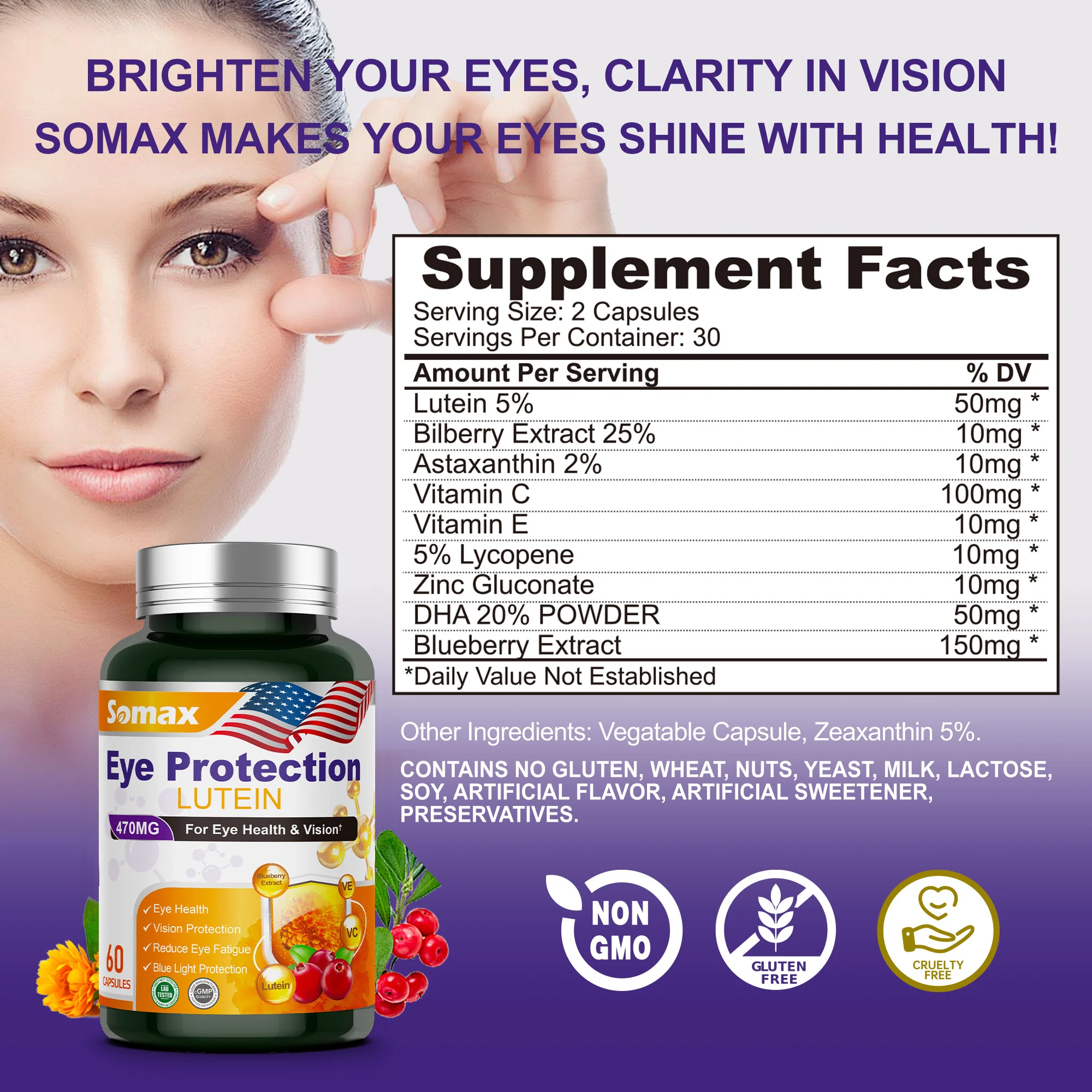
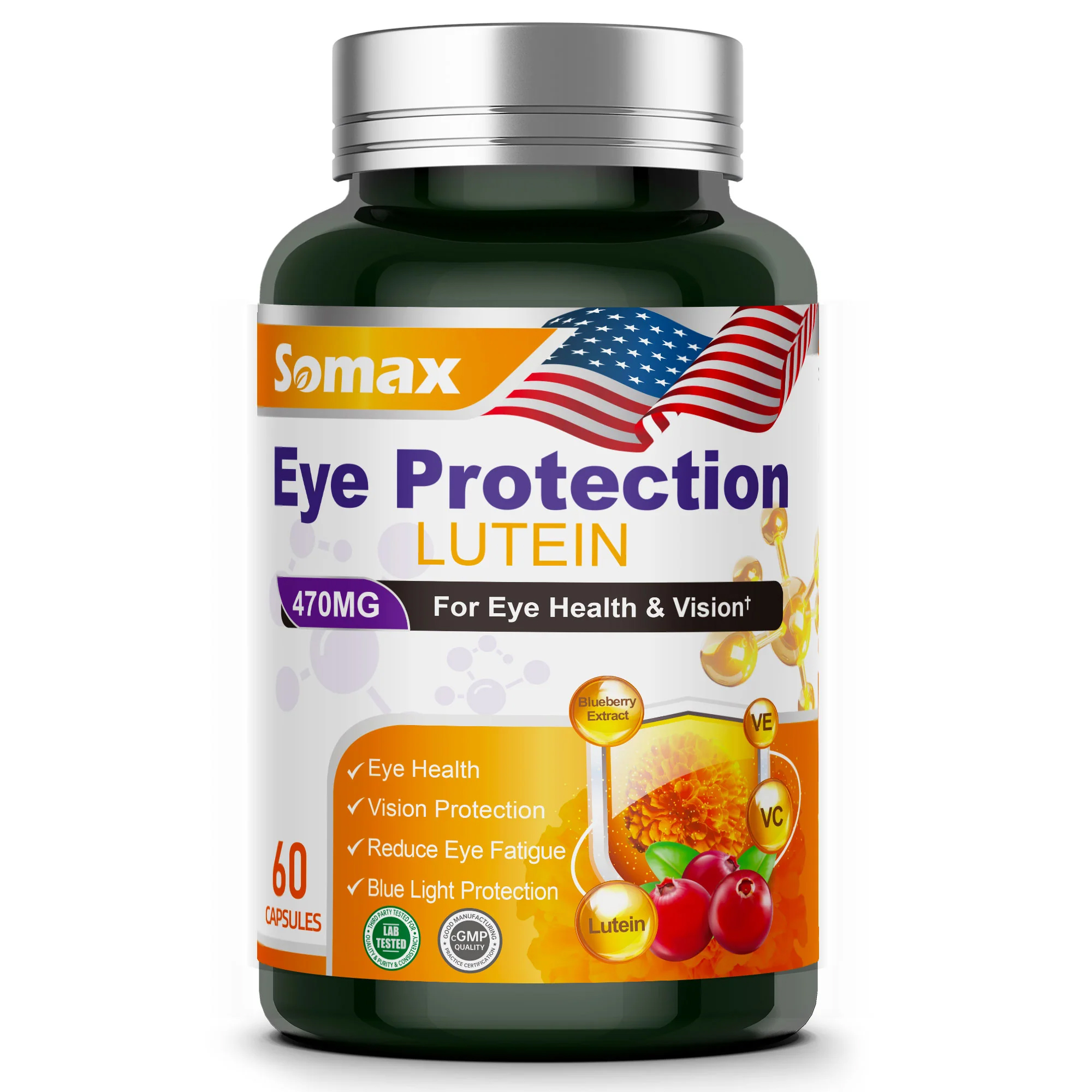
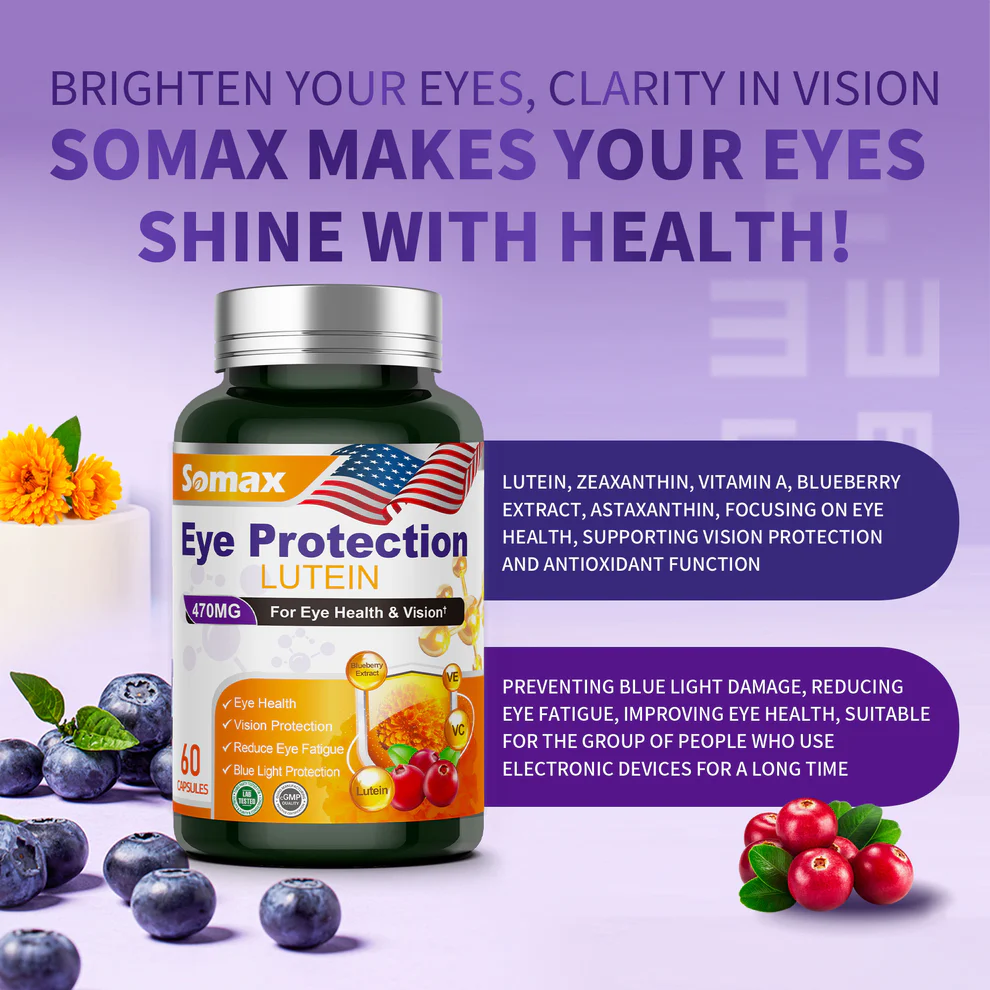
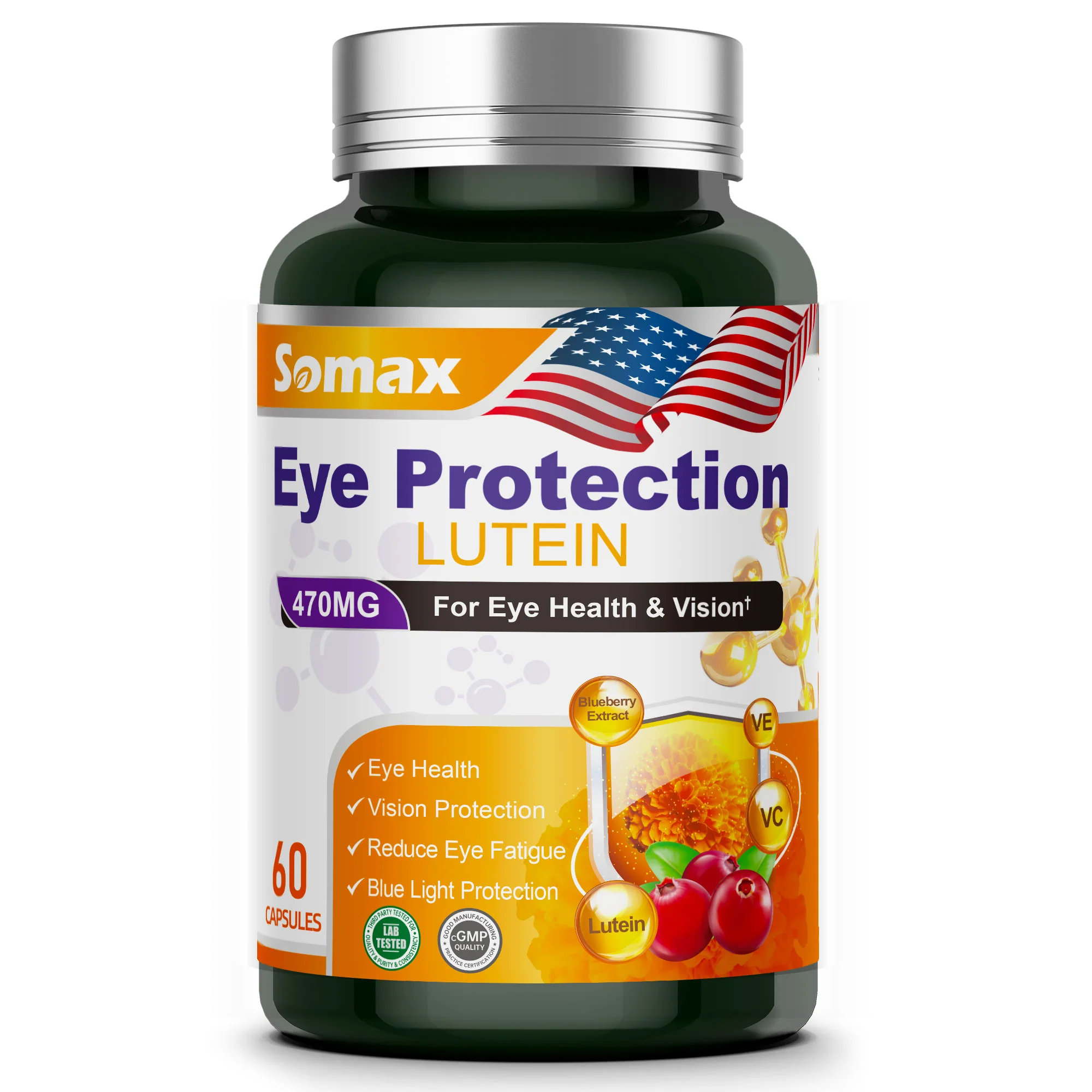
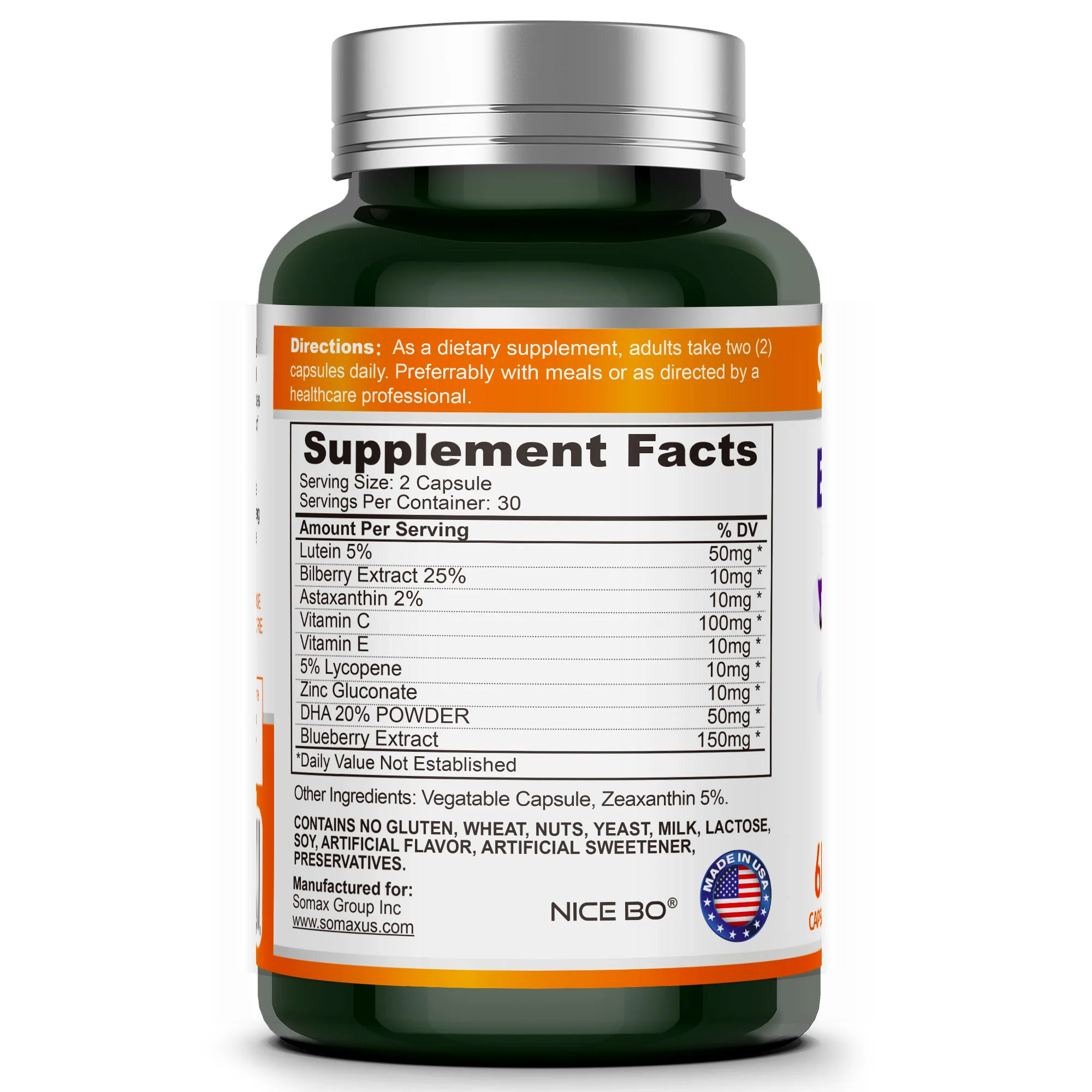
When children's daily diet can't provide adequate eye-healthy nutrients, scientific supplementation becomes an important complementary strategy. PureNutraHubs' Somax Eye Protection Lutein formula features an enhanced ratio of Lutein 20mg + Zeaxanthin 4mg, combined with Bilberry extract, DHA, and Vitamin A, forming a complete nutritional matrix from blue light filtering to retinal repair.
🏆 Why Somax Eye Protection Lutein Works for the Whole Family
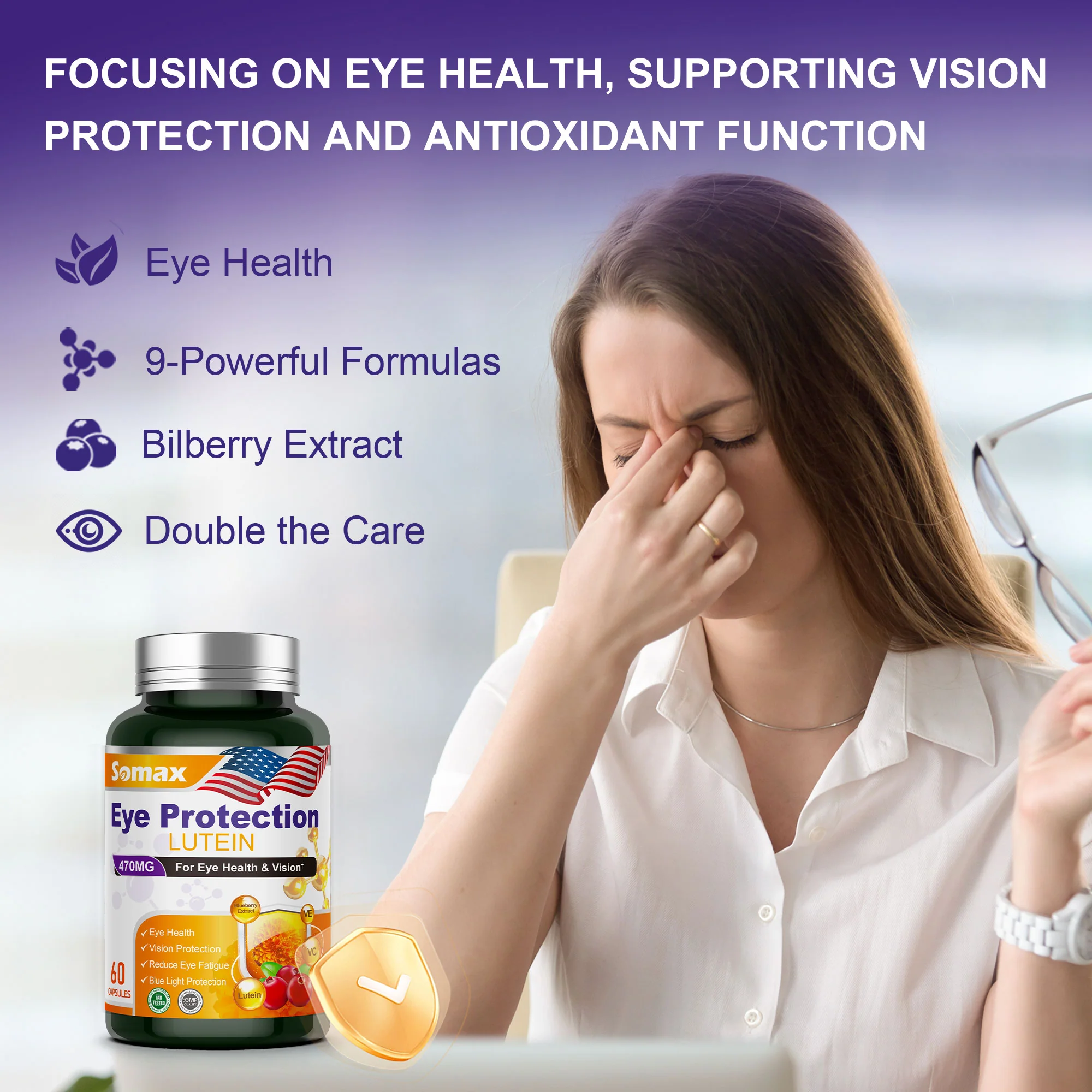
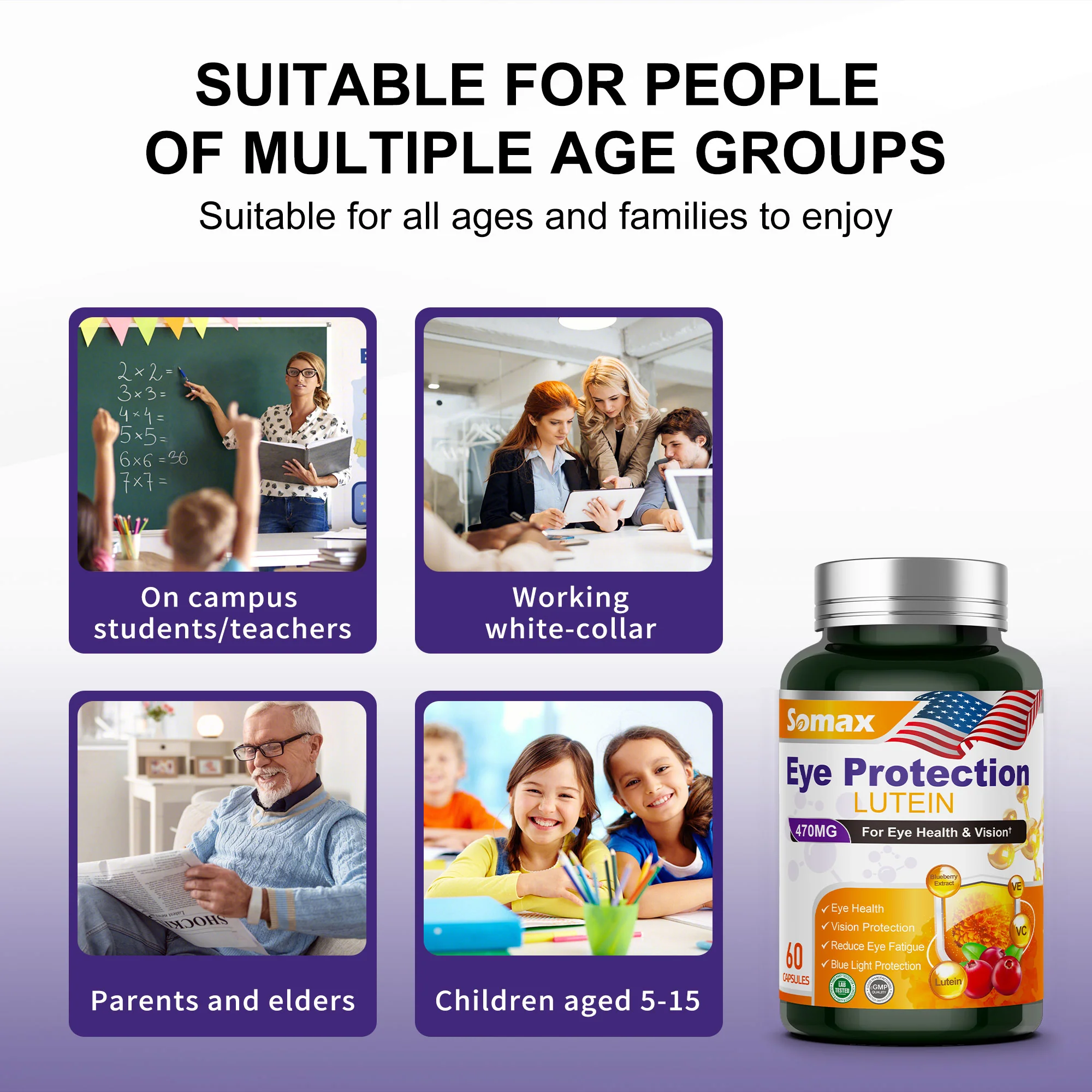
The Somax Eye Protection Lutein formula covers core eye health needs for both children and adults: Lutein and Zeaxanthin provide blue light defense and macular protection; DHA supports retinal structural integrity and neural transmission; Vitamin A ensures night vision and corneal health; Bilberry extract anthocyanins improve retinal microcirculation. From school-age children to screen-heavy working parents, one formula delivers comprehensive eye nutrition support for the entire family. View Product Details →
"Protecting children's vision isn't something any single measure can solve on its own. It requires the synergistic action of nutrition, behavior, and environment. Adequate outdoor time, reasonable screen management, and key nutrient supplementation — all three are indispensable." — Editorial commentary, Investigative Ophthalmology & Visual Science, 2023
Conclusion: Protecting Eyes Is Protecting the Future
Every pair of childhood eyes carries decades of future sight. In an era where screens are omnipresent, the shadow of myopia is descending on children worldwide at an unprecedented scale. The good news is that science has charted a clear path forward: adequate outdoor light exposure, reasonable screen management, and key eye nutrition supplementation — working together, these three can effectively slow or even prevent myopia onset and progression.
DHA builds the retina's structural foundation, Lutein raises the macular blue light shield, and Vitamin A keeps the visual cycle running efficiently. These nutrients aren't luxuries — they're necessities for children's visual development. Starting today, add an extra serving of dark green vegetables, another portion of fatty fish, and a handful of blueberries to the table — you're depositing precious "vision savings" into your child's eye health account.
📌 Key Takeaways
- Global childhood myopia is surging — East Asian adolescent rates exceed 80%; prevention starts with nutrition management
- Children's lenses transmit 50%-200% more blue light than adults', with immature macular pigment requiring extra nutritional protection
- DHA comprises over 50% of retinal fatty acids — the foundational material for photoreceptor structure and function
- Lutein is the eye's natural blue light filter, but children's dietary intake is generally insufficient and needs conscious supplementation
- AAP recommends: under 6 — no more than 1 hour of daily screen time; 6 and older — establish clear, consistent limits
- 2 hours of daily outdoor activity reduces myopia incidence by 23%-60% — the most effective myopia prevention strategy
- Eye protection = Nutritional internal defense + Screen management + Outdoor activity — all three synergize, none can be missing
📚 References
- Holden, B.A. et al. "Global prevalence of myopia and high myopia and temporal trends from 2000 through 2050." Ophthalmology, 123(5), 1036-1042, 2016.
- He, M. et al. "Effect of time spent outdoors at school on the development of myopia among children in China: a randomized clinical trial." JAMA, 314(11), 1142-1148, 2015.
- SanGiovanni, J.P. & Chew, E.Y. "The role of omega-3 long-chain polyunsaturated fatty acids in health and disease of the retina." Progress in Retinal and Eye Research, 24(1), 87-138, 2005.
- American Academy of Pediatrics. "Media and Young Minds." Pediatrics, 138(5), e20162591, 2016.
- Hammond, B.R. et al. "Effects of lutein/zeaxanthin supplementation on the cognitive function of community dwelling older adults." Nutrients, 9(9), 972, 2017.
- Rose, K.A. et al. "Outdoor activity reduces the prevalence of myopia in children." Ophthalmology, 115(8), 1279-1285, 2008.
- Bernstein, P.S. et al. "Lutein, zeaxanthin, and meso-zeaxanthin: The basic and clinical science underlying carotenoid-based nutritional interventions against ocular disease." Progress in Retinal and Eye Research, 50, 34-66, 2016.