Scrolling your phone past 1 AM, racing against project deadlines all week, unwinding with friends over drinks on the weekend — this is the reality for countless modern adults. What you may not realize is that these seemingly ordinary habits are launching a "silent attack" on your body's most critical metabolic organ — the liver. Unlike the heart, the liver doesn't sound alarms with pain. It often endures significant damage before showing any symptoms, earning it the medical nickname "the silent organ."
Weighing about 1.5 kg (3.3 lbs), the liver is the body's largest solid organ, performing over 500 known metabolic functions
1. The Liver: Your Body's Busiest "Chemical Factory"
Most people's understanding of the liver is limited to "processing alcohol" and "detoxification," but this barely scratches the surface. The liver is the body's largest internal organ, weighing 1.2-1.5 kg, and processes up to 2,000 liters of blood daily. It participates in over 500 metabolic functions, touching virtually every aspect of human physiology.
Detoxification & Metabolism
Breaks down alcohol, drugs, environmental toxins, and metabolic waste. The cytochrome P450 enzyme system in liver cells is your body's most powerful "detox assembly line"
Bile Secretion
Produces 800-1000ml of bile daily for fat emulsification and absorption of fat-soluble vitamins (A, D, E, K)
Protein Synthesis
Synthesizes albumin, clotting factors, and other critical proteins. Approximately 90% of blood proteins are manufactured by the liver
Energy Storage & Distribution
Converts glucose to glycogen for storage and rapidly releases it when blood sugar drops, maintaining whole-body energy balance
Immune Defense
Kupffer cells in the liver form the body's largest population of resident macrophages, responsible for clearing bacteria and foreign particles from the blood
Hormone Regulation
Metabolizes and inactivates estrogen, testosterone, cortisol, thyroid hormones, and more — maintaining endocrine system balance
📚 The Liver's Remarkable Regenerative Ability
The liver is the only organ in the human body capable of self-regeneration — even after 70% removal, it can regrow to its original size within weeks under healthy conditions. However, this regenerative capacity is not unlimited. When sustained damage outpaces repair, the liver progressively moves from fatty change to fibrosis to cirrhosis, potentially losing its ability to recover entirely. The key is: don't wait until regenerative capacity is exhausted before starting to protect your liver.
2. Three Modern Lifestyle Threats to Your Liver
Before industrialization, the liver's main challenges came from infectious diseases (like hepatitis viruses). Today, lifestyle-related liver damage has become the leading cause of liver disease worldwide. The following three modern habits are quietly eroding your liver through different mechanisms.
Threat 1: Late Nights — Disrupting the Liver's Repair Cycle
The liver's autophagy repair mechanism is most active between 11 PM and 3 AM — chronic late nights directly interfere with this process
Modern medical research has confirmed that the liver's autophagy — the process by which cells self-clean damaged components — follows a distinct circadian rhythm, peaking during deep sleep at night. This process is crucial for clearing damaged mitochondria, misfolded proteins, and accumulated lipids.
Chronic sleep deprivation (less than 6 hours or falling asleep after 1 AM) leads to the following consequences:
- Disrupted autophagy rhythm — Liver cells cannot complete their "self-cleaning cycle" at the optimal time, causing damaged organelles and metabolic waste to accumulate, triggering increased oxidative stress.
- Suppressed melatonin secretion — Melatonin is not just a "sleep hormone" — it also has liver-protective antioxidant properties. Nighttime exposure to blue light (phones, computer screens) significantly suppresses normal melatonin production.
- Disrupted fat metabolism — A 2022 study in the Journal of Hepatology found that individuals who stay up late 3+ nights per week have 29% higher liver fat content than those with regular sleep patterns, significantly increasing non-alcoholic fatty liver disease (NAFLD) risk.
- Abnormal glycogen regulation — Circadian disruption causes the liver to release or store glycogen at inappropriate times, increasing insulin resistance risk.
Threat 2: Chronic Stress — The Metabolic Cost of Sustained Cortisol
When facing work pressure, financial anxiety, or relationship tension, your adrenal glands continuously release cortisol. Short-term cortisol elevation is a normal stress response, but modern society keeps many people in a state of chronic low-level stress — where cortisol never truly returns to baseline.
This "never-ending stress hormone" inflicts multiple blows on the liver:
⚠ Four Ways Cortisol Damages the Liver
1. Promotes liver fat accumulation: Cortisol activates lipogenic enzymes (like SREBP-1c), driving the liver to convert more carbohydrates into triglycerides for storage, directly increasing fatty liver risk.
2. Worsens insulin resistance: Sustained high cortisol reduces liver cell insulin sensitivity, impairing blood sugar regulation and creating a vicious cycle of "high blood sugar → high insulin → fat accumulation."
3. Increases oxidative stress: Cortisol metabolism itself produces reactive oxygen species (ROS). Chronically elevated cortisol means the liver must handle additional oxidative waste on top of its normal detoxification duties.
4. Inhibits liver regeneration: Under chronic stress, liver cell proliferation and repair rates slow significantly, weakening the liver's self-recovery capacity.
Threat 3: Alcohol — The Most Direct Liver Cell Toxin
Alcohol (ethanol) damage to the liver is the most direct and well-established. When you drink, approximately 90% of alcohol must be metabolized in the liver through a two-step reaction:
| Step | Reaction Process | Resulting Harm |
|---|---|---|
| Step 1 | Ethanol → Acetaldehyde (catalyzed by ADH) | Acetaldehyde is highly cytotoxic, directly damaging liver cell DNA and proteins |
| Step 2 | Acetaldehyde → Acetate (catalyzed by ALDH) | ~36% of East Asians have ALDH2 mutations making this step extremely inefficient, causing acetaldehyde to linger longer |
| Side Effect | Massive NAD+ coenzyme consumption | NAD+/NADH ratio imbalance inhibits fatty acid oxidation, promoting fat deposition in the liver |
Notably, approximately 36% of East Asian populations carry the ALDH2 gene variant (the so-called "Asian flush gene"), resulting in significantly slower acetaldehyde metabolism. This means the same amount of alcohol poses a higher liver damage risk for Asian individuals. Facial flushing after drinking isn't a sign of being a "good drinker" — it's your liver signaling "I can't handle this."
"The WHO has clearly stated that there is no 'safe level' of alcohol consumption. For individuals carrying the ALDH2 variant, alcohol-related liver damage starts at a lower threshold and progresses faster." — The Lancet, Global Burden of Disease Study, 2024
3. Fatty Liver: The Modern "Liver Epidemic"
The three threats above — late nights, stress, and alcohol — all converge on an increasingly common liver condition: fatty liver disease. Non-alcoholic fatty liver disease (NAFLD) has become the most prevalent chronic liver disease globally, affecting approximately 25-30% of the adult population worldwide.
What makes fatty liver disease alarming is its silent progression. From simple steatosis to non-alcoholic steatohepatitis (NASH), then to fibrosis and cirrhosis — each stage can occur without obvious symptoms. By the time jaundice or ascites appear, liver damage is often already severe.
⚠ Four Stages of Fatty Liver Disease
Stage 1 - Simple Steatosis: Liver cell fat content exceeds 5%, typically asymptomatic and reversible.
Stage 2 - Steatohepatitis (NASH): Fat accumulation triggers inflammatory response, liver cells begin to sustain damage.
Stage 3 - Fibrosis: Persistent inflammation leads to scar tissue formation, liver function starts declining.
Stage 4 - Cirrhosis: Extensive scar tissue replaces normal liver tissue, severely impaired function, difficult to reverse.
The good news: in the first two stages, fatty liver is completely reversible. Scientific lifestyle adjustments combined with targeted nutritional support can help the liver restore normal fat metabolism. This is precisely why "early intervention" matters far more than "waiting for symptoms to appear."
4. Science-Backed Liver Protection: Four Key Nutrients
Based on extensive clinical research and evidence-based medicine, the following four natural nutrients are recognized for their significant liver-protective and restorative effects:
1. Silymarin (Milk Thistle Extract) — The "Gold Standard" of Liver Protection
Silymarin is a flavonolignan mixture extracted from Milk Thistle (Silybum marianum) seeds, with its primary active component being Silybin (Silibinin). In Europe, silymarin has been used as a liver protectant for over 2,000 years and is the most extensively researched botanical liver-support ingredient.
✅ Silymarin's Four Liver Protection Mechanisms
Antioxidant Protection: Scavenges free radicals and enhances glutathione (GSH) synthesis, protecting liver cell membranes from oxidative damage. Research shows its antioxidant capacity is 10x stronger than Vitamin E.
Anti-inflammatory Action: Inhibits the NF-kB signaling pathway, reducing expression of pro-inflammatory factors like TNF-a and IL-6, alleviating liver inflammation.
Liver Cell Regeneration: Stimulates RNA Polymerase I activity in liver cells, accelerating protein synthesis and promoting repair and regeneration of damaged cells.
Anti-fibrotic: Inhibits hepatic stellate cell activation and collagen deposition, slowing or even reversing early liver fibrosis.
2. NADH & NAD+ — Core Coenzymes for Cellular Energy Repair
NAD+ (Nicotinamide Adenine Dinucleotide) is the core coenzyme for liver cell energy metabolism, participating in over 500 enzymatic reactions. During alcohol metabolism, large amounts of NAD+ are consumed and converted to NADH, causing severe NAD+/NADH ratio imbalance — a key molecular mechanism of alcoholic liver injury.
Supplementing with NADH (the reduced form of NAD+) supports liver health on multiple levels:
- Restores energy metabolism balance: NADH directly participates in the mitochondrial electron transport chain, with each molecule generating ~2.5 ATP, providing ample energy for liver cell repair
- Activates Sirtuin longevity proteins: NAD+ is an essential cofactor for the Sirtuin protein family (especially SIRT1 and SIRT3), which play critical roles in regulating liver fat metabolism, anti-inflammatory responses, and cellular autophagy
- Enhances detoxification capacity: NAD+-dependent enzyme systems participate in Phase I and Phase II detoxification reactions — when NAD+ is sufficient, liver detox efficiency improves significantly
- Counteracts alcohol metabolism damage: NADH supplementation helps alleviate NAD+ depletion from alcohol metabolism, reducing acetaldehyde toxicity to liver cells
3. Curcumin — Nature's Anti-inflammatory & Antioxidant Star
Curcumin is the primary active polyphenolic compound from turmeric root, backed by over 12,000 peer-reviewed research papers confirming its anti-inflammatory, antioxidant, and liver-protective properties.
| Action | Mechanism | Clinical Evidence |
|---|---|---|
| Anti-inflammatory | Inhibits COX-2, LOX, and NF-kB inflammatory pathways | NAFLD patients showed significant ALT reduction after 8 weeks of curcumin (RCT, 2019) |
| Antioxidant | Direct free radical scavenging + Nrf2 pathway upregulation for endogenous antioxidant enhancement | Increases SOD and GSH-Px activity, reduces MDA levels |
| Lipid-lowering | Regulates AMPK and PPAR-a pathways, promoting hepatic fatty acid oxidation | Meta-analysis shows effective reduction of liver fat content |
| Anti-fibrotic | Inhibits TGF-b1 signaling, reducing hepatic stellate cell activation | Significantly slowed fibrosis progression in animal models |
4. Artichoke Extract (Cynara scolymus) — Bile Secretion & Lipid Metabolism
The active compounds in artichoke extract — Cynarin and Chlorogenic acid — have been proven to promote bile secretion, improve fat digestion, and lower blood lipid levels. In Germany, artichoke extract is officially approved as a botanical medicine for digestive support and hepatobiliary function.
🌿 Artichoke's Three Liver Benefits
Choleretic action: Cynarin stimulates bile secretion by 20-40%, promoting cholesterol excretion through bile and reducing the liver's fat metabolism burden.
Antioxidant protection: Chlorogenic acid and flavonoids provide potent antioxidant protection, reducing free radical damage to liver cells.
Lipid-lowering: Clinical studies show artichoke extract can reduce total cholesterol by 4.2-18.5% and LDL cholesterol by 8-22.9%.
From late nights to alcohol, modern lifestyle pressures compound on the liver — science-based care requires systematic nutritional support
5. Somax Liver Protection: US-Patented Formula with Scientific Backing
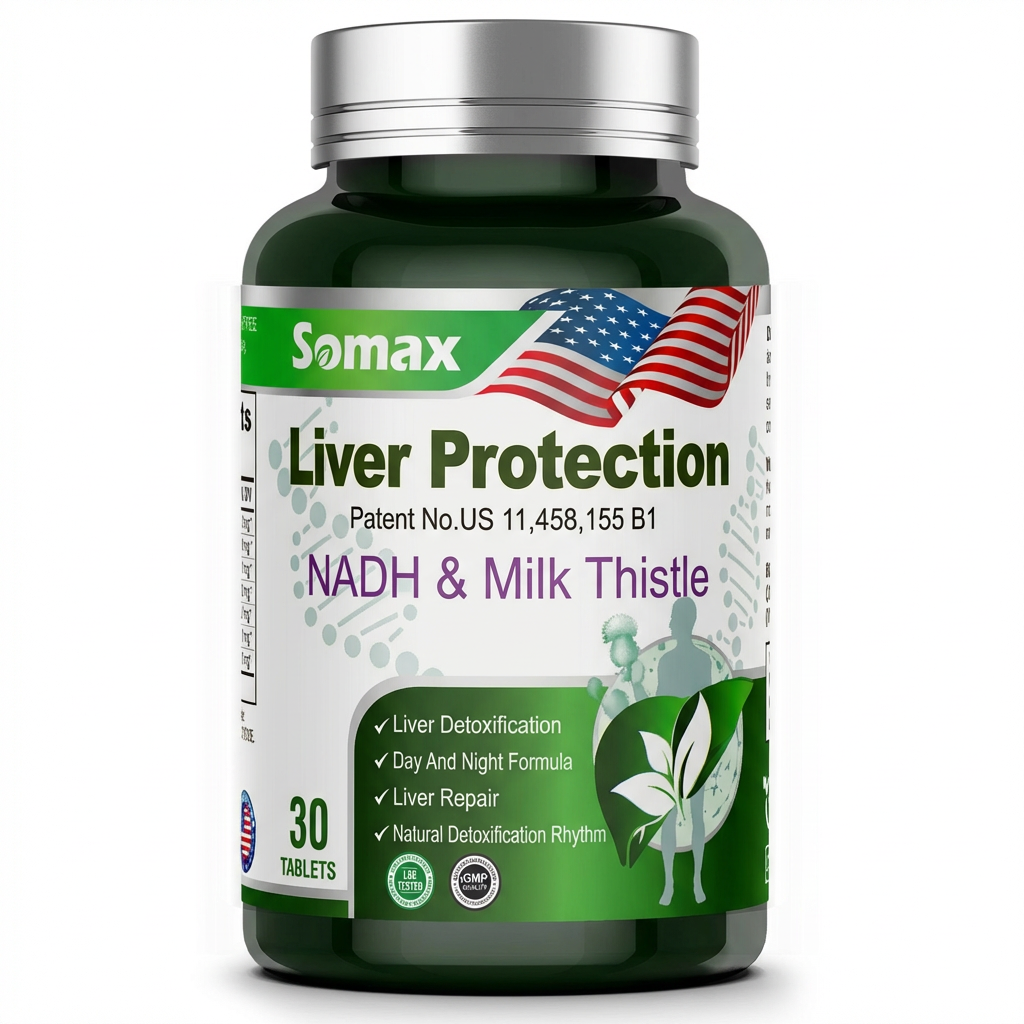
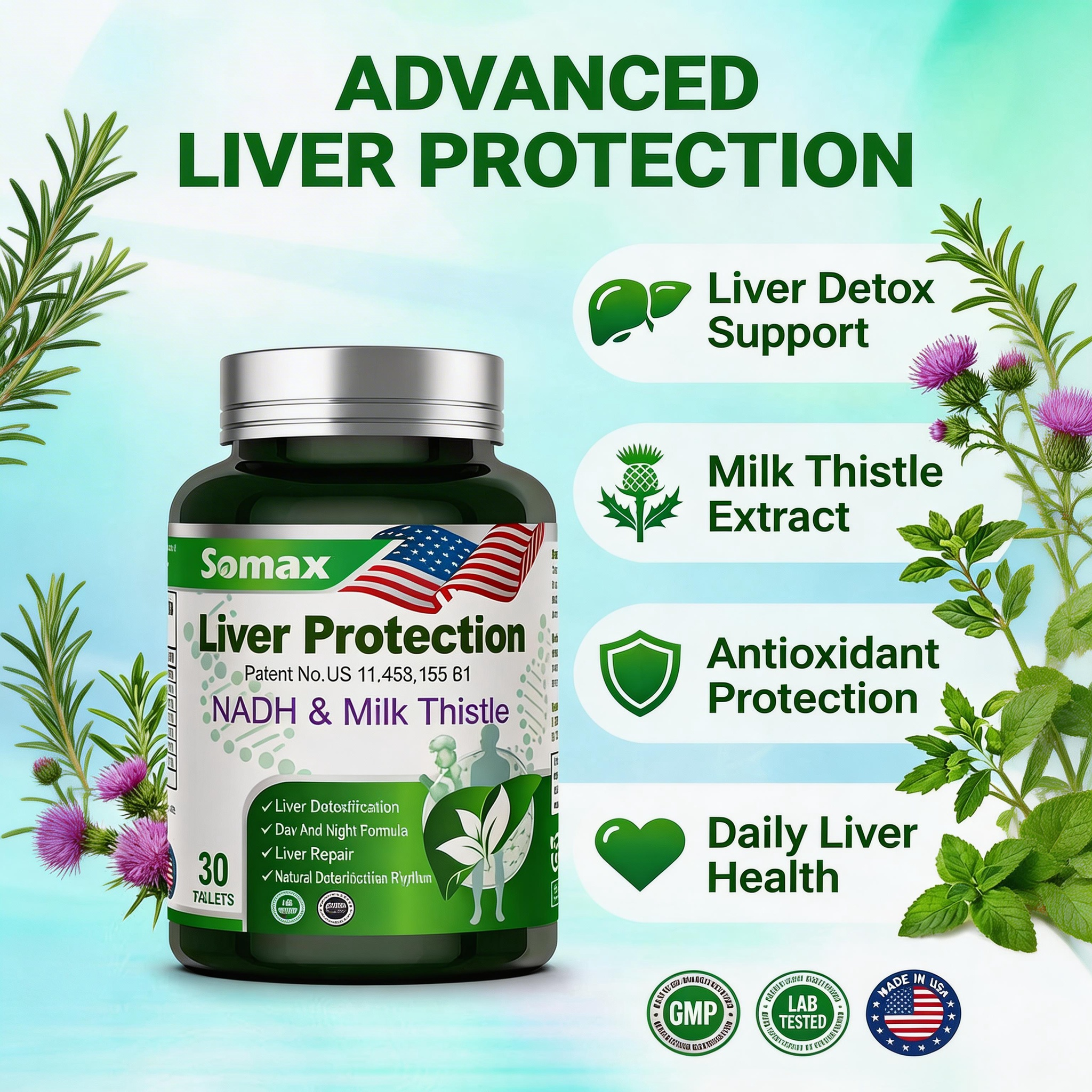
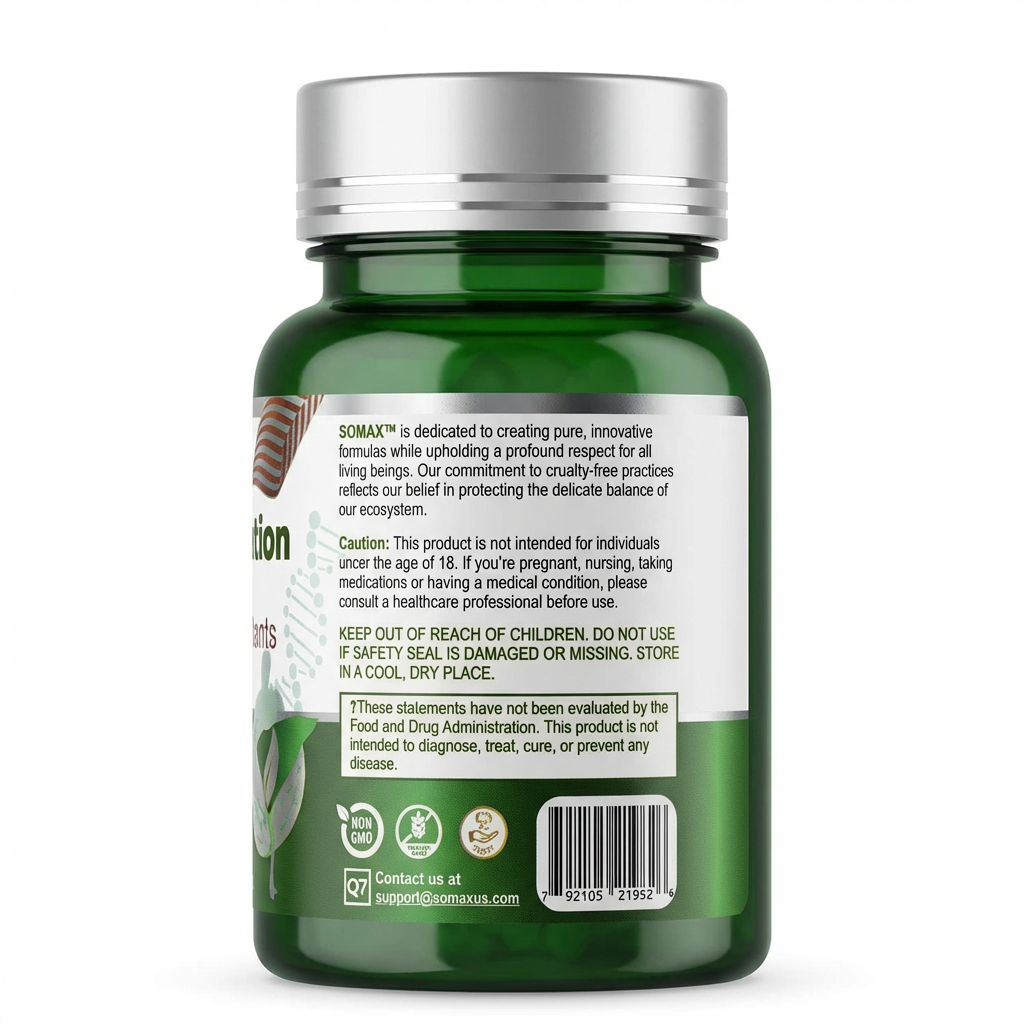
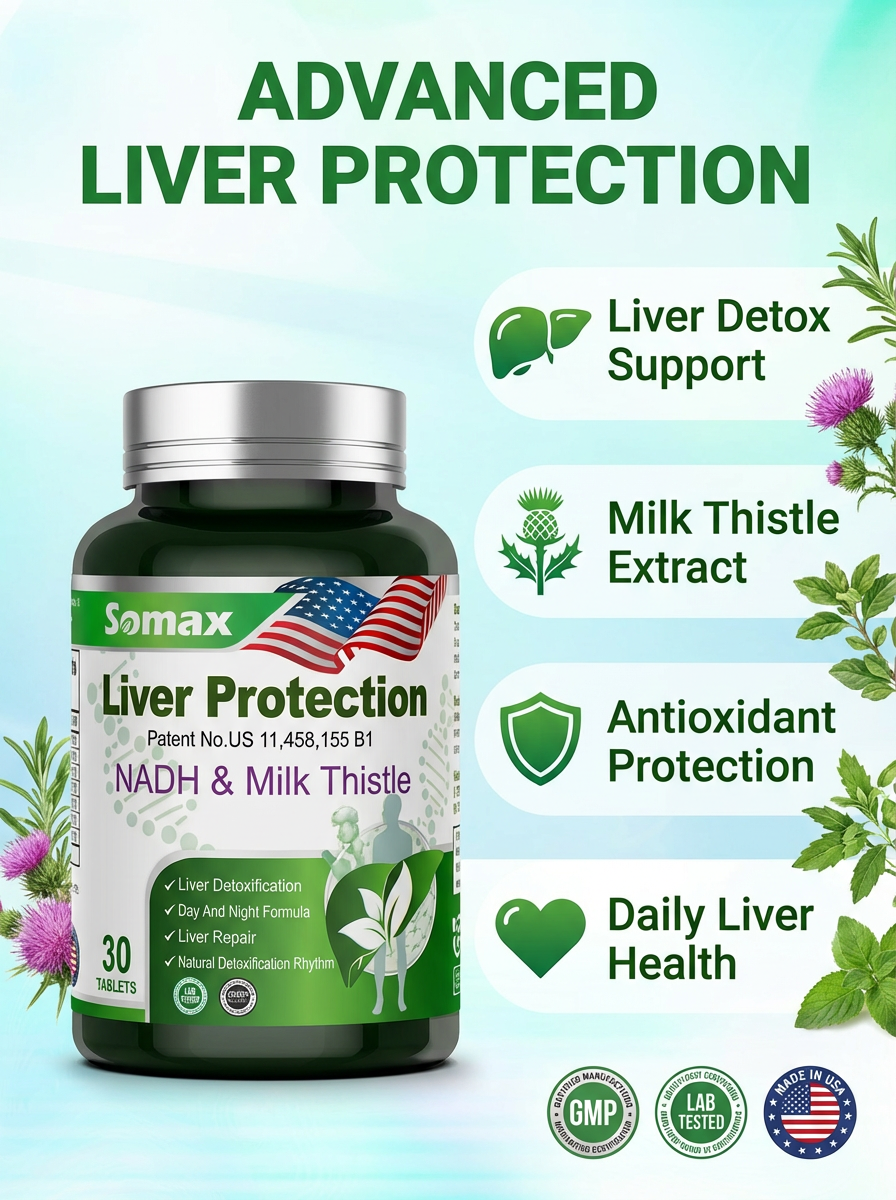
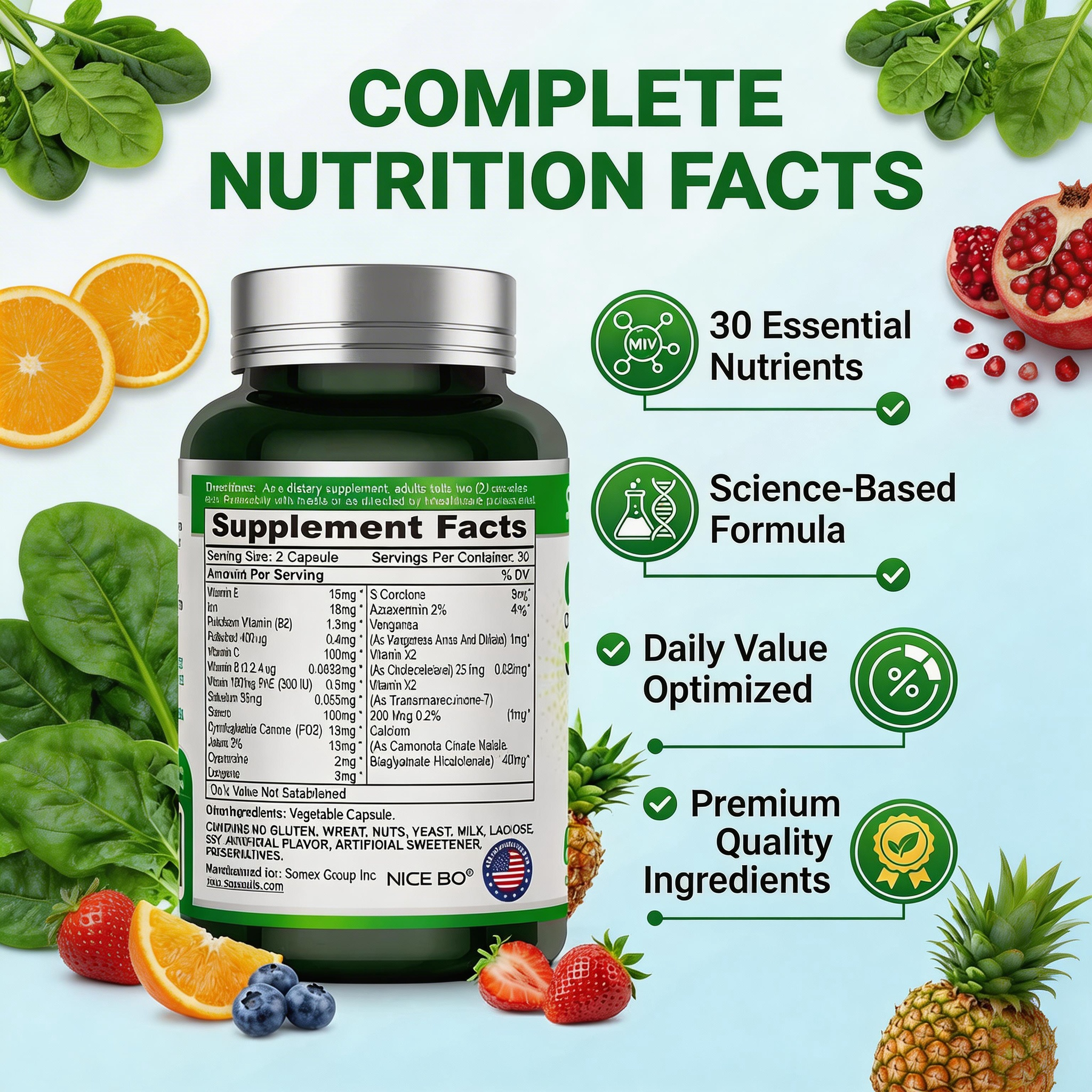
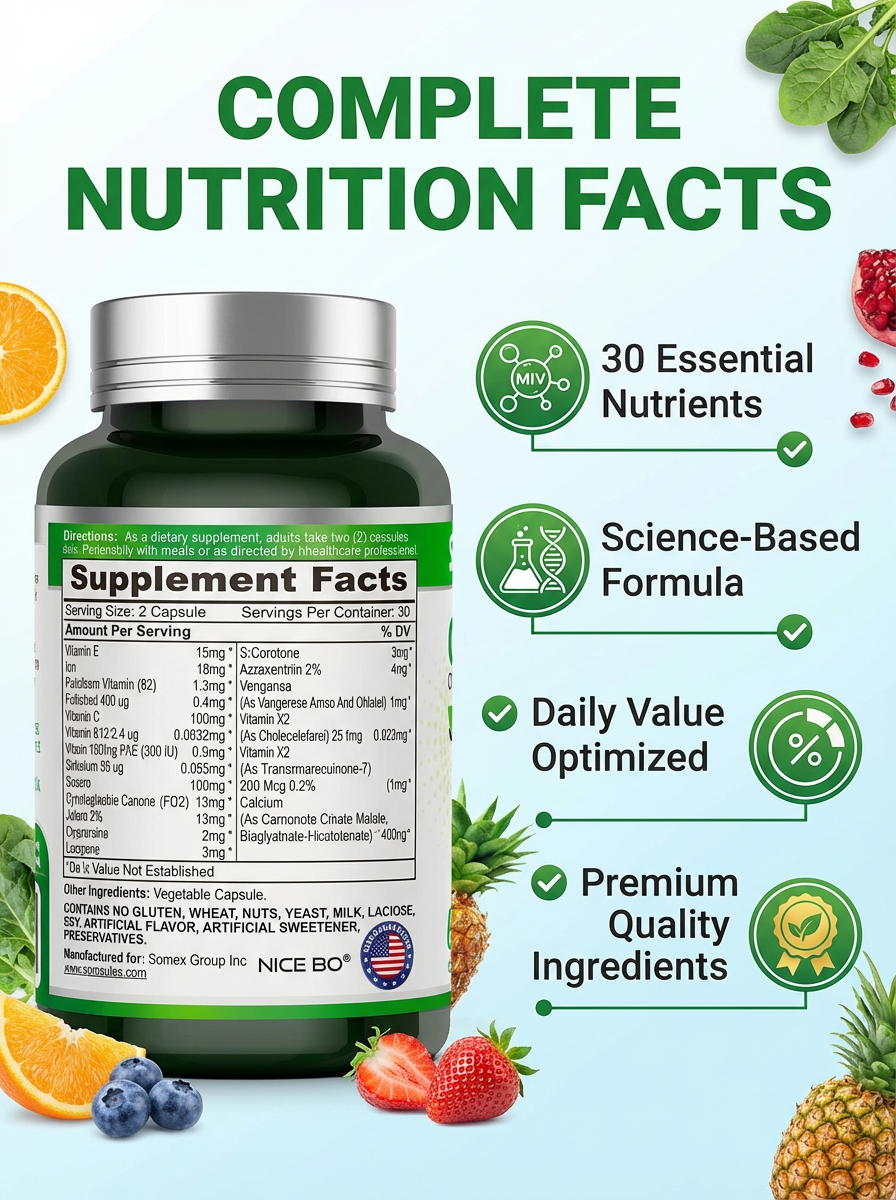
Based on the scientific evidence supporting these four key ingredients, PureNutraHubs' Somax Liver Protection features a unique formula design protected by US Patent (US 11,458,155 B1), scientifically combining silymarin, NADH, curcumin, and artichoke extract to achieve synergistic enhancement beyond what any single ingredient can deliver alone.
🏆 US Patent Formula US 11,458,155 B1
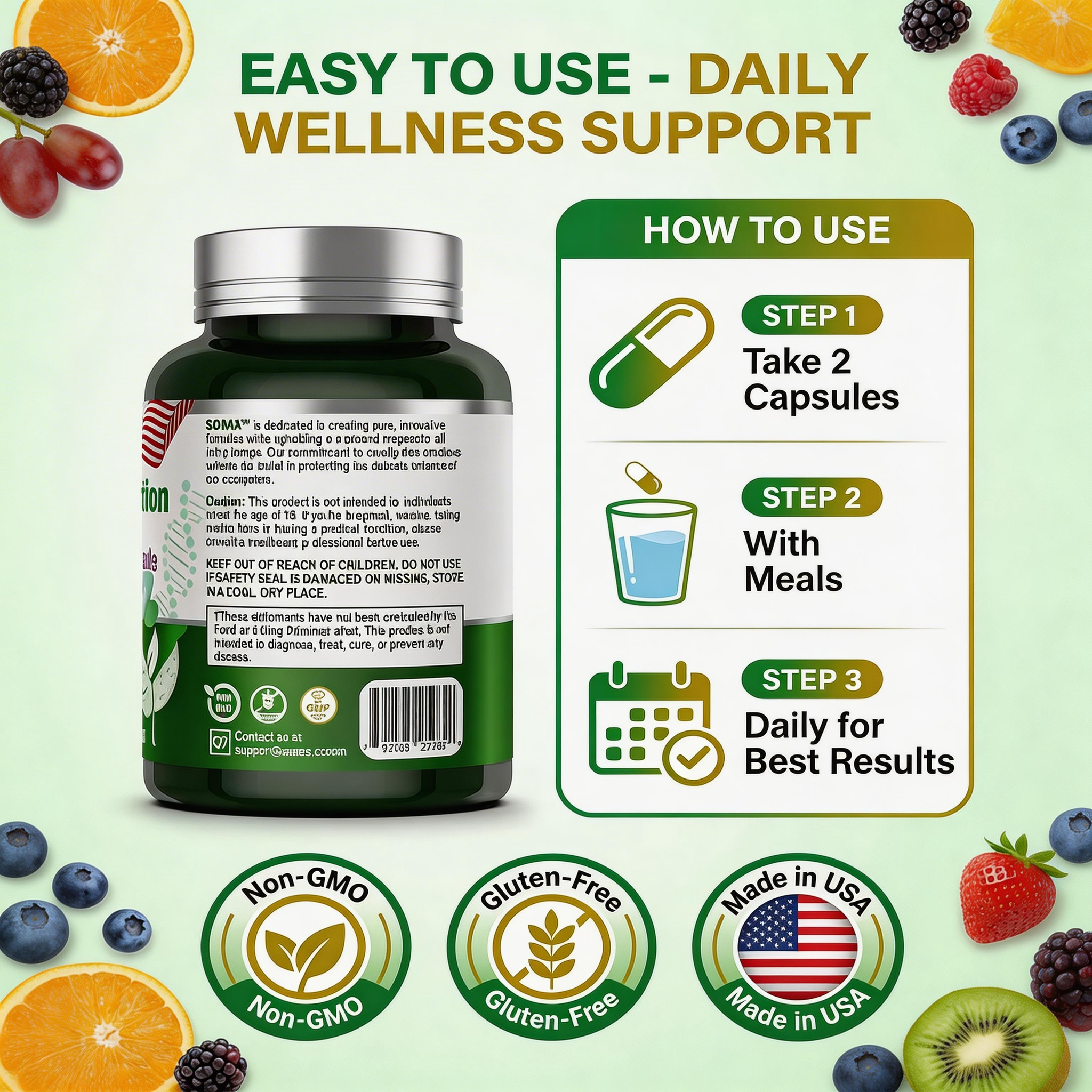
The Somax Liver Protection formula combination and ratios have undergone rigorous patent examination and received USPTO authorization. The patent protects the specific synergistic combination and precise ratios between ingredients — this formula design delivers liver protection effects exceeding the simple sum of individual components. Manufactured at a US cGMP-certified facility, ensuring quality consistency in every capsule. Learn more about the product →
6. Daily Liver Care: Seven Practical Tips
Beyond scientific nutritional support, lifestyle adjustments form the foundation of liver care. These seven tips cover a complete liver protection strategy from diet to sleep:
Sulforaphane in cruciferous vegetables like broccoli and cabbage activates the liver's Phase II detoxification enzyme system
- Maintain a regular sleep schedule — Aim to be asleep by 11 PM and get 7-8 hours of sleep. Avoid electronic devices 1 hour before bed, or use blue light filtering. Give your liver adequate time for its nightly autophagy repair cycle.
- Learn to manage stress — Meditation, deep breathing, and regular exercise are all effective ways to lower cortisol. Just 15-20 minutes of daily mindfulness practice has been shown to significantly reduce chronic stress levels.
- Control alcohol intake — If you can't completely abstain, ensure at least 3 alcohol-free days per week. Never drink on an empty stomach, and supplement with liver-support nutrients before and after drinking. Those with ALDH2 gene variants (who flush when drinking) should minimize alcohol as much as possible.
- Eat more cruciferous vegetables — Sulforaphane in broccoli, cabbage, cauliflower, and kale is a potent Nrf2 pathway activator, significantly enhancing the liver's Phase II detoxification capacity.
- Stay physically active — At least 150 minutes of moderate aerobic exercise per week effectively reduces liver fat content. Research shows that even without significant weight loss, regular exercise alone can improve hepatic fat metabolism.
- Stay hydrated — Drink 1.5-2 liters of water daily to support kidney-liver coordination in excreting water-soluble metabolic waste. A glass of warm water in the morning promotes bile flow and activates the liver's "morning shift."
- Reduce processed foods and added sugars — High-fructose corn syrup (HFCS) damages the liver comparably to alcohol. Prioritize whole foods and minimize products with excessive additives and preservatives.
💡 Key Insight
"Liver care" isn't something you start only after abnormal lab results. Under modern lifestyles, your liver bears metabolic loads far exceeding what nature designed it for every single day. Integrating liver awareness into daily life — from sleep management to nutritional supplementation — is a health literacy every modern person should possess. Prevention always costs less than treatment, and the liver's repair capacity has an expiration date.
7. Who Needs to Pay the Most Attention to Liver Health?
While everyone should prioritize liver health, the following groups face particularly elevated risks:
Chronic Night Owls
IT professionals, healthcare workers, shift workers, and others with irregular schedules whose liver autophagy repair cycles are chronically disrupted
Frequent Social Drinkers
Those drinking 3+ times per week, continuously depleting liver resources through alcohol metabolism — especially high risk for ALDH2 variant carriers
High-Pressure Professionals
Those in finance, tech, and entrepreneurship with chronically elevated cortisol from sustained workplace stress
Long-Term Medication Users
Those on long-term prescription medications, where drug metabolism adds to the liver's detoxification burden
🔮 Regular Checkups: Liver Function Monitoring
Annual liver function testing is recommended, focusing on these key markers:
ALT (Alanine Transaminase): Normal range 7-56 U/L — elevation indicates liver cell damage.
AST (Aspartate Transaminase): Normal range 10-40 U/L — used alongside ALT to assess damage severity.
GGT (Gamma-glutamyl Transferase): Particularly sensitive to alcohol-related and biliary liver damage.
Liver Ultrasound: Provides visual assessment of fatty liver severity and liver morphology changes.
Conclusion: Taking Care of Your Liver Means Taking Care of Your Future
The liver is a remarkable organ — it silently performs over 500 metabolic functions, possesses extraordinary regenerative ability, and continues working even after sustaining significant damage. But it is precisely this "silence" and "resilience" that leads too many people to neglect its protection until problems become severe.
In an era where late nights, stress, and social drinking have become lifestyle norms, proactive liver protection is no longer optional — it's essential for every modern individual. Start with sleeping one hour earlier tonight, declining one unnecessary drink, or beginning science-backed nutritional support — every kind act you do for your liver will be repaid with lasting health and vitality.
📌 Key Takeaways
- The liver performs 500+ metabolic functions including detoxification, bile secretion, protein synthesis, energy regulation, and immune defense
- Late nights disrupt the liver's autophagy repair cycle — staying up 3+ nights/week increases liver fat by 29%
- Chronic stress keeps cortisol elevated, promoting liver fat accumulation and worsening insulin resistance
- 36% of East Asians carry the ALDH2 gene variant, facing higher liver damage risk from equivalent alcohol intake
- Silymarin, NADH, Curcumin, and Artichoke Extract are four evidence-based liver protection ingredients
- 70% of early fatty liver cases can be reversed through lifestyle changes and nutritional intervention
📚 References
- Saller, R., Brignoli, R., Melzer, J. & Meier, R. "An updated systematic review with meta-analysis for the clinical evidence of silymarin." Forschende Komplementarmedizin, 15(1), 9-20, 2008.
- Cai, H. et al. "Sleep duration and circadian disruption in relation to nonalcoholic fatty liver disease." Journal of Hepatology, 77(5), 1265-1273, 2022.
- Rahmani, S., Asgary, S., Askari, G. et al. "Treatment of non-alcoholic fatty liver disease with curcumin: A randomized placebo-controlled trial." Phytotherapy Research, 30(9), 1540-1548, 2016.
- Yoshino, J., Baur, J.A. & Imai, S. "NAD+ intermediates: The biology and therapeutic potential of NMN and NR." Cell Metabolism, 27(3), 513-528, 2018.
- Ben Salem, M. et al. "Pharmacological studies of artichoke leaf extract and their health benefits." Plant Foods for Human Nutrition, 70(4), 441-453, 2015.
- GBD 2020 Alcohol Collaborators. "Population-level risks of alcohol consumption by amount, geography, age, sex, and year." The Lancet, 400(10347), 185-235, 2022.
- Younossi, Z.M. et al. "Global epidemiology of nonalcoholic fatty liver disease—Meta-analytic assessment of prevalence, incidence, and outcomes." Hepatology, 64(1), 73-84, 2016.