Have you noticed that recovery after workouts takes longer since you turned 30? That pulling an all-nighter no longer means bouncing back the next day, but needing two or three days to feel normal again? Maybe even your drive and motivation aren't what they used to be. Many men chalk these changes up to "being too busy" or "just getting older," but these signals all point to the same root cause — your testosterone levels are quietly declining, and you may not even realize it.
After 30, hitting the gym alone isn't enough — you need to redefine "vitality" across three dimensions: hormones, nutrition, and lifestyle
1. Age 30: The Turning Point for Male Vitality
There's a well-established medical fact: male testosterone levels begin declining after age 30 at a rate of 1-2% per year. This means by age 40, your testosterone may be 10-20% below its peak; by 50, the gap could reach 25-35%. This isn't a rare condition — it's a natural physiological process every man experiences.
But testosterone decline doesn't just affect sexual function. As the most important androgen in the male body, testosterone participates in virtually every critical metabolic process — from muscle synthesis to bone density maintenance, from fat distribution to mood regulation, from cognitive function to cardiovascular health.
What's even more alarming is that modern lifestyles are accelerating this process. A longitudinal study published in the Journal of Clinical Endocrinology & Metabolism found that average testosterone levels in today's men are approximately 15-20% lower than men of the same age 20 years ago. Environmental endocrine disruptors (plasticizers, pesticide residues), chronic stress, sleep deprivation, and sedentary lifestyles are all acting as "testosterone killers."
⚠ Signs You May Be Experiencing Low Testosterone
If you're experiencing three or more of the following symptoms simultaneously, it may be time to pay attention to your testosterone health: persistent fatigue, noticeable decline in muscle strength, increased abdominal fat, low mood or irritability, decreased libido, poor sleep quality, difficulty concentrating, and significantly longer recovery times after exercise. These aren't vague "sub-health" complaints — they're signals backed by clear physiological mechanisms of hormonal change.
2. Shilajit — Ancient Energy from the Himalayas
Among natural testosterone-supporting ingredients, Shilajit may be the most underrated. This natural mineral pitch that seeps from high-altitude rock crevices in the Himalayas has been used in Ayurvedic medicine for over 3,000 years, revered as "the conqueror of mountains and destroyer of weakness."
Core Active Compound: Fulvic Acid
Shilajit's primary active component is Fulvic Acid, typically comprising 60-80% of its composition. Fulvic Acid is a powerful natural organic acid with an extremely small molecular weight, capable of penetrating cell membranes to efficiently deliver minerals and trace elements directly into cells. Additionally, Shilajit contains over 84 trace minerals, dibenzo-alpha-pyrones (DBPs), and various amino acids.
Boosts Testosterone Levels
A 90-day clinical study showed that healthy male volunteers taking purified Shilajit daily experienced approximately 20% increase in total testosterone and 19% increase in free testosterone
Enhances Mitochondrial Function
Fulvic Acid acts as an electron carrier in the mitochondrial respiratory chain, improving ATP (cellular energy currency) synthesis efficiency, fundamentally enhancing stamina and endurance
Potent Antioxidant
Fulvic Acid's antioxidant capacity is several times that of Vitamin C, effectively neutralizing free radicals and protecting sperm DNA from oxidative damage
Mineral Delivery System
Its unique chelating properties make it a natural "nutrient courier," efficiently transporting zinc, iron, magnesium and other trace elements directly to the cellular level
"In our double-blind, placebo-controlled study of Shilajit, we observed a statistically significant increase in testosterone levels in healthy men over 90 days, with no notable adverse effects. This provides scientific evidence for its use as a natural testosterone support agent." — Pandit et al., Andrologia, 2016
3. Tongkat Ali — Southeast Asia's "Tree of Masculinity"
Tongkat Ali (scientific name: Eurycoma longifolia), also known as Malaysian Ginseng, is the most renowned male vitality plant in Southeast Asian traditional medicine. In Malaysian and Indonesian traditional healing, Tongkat Ali root extract has been widely used to enhance physical strength, improve sexual function, and combat fatigue.
Mechanism of Action: Eurycomanone & Testosterone Release
Tongkat Ali's core active compound is Eurycomanone, and its mechanism of action is quite unique: rather than directly introducing exogenous testosterone, Eurycomanone promotes the body's own testosterone production and release through the following pathways:
- Reduces SHBG Levels — Sex Hormone-Binding Globulin (SHBG) binds to testosterone, rendering it "inactive." Tongkat Ali lowers SHBG levels, thereby releasing more free testosterone for the body to use.
- Enhances Leydig Cell Function — Leydig cells in the testes are the "factories" of testosterone synthesis. Research shows Eurycomanone stimulates Leydig cell activity, increasing de novo testosterone production.
- Rebalances Cortisol-Testosterone Ratio — Chronic stress causes cortisol (the stress hormone) to remain elevated, and cortisol has a "seesaw effect" with testosterone. Tongkat Ali has been proven to effectively reduce cortisol levels, indirectly creating favorable conditions for testosterone synthesis.
- Antioxidant Protection for Testicular Tissue — Oxidative stress is a major factor damaging testicular function and sperm quality. Tongkat Ali's various bioactive alkaloids provide antioxidant protection for the reproductive system.
| Study | Participants | Key Findings |
|---|---|---|
| Talbott et al., 2013 | 63 moderately stressed adults | After 4 weeks: cortisol decreased 16%, testosterone increased 37% |
| Ismail et al., 2012 | 76 men with late-onset hypogonadism | After 1 month: over 90% of subjects had testosterone levels restored to normal range |
| Henkel et al., 2014 | 109 men aged 30-55 | After 12 weeks: sperm motility improved 44%, semen volume increased 18% |
4. Maca — The Life Root of the Andes
Maca (Lepidium meyenii) grows in the harsh highland environment of the Peruvian Andes at altitudes of 4,000-4,500 meters (13,000-15,000 feet). For thousands of years, indigenous communities have revered it as a sacred food for enhancing endurance, fertility, and overall vitality. Spanish conquistadors' historical records even noted that horses fed Maca showed significantly enhanced reproductive capability and stamina.
Combining aerobic exercise with natural nutritional supplementation provides sustained vitality support for men over 30
Scientific Research on Maca
Unlike Shilajit and Tongkat Ali, Maca's direct impact on testosterone levels has been inconsistent across studies. However, multiple clinical trials have confirmed Maca's significant effects in the following areas:
Enhanced Libido
A 2002 double-blind study in Andrologia showed that after 8 weeks of taking 1.5-3g of Maca daily, subjects reported significantly increased sexual desire, with notable differences from the placebo group
Improved Athletic Performance
Research found Maca can improve endurance performance in cycling athletes, likely related to its unique Macaene and Macamide compounds
Better Mood & Energy
Classified as an "adaptogen," Maca helps the body cope with chronic stress more effectively, reducing fatigue and anxiety
✅ Choosing the Right Maca Variety
Black Maca has the most concentrated research in men's health and is considered most effective for improving sperm quality and endurance. Red Maca is more associated with prostate health and bone density protection. When selecting a male vitality product, prioritize formulas containing Black Maca extract.
5. Zinc — The Underrated "Testosterone Mineral"
Among all minerals related to male vitality, the importance of zinc cannot be overstated. Zinc is a cofactor for multiple key enzymes in the testosterone synthesis pathway, an essential mineral for sperm maturation, and a cornerstone of prostate health.
A landmark study from Wayne State University directly revealed the dose-response relationship between zinc and testosterone: researchers placed healthy young men on a low-zinc diet for 20 weeks, resulting in serum testosterone levels dropping by nearly 75%. Conversely, supplementing zinc-deficient elderly men with zinc for 6 months caused their testosterone levels to nearly double.
However, zinc absorption in the daily diet is disrupted by multiple factors:
- Phytates (grains, legumes) significantly inhibit zinc absorption — vegetarians and those eating primarily grain-based diets need to be especially mindful
- High calcium intake at the same time competes with zinc for absorption pathways
- Alcohol consumption accelerates zinc excretion — men who drink socially are more likely to be zinc deficient
- High-intensity exercise causes significant zinc loss through sweat — active men require 30-50% more zinc than sedentary individuals
- Seminal fluid is a male-specific zinc loss pathway — each ejaculation depletes approximately 0.5-1mg of zinc
Pumpkin seeds, cashews, and oysters are excellent natural zinc sources, but for high-demand men, additional supplementation is often necessary
6. The Triangle Model: Exercise + Nutrition + Sleep
Relying on any single supplement to "save" your testosterone is unrealistic. Truly effective male vitality management requires building a systematic intervention strategy across three dimensions: exercise, nutrition, and sleep. A deficiency in any one area will significantly diminish the effectiveness of the others.
Exercise: Choosing the Right Type Matters More Than Duration
| Exercise Type | Effect on Testosterone | Recommended Frequency |
|---|---|---|
| Compound Strength Training (Squats / Deadlifts / Bench Press) | Most potent natural testosterone stimulus; can temporarily boost levels 20-30% post-workout | 3-4 times/week, 45-60 min each |
| High-Intensity Interval Training (HIIT) | Significantly boosts growth hormone and testosterone; improves insulin sensitivity | 2-3 times/week, 20-30 min each |
| Moderate Cardio (Running / Cycling) | Maintains cardiovascular health, but sessions over 60 min may elevate cortisol | 2-3 times/week, 30-45 min each |
| Overtraining (2+ hours of high intensity daily) | ⚠ Chronic cortisol elevation actually suppresses testosterone synthesis | Should be avoided; prioritize recovery |
Sleep: The "Golden Window" for Testosterone Production
Research shows that testosterone synthesis peaks during deep sleep (slow-wave sleep). A University of Chicago experiment found that restricting healthy young men's sleep from 8 hours to 5 hours caused daytime testosterone levels to drop 10-15% after just one week. That's equivalent to "aging" 10-15 years prematurely.
- Get 7-8 hours of sleep — This is the baseline time requirement for testosterone synthesis. Anything less than 6 hours may significantly reduce testosterone levels.
- Be asleep by 11 PM — Pulsatile secretion peaks of growth hormone and testosterone are concentrated during deep sleep between 11 PM and 3 AM.
- Avoid blue light before bed — Blue light from phones and computers suppresses melatonin secretion, delays sleep onset, and reduces the proportion of deep sleep.
- Control bedroom temperature — Research suggests a sleep environment of 64-68°F (18-20°C) is most conducive to deep sleep and testosterone secretion.
Nutrition: Providing Raw Materials for Testosterone Synthesis
Beyond targeted ingredients like Shilajit, Tongkat Ali, Maca, and Zinc, the foundational framework of your daily diet is equally critical:
- Adequate protein (1.6-2.2g per kg body weight) — Provides the amino acid building blocks for testosterone synthesis and the fundamental materials for muscle repair
- Healthy fats are essential — Cholesterol is the direct precursor to testosterone. Olive oil, avocados, nuts, and fatty fish are excellent fat sources
- Limit refined carbohydrates — High-sugar diets cause insulin spikes that suppress testosterone synthesis. Choose whole grains and low-GI carbs
- Cruciferous vegetables — Broccoli and cauliflower contain Indole-3-Carbinol (I3C), which helps metabolize excess estrogen and maintain hormonal balance
- Vitamin D — The "sunshine vitamin" is positively correlated with testosterone levels; deficient individuals should supplement 2,000-4,000 IU daily
- Moderate or no alcohol — Excessive alcohol is a known testosterone suppressor; occasional moderate drinking has relatively limited impact
💡 Key Insight
The core logic of vitality management is "reduce depletion + increase supply." Exercise (especially resistance training) provides the stimulus signal, nutrition provides the raw materials for synthesis, and sleep provides the synthesis window. All three are indispensable. On this foundation, natural ingredients like Shilajit and Tongkat Ali serve as "accelerators" that further amplify the body's own testosterone production capacity.
7. The Shilajit Complex Formula: The Science of Synergistic Enhancement
As the analysis above shows, each individual ingredient has its own strengths and limitations. Shilajit excels at boosting total testosterone and mitochondrial function; Tongkat Ali specializes in releasing free testosterone and lowering cortisol; Maca improves subjective vitality and libido; and Zinc serves as the irreplaceable foundational mineral for the entire testosterone synthesis pathway.
Combining these ingredients in a scientifically formulated blend creates a complete support chain spanning "raw material supply → synthesis stimulation → release optimization → energy conversion":
Zinc — Foundation
Provides irreplaceable cofactors for the testosterone synthesis enzyme system, ensuring the "raw materials" for the synthesis pathway are abundant
Shilajit — Synthesis Activator
Enhances mitochondrial function and hormone synthesis efficiency through Fulvic Acid, while efficiently delivering zinc and other minerals to target cells
Tongkat Ali — Release Optimizer
Lowers SHBG to release free testosterone, reduces cortisol to lift synthesis suppression — a dual-action approach to increasing usable testosterone
Maca — Vitality Amplifier
As an adaptogen, comprehensively regulates the hypothalamic-pituitary-gonadal axis, improving overall energy, endurance, and sexual function
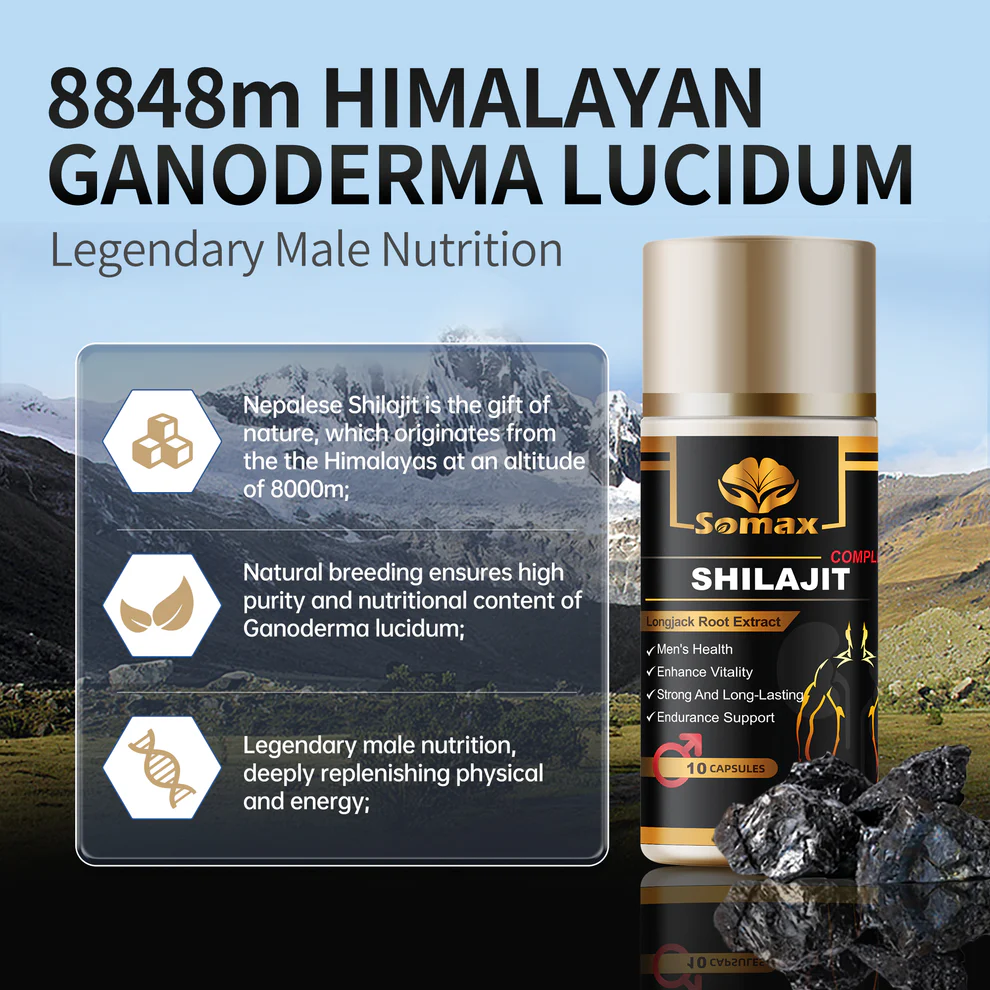
🏆 Somax Men's Vitality Capsules
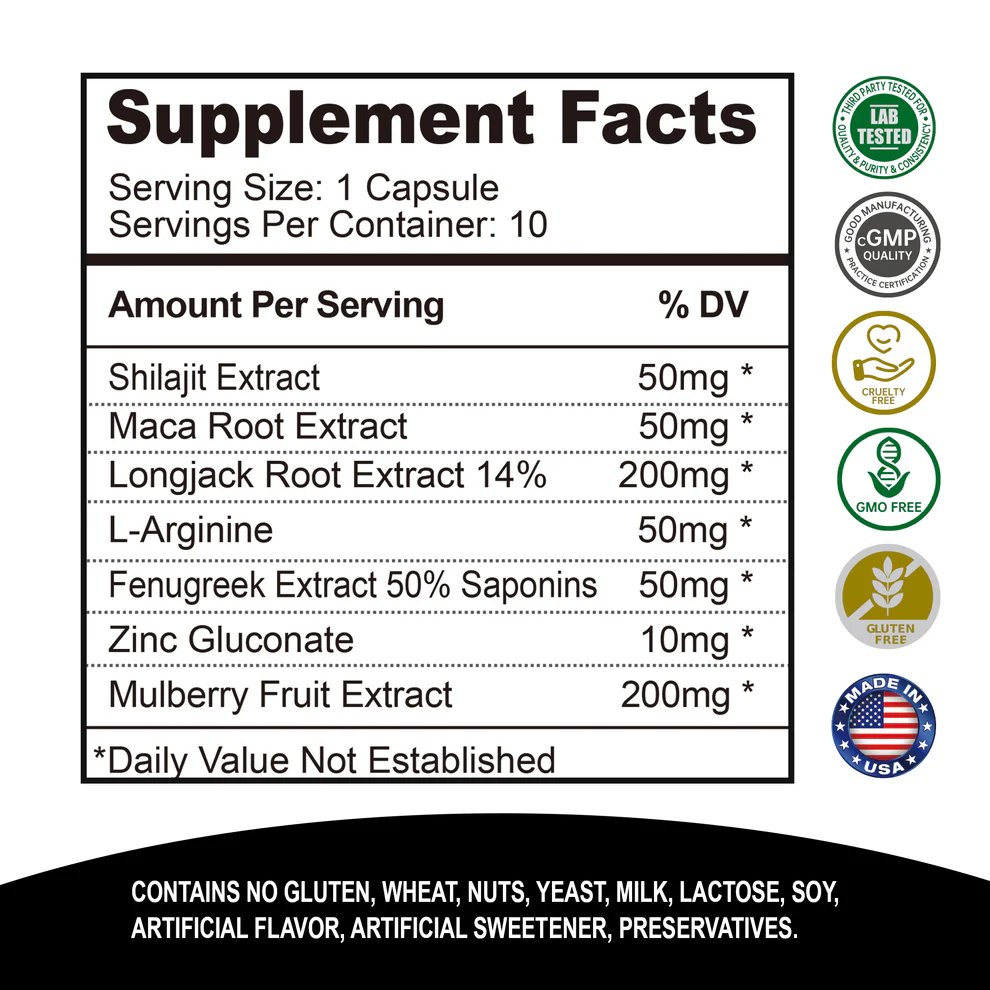
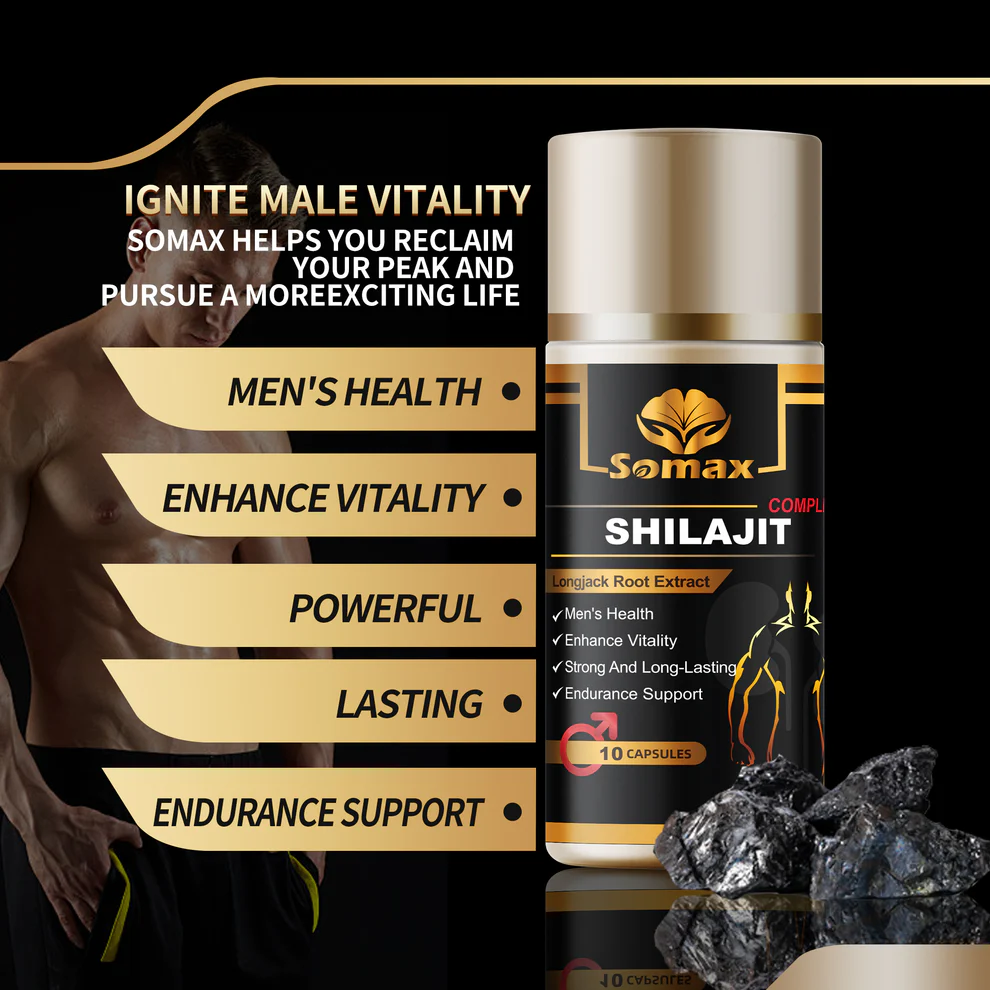
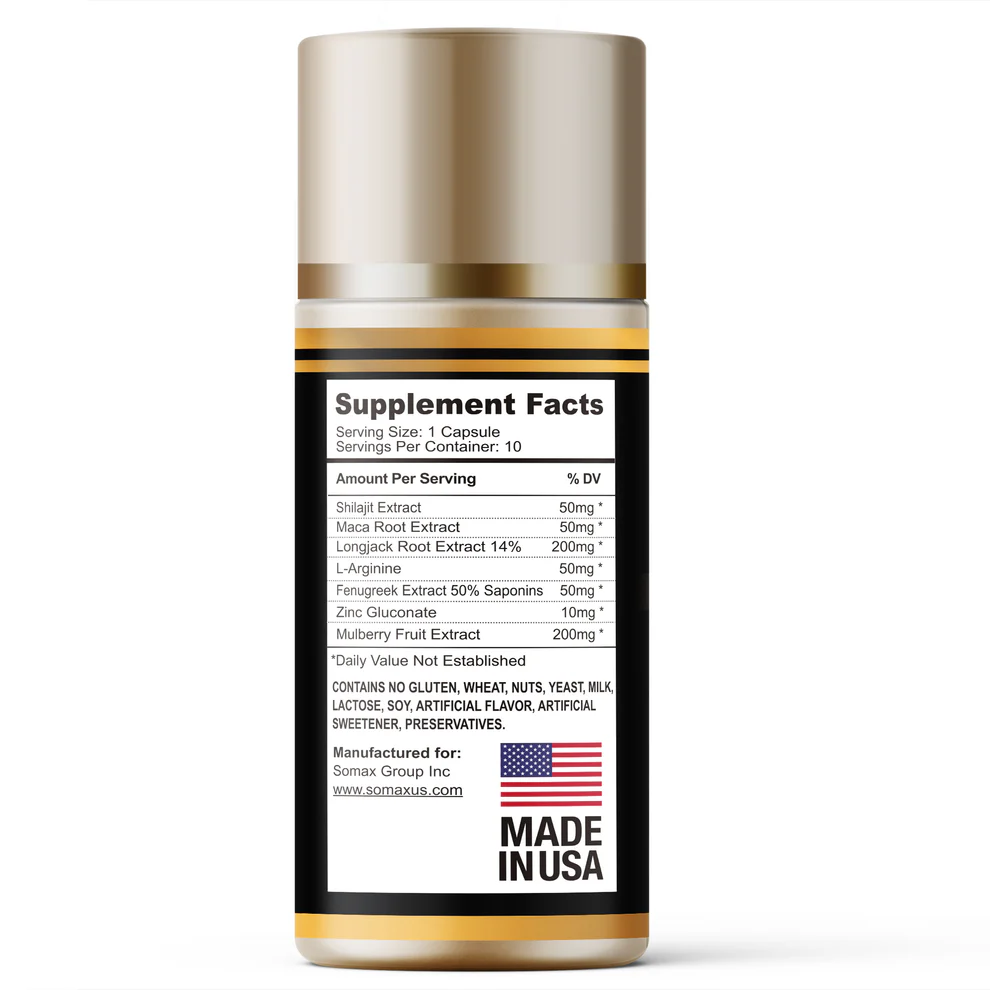
PureNutraHubs' Somax Men's Vitality Capsules feature a precision blend of Shilajit (standardized to 50%+ Fulvic Acid), Tongkat Ali root extract, Black Maca concentrate, and organic chelated Zinc — four core ingredients scientifically formulated for synergy. Manufactured in a U.S. GMP-certified facility with every batch rigorously tested by third-party laboratories. No hormones, no stimulants, no artificial colors — just nature's way of reigniting your vitality engine. View Product Details →
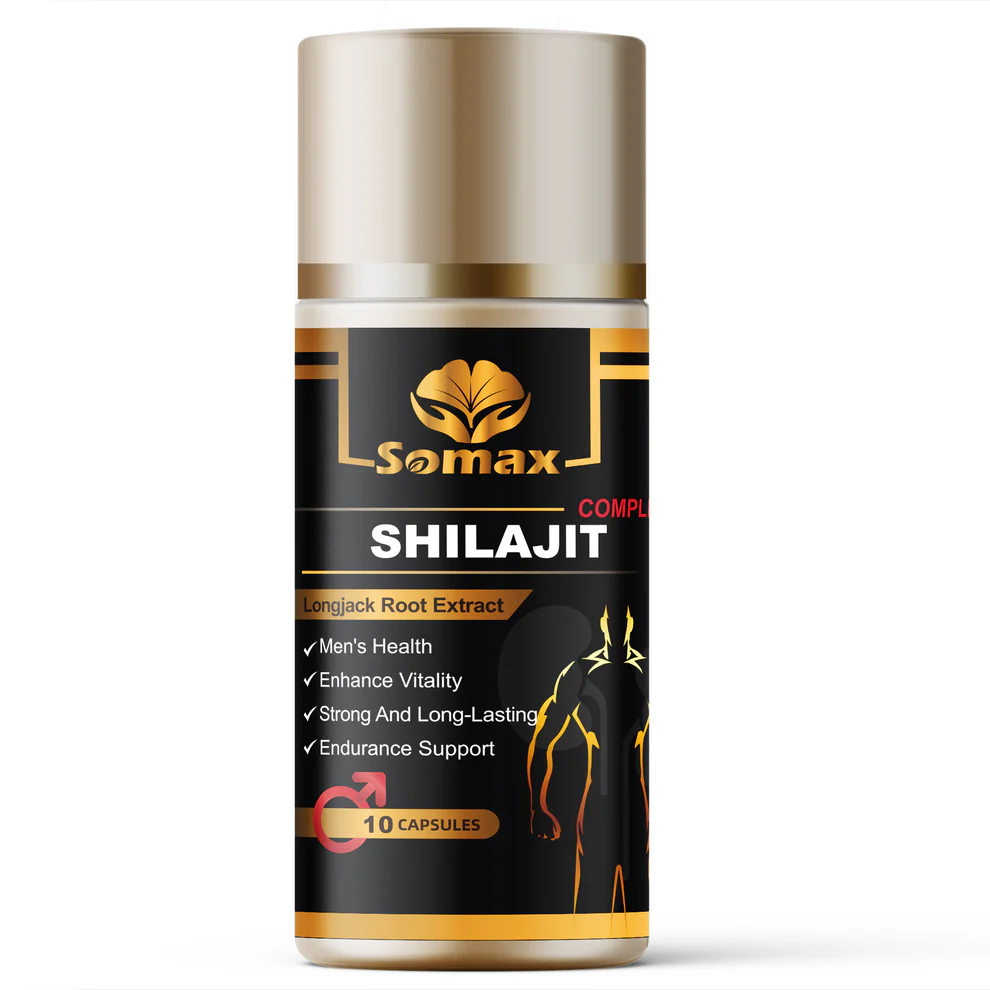
Somax Men's Vitality Capsules: A scientific compound formula of Shilajit + Tongkat Ali + Black Maca + Organic Zinc
8. Common Myths Debunked
❌ Myth 1: "Testosterone decline is only an old man's problem"
The truth is, testosterone decline begins at 30. By the time noticeable symptoms appear, levels may have already dropped over 20%. The optimal window for preventive intervention is between ages 30-40, when the body is most responsive to natural ingredients.
❌ Myth 2: "Eating more meat will boost testosterone"
Protein is one raw material for testosterone synthesis, but far from the only factor. Without adequate zinc, Vitamin D, healthy fats, and sufficient sleep, no amount of protein will translate into effective testosterone output. Vitality management is a systems approach, not simply "eat more."
❌ Myth 3: "Natural supplements are just placebos"
Shilajit, Tongkat Ali, and Maca all have multiple double-blind, placebo-controlled clinical trials supporting their efficacy. The key is choosing standardized extracts (not raw powder) at effective dosages (not token amounts). Cheap, low-concentration products may indeed be ineffective, but that's a product quality issue, not a problem with the ingredients themselves.
Conclusion: At 30, Redefine Your Vitality
Vitality decline after 30 is not destiny — it's a physiological process that can be scientifically managed. The natural decline in testosterone is real, but its speed and magnitude can absolutely be slowed through lifestyle interventions and science-backed nutritional support.
Compound strength training provides the most potent testosterone stimulus; 7-8 hours of quality sleep creates the optimal synthesis window; a balanced diet supplies adequate raw materials; and natural ingredients like Shilajit, Tongkat Ali, Maca, and Zinc act as precision catalysts that amplify your body's self-regulatory capacity.
Don't wait until your energy is visibly failing to take action. Age 30 is the perfect time to start "building your position" for the next 20 years of vitality.
📌 Key Takeaways
- Male testosterone declines 1-2% annually after 30, affecting muscle mass, bone density, mood, and sexual function
- Shilajit's Fulvic Acid can enhance mitochondrial function and boost total testosterone levels (+20%)
- Tongkat Ali's Eurycomanone releases free testosterone by lowering SHBG and cortisol
- Maca, as an adaptogen, improves libido, exercise endurance, and subjective energy levels
- Zinc is an irreplaceable mineral cofactor in the testosterone synthesis pathway
- The trifecta of exercise (resistance training) + nutrition + sleep (7-8h) is the most effective comprehensive approach
📚 References
- Travison, T.G. et al. "A Population-Level Decline in Serum Testosterone Levels in American Men." Journal of Clinical Endocrinology & Metabolism, 92(1), 196-202, 2007.
- Pandit, S. et al. "Clinical evaluation of purified Shilajit on testosterone levels in healthy volunteers." Andrologia, 48(5), 570-575, 2016.
- Talbott, S.M. et al. "Effect of Tongkat Ali on stress hormones and psychological mood state in moderately stressed subjects." Journal of the International Society of Sports Nutrition, 10(1), 28, 2013.
- Gonzales, G.F. et al. "Effect of Lepidium meyenii (Maca) on sexual desire and its absent relationship with serum testosterone levels in adult healthy men." Andrologia, 34(6), 367-372, 2002.
- Prasad, A.S. et al. "Zinc status and serum testosterone levels of healthy adults." Nutrition, 12(5), 344-348, 1996.
- Leproult, R. & Van Cauter, E. "Effect of 1 week of sleep restriction on testosterone levels in young healthy men." JAMA, 305(21), 2173-2174, 2011.
- Henkel, R.R. et al. "Tongkat Ali as a potential herbal supplement for physically active male and female seniors." Phytotherapy Research, 28(4), 544-550, 2014.