Have you noticed that after turning 30, your body takes noticeably longer to recover? Overtime leaves you drained for days, colds linger longer than before, and even your skin doesn't bounce back like it used to. Behind these seemingly minor changes lies an important health signal — your body is undergoing a "nutritional metabolism revolution."
A balanced diet is the first step in nutrition management, but modern lifestyles make it difficult to get enough nutrients from food alone
1. Age 30: The Metabolic Turning Point
Medical research shows that the body's Basal Metabolic Rate (BMR) begins declining at a rate of approximately 2-4% per decade starting around age 25. This means even if your eating habits haven't changed, your body's efficiency at utilizing nutrients is decreasing year by year. A long-term tracking study by the National Institute on Aging (NIA) found that over 68% of adults aged 30-40 have at least one subclinical micronutrient deficiency.
This change doesn't happen overnight — it's a gradual process. When you're still managing your health with a 20-year-old's mindset, your body has already entered its 30s metabolic mode. This "cognitive lag" is the root cause of why many people suddenly notice a significant drop in energy during their 30s and 40s.
2. The Six Nutrients Most Commonly Deficient After 30
According to the National Health and Nutrition Examination Survey (NHANES) and multiple international nutritional epidemiology studies, the following six nutrients are the most commonly deficient types among adults over 30:
Vitamin D
Known as the "sunshine vitamin," essential for bone metabolism and immune regulation. Indoor work and sunscreen habits make deficiency widespread
Magnesium
Involved in 300+ enzyme reactions, closely linked to sleep quality, muscle recovery, and mood regulation
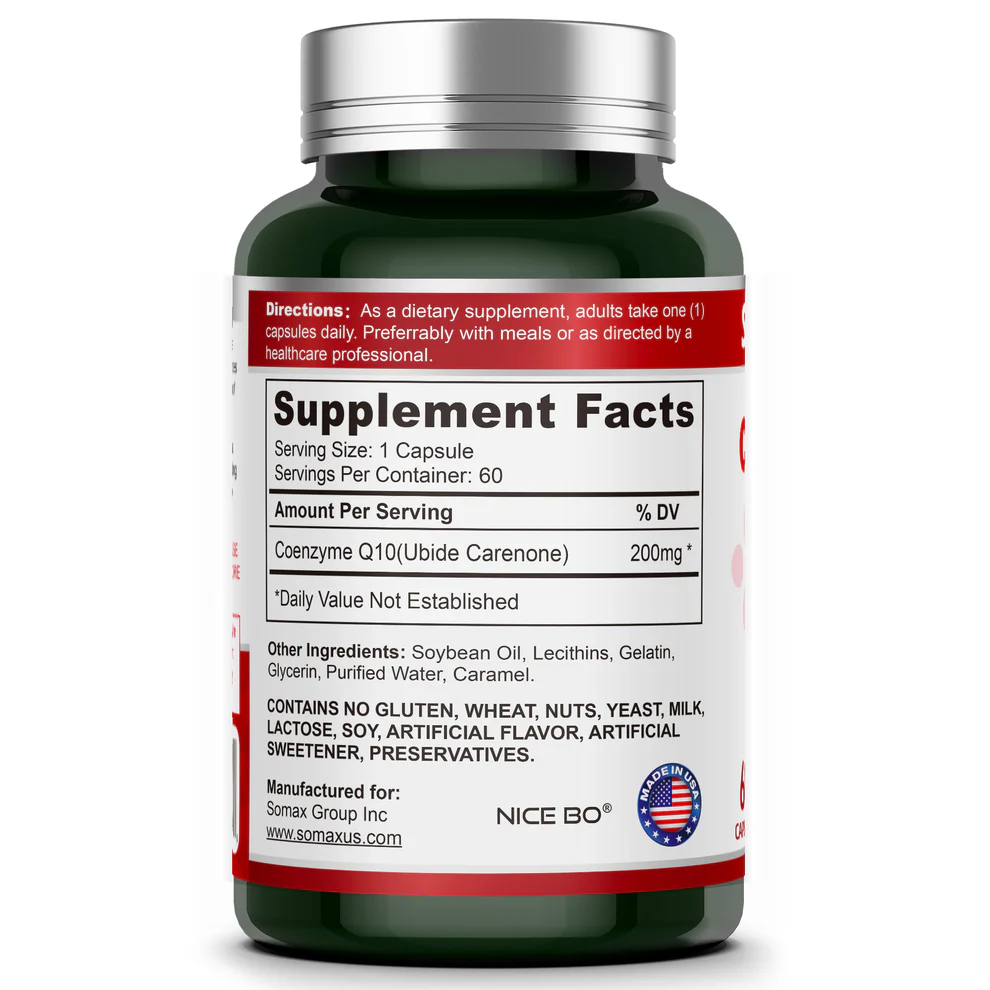
Coenzyme Q10
The cellular "energy engine" — the body's ability to synthesize it begins declining after 30, with the heart being first affected
Omega-3 Fatty Acids
Anti-inflammatory, supports cardiovascular and brain health. Modern diets have excess Omega-6 and severely insufficient Omega-3
B Vitamins
The "transmission chain" of energy metabolism — the B6/B12/Folate combination is crucial for nervous system function and hemoglobin synthesis
Zinc
A core mineral for immune defense, also involved in taste maintenance, skin repair, and protein synthesis
⚠ A Fact You May Not Know
Subclinical nutritional deficiency is different from clinical deficiency — it won't make you immediately sick, but it causes persistent fatigue, weakened immunity, declining skin condition, and difficulty concentrating. Many people blame these symptoms on "getting older," but in reality, simple nutritional supplementation could significantly improve them.
3. Why Diet Alone Is No Longer Enough
Many people believe "just eating well is enough," but the reality is far more complex. USDA research shows that due to soil depletion, industrial farming, and long-distance transportation, key nutrient levels in fruits and vegetables have dropped by 15-40% over the past 50 years. A head of spinach from 1970 may have contained the iron equivalent of 3-4 heads of today's spinach.
More importantly, modern lifestyles themselves are "consuming" nutrients:
- Chronic stress depletes B vitamins and magnesium, which is why high-pressure individuals are more prone to insomnia and anxiety
- Sedentary office work severely limits vitamin D synthesis, even daily commuting can't compensate
- Processed foods with high sodium and sugar interfere with mineral absorption and utilization
- Coffee and alcohol accelerate B vitamin and calcium excretion — common beverages for the 30+ crowd
- Blue light from screens continuously depletes lutein and zeaxanthin, increasing oxidative stress on the eyes
- Antibiotics and medications can disrupt gut flora, further affecting nutrient absorption
💡 Key Insight
Nutritional supplementation doesn't replace diet — it bridges the "nutrition gap" created by modern lifestyles. Think of it as a health management "insurance policy" — when your diet can't cover 100% of your needs, supplements provide an essential safety net.
4. Science Breakdown: Five Key Changes After 30
From a biological standpoint, your body undergoes the following key changes after 30, each directly linked to specific nutritional needs:
1. Declining Mitochondrial Function
Mitochondria are the cell's "energy factories," converting food into ATP (adenosine triphosphate). Research shows that after 30, the efficiency of mitochondrial electron transport chains begins to decrease, directly manifesting as easy fatigue and prolonged post-exercise recovery times. Coenzyme Q10 (CoQ10) is an irreplaceable cofactor in the mitochondrial energy conversion process, and the body's own CoQ10 synthesis capacity starts declining from the mid-20s.
2. Increasing Oxidative Stress
As we age, free radical production gradually exceeds antioxidant defense capacity. This "oxidation-antioxidant imbalance" is one of the core mechanisms accelerating aging. Vitamins C and E, selenium, zinc, and plant polyphenols (such as bilberry extract and resveratrol) are all important antioxidant nutrients.
3. Bone Density Loss Begins
The "calcium storage peak" in bones reaches its maximum between ages 25-30, then declines at a rate of 0.5-1% per year. For women, bone loss accelerates 2-3x after menopause. The synergistic supplementation of calcium, vitamin D, and vitamin K2 is considered the "golden triangle" for maintaining bone density.
4. Collagen Synthesis Slows Down
After 30, collagen synthesis speed decreases by approximately 1-1.5% per year, most visibly manifesting as declining skin elasticity and increasing fine lines. Vitamin C is an essential cofactor in the collagen synthesis process, while zinc participates in protein synthesis and tissue repair.
5. Immune Memory Decline
The thymus begins shrinking after puberty, leading to decreased T-cell production and function. This explains why colds, allergies, and other immune-related issues may become more frequent after 30. Vitamin D, zinc, and selenium are the three key nutrients supporting immune function.
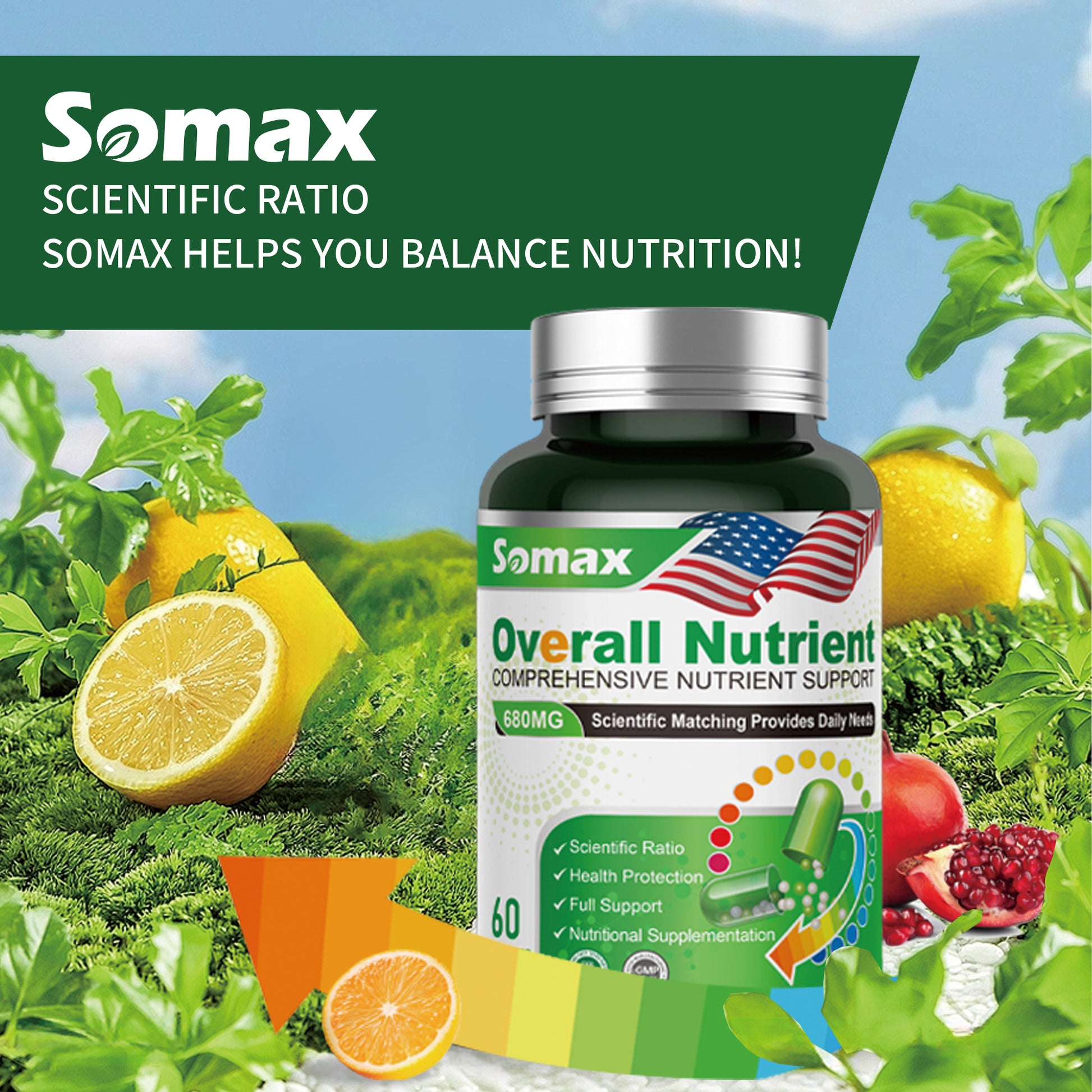
Choosing quality supplements paired with a balanced diet can effectively bridge the nutrition gaps that emerge after 30
5. Systematic vs. Random Supplementation
After learning about nutrition gaps, many people's first reaction is "I'll just buy a few bottles of vitamins." But random supplementation is not only limited in effectiveness — it can also cause nutrient interference. The scientific approach is to build a layered, synergistic nutritional supplementation system.
| Comparison | Random Supplementation | Systematic Supplementation |
|---|---|---|
| Logic | Buying whatever sounds good | Layered approach based on personal needs |
| Synergy | Possible conflicts (e.g., calcium + zinc) | Considers absorption synergies |
| Dosage Control | Duplicate intake may cause excess | Precise dosing, no overlap |
| Long-term Cost | 10+ single products = high cost, more waste | Comprehensive formulas are more cost-effective |
| Compliance | Taking handfuls daily = easy to give up | 1-2 capsules cover core needs |
✅ The Three-Layer Architecture of Systematic Supplementation
Layer 1: Foundation (Daily Essentials) — A comprehensive multivitamin mineral covering daily dietary gaps. This is the "base" everyone needs.
Layer 2: Functional (Choose by Need) — Targeting personal weaknesses, like CoQ10 for heart/energy, Lutein for eye health, Omega-3 for inflammation.
Layer 3: Situational (Specific Scenarios) — For special life situations, like extra B vitamins during high-stress periods, or hangover recovery support after social drinking.
6. The 30+ Supplement Timing Schedule
When and how you take supplements matters just as much as what you take. Here's a nutrition-science-backed optimal schedule:
- With Breakfast (Fat-Soluble Nutrients) — Vitamins D, A, E, and CoQ10. These fat-soluble nutrients need dietary fats for proper absorption, making breakfast the ideal time.
- After Lunch (Water-Soluble Nutrients) — B vitamins and Vitamin C. Water-soluble vitamins don't need fat for absorption, but B vitamins have a mild energizing effect — best taken after lunch rather than at night.
- With Dinner (Minerals) — Calcium, magnesium, and zinc. Magnesium has a calming effect on the nervous system, helping improve sleep quality — ideal for evening use. Note: don't take calcium and iron simultaneously.
- Before Bed (Specific Needs) — If you have sleep difficulties, try supplementing with a magnesium and vitamin B6 combination 30 minutes before bedtime.
📚 Nutrient Synergy Pairings
✓ Vitamin D + Calcium + Vitamin K2: D promotes calcium absorption, K2 directs calcium to bones rather than arteries
✓ Vitamin C + Iron: C can increase iron absorption by 3-6x
✓ CoQ10 + Fats: Fat-soluble CoQ10 absorption increases 300% in the presence of dietary fat
✗ Avoid: Calcium + Iron together — Calcium inhibits iron absorption; space them 2+ hours apart
✗ Avoid: High-dose Zinc + Copper together — Excess zinc interferes with copper absorption
7. Special Considerations for 30+ Adults
Many adults face unique nutritional challenges:
Double Vitamin D Risk
Higher melanin content in darker skin tones reduces vitamin D synthesis efficiency, combined with indoor work and sunscreen habits, significantly increasing deficiency risk
Lactose Intolerance & Calcium
Many adults are lactose intolerant to varying degrees, resulting in low dairy intake and significantly increased calcium deficiency risk
High-Pressure Work & B Vitamin Depletion
Many professionals work in high-stress industries like tech and finance — chronic stress is a "silent consumer" of B vitamins and magnesium
"Nutritional supplementation isn't 'medicine' you need only after getting sick — it's a proactive health investment. Age 30 is the best time to start this investment because your body still has enough repair capacity to respond to this support." — Dr. Sarah Chen, Harvard School of Public Health
8. How to Choose a Quality Comprehensive Supplement
With thousands of supplement brands on the US market and wildly varying quality, here are the core standards for evaluating product quality:
- GMP Certification (Good Manufacturing Practice) — Ensures the manufacturing process meets FDA standards
- Third-Party Testing — Independent lab verification of ingredient content and purity, such as NSF or USP certification
- Active Form Ingredients — Such as methylfolate (not regular folic acid), methylcobalamin (not cyanocobalamin)
- Reasonable Dosages — Neither trace amounts (ineffective) nor mega-doses (potentially risky)
- Transparent Labels — Complete listing of all ingredients, amounts, and excipients with no "proprietary blend" concealment
- Scientific Formula Logic — Ingredients with synergistic effects, not just randomly stacked
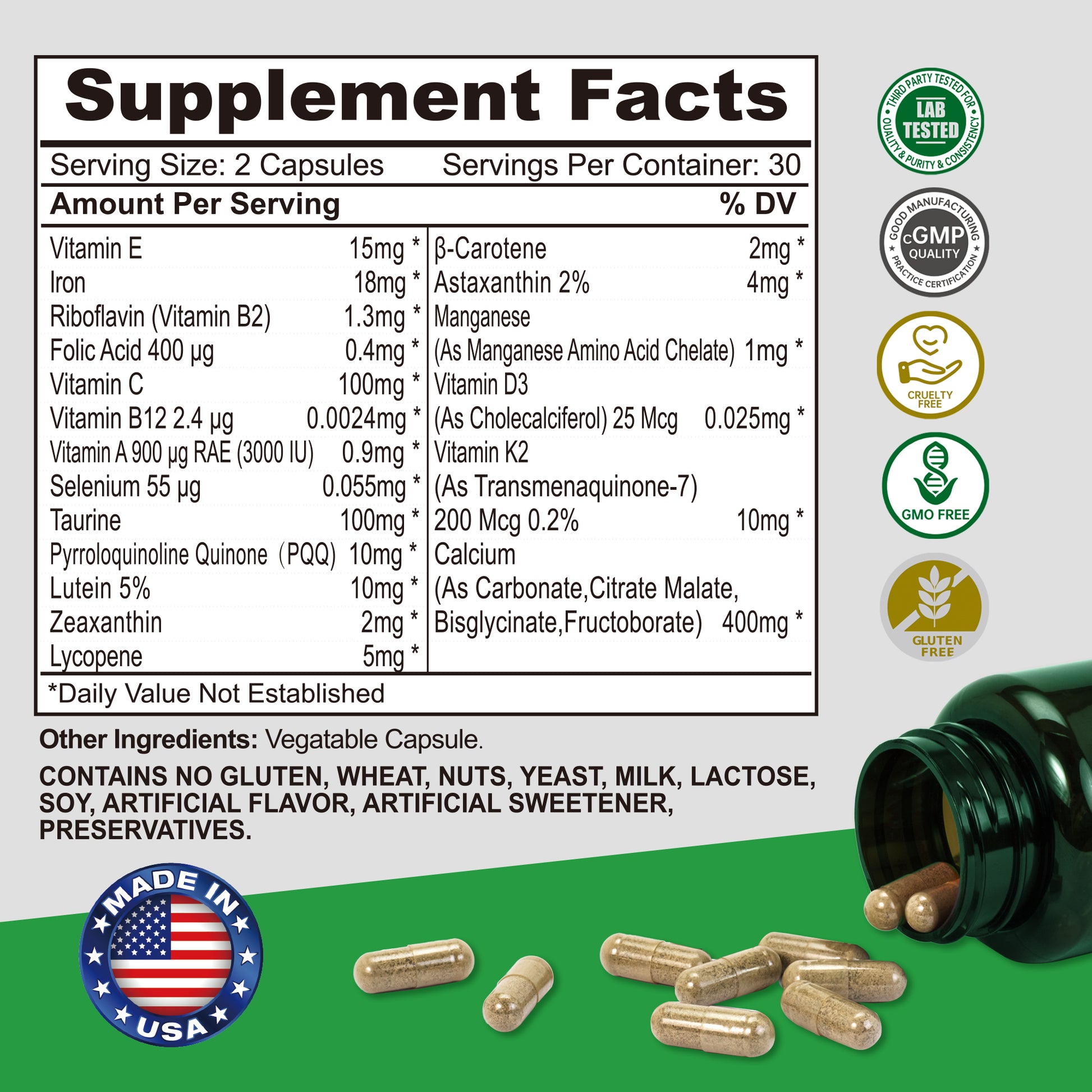
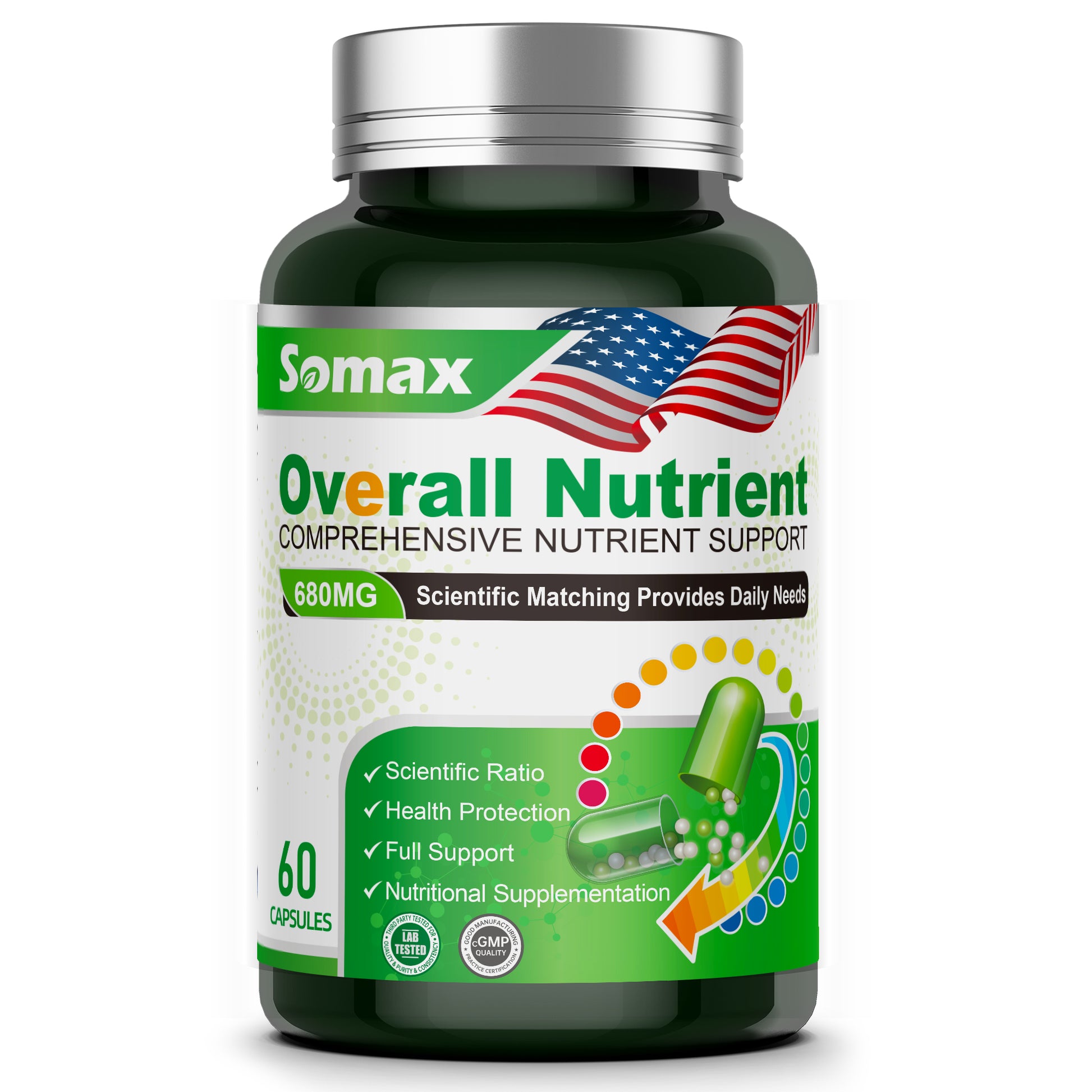
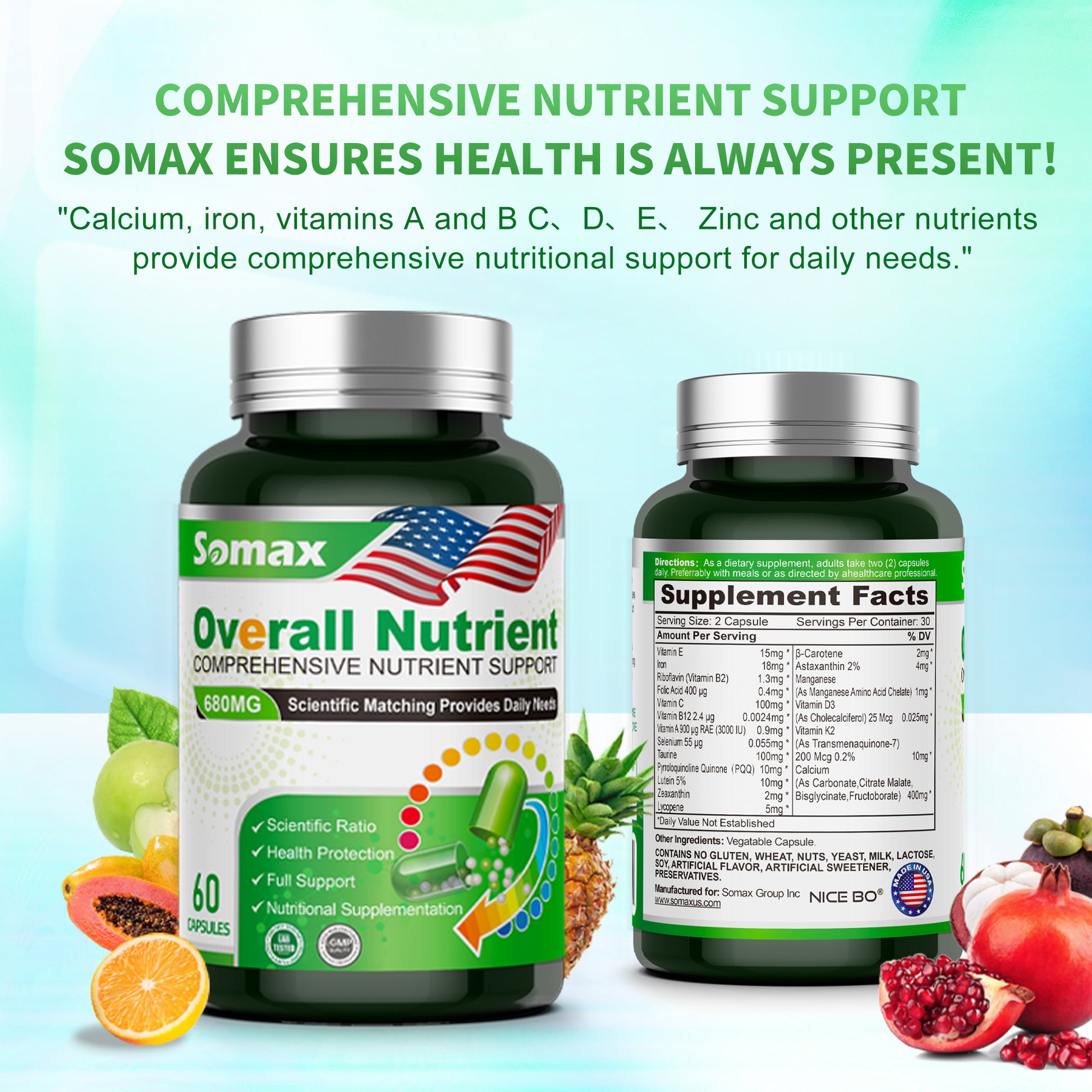
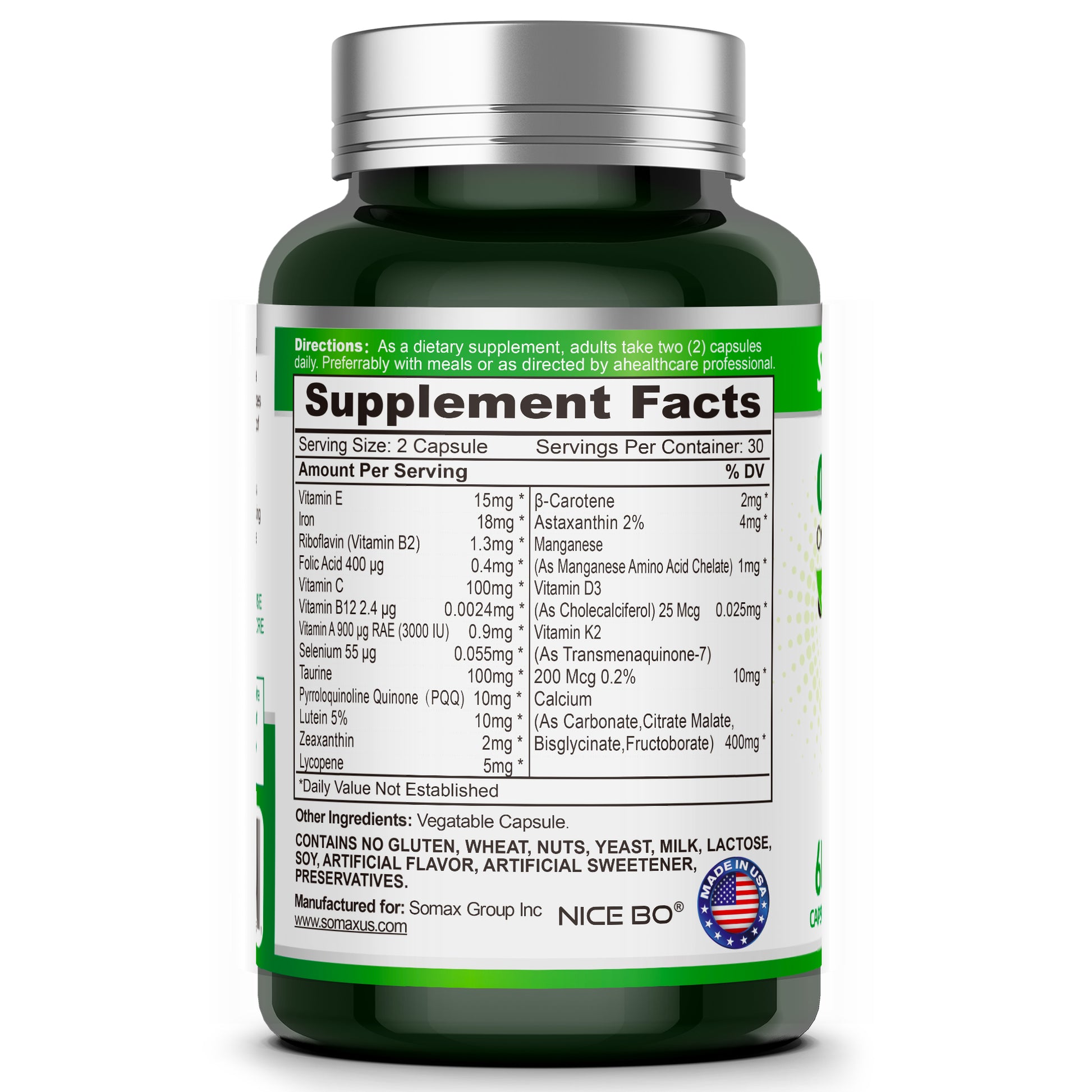
🏆 Somax Overall Nutrient 680mg
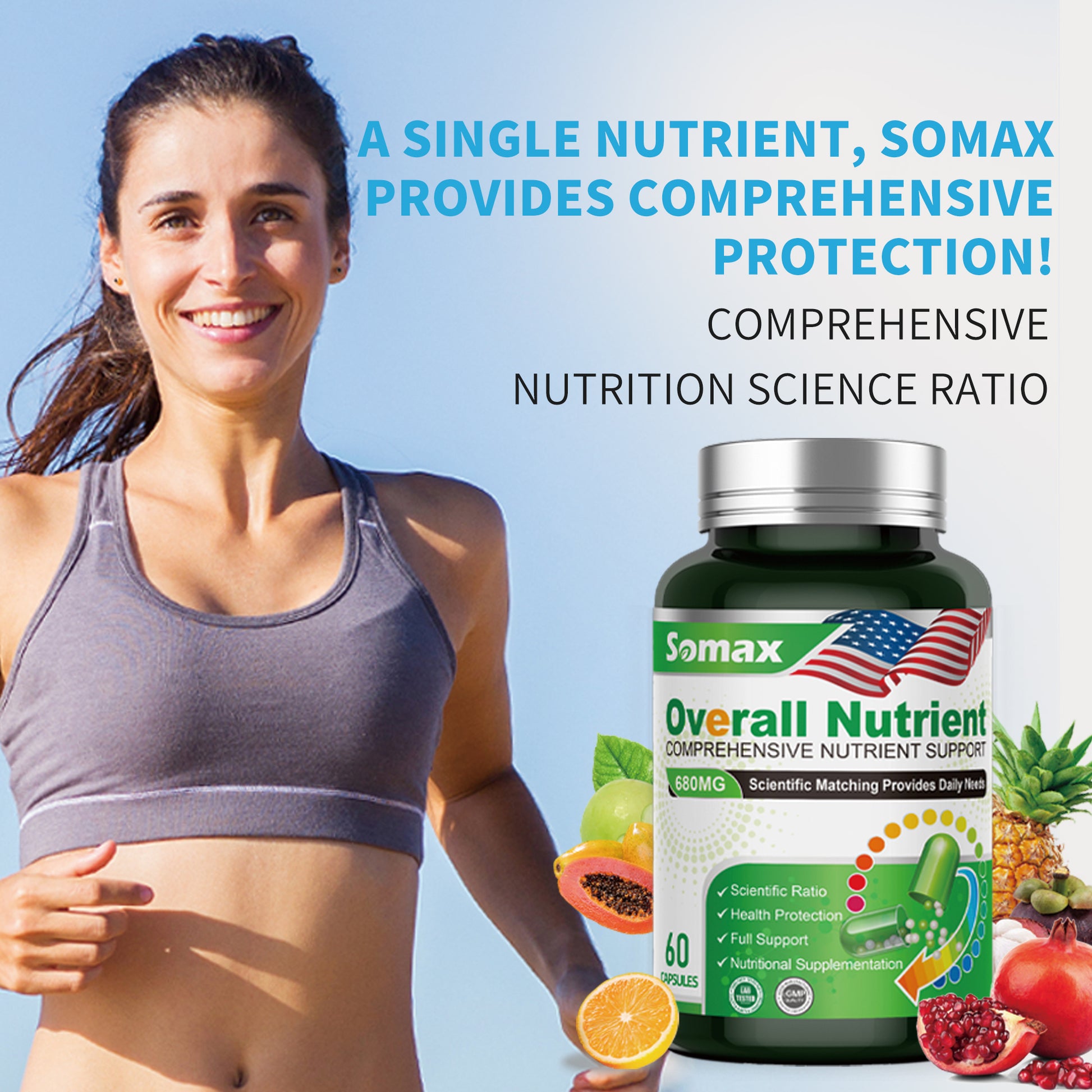
PureNutraHubs' Somax Overall Nutrient is produced in a US GMP-certified facility, with 680mg per capsule precisely combining Vitamin D3, B-complex, CoQ10, Zinc, Magnesium, and 12 other key nutrients. Active form ingredients, scientifically balanced dosages, and transparent labeling — designed specifically for the 30+ modern lifestyle. View Product Details →
9. Common Myths Corrected
❌ Myth 1: "I eat healthy, so I don't need supplements"
Even with a balanced diet, the nutritional density of modern food has significantly declined. More critically, certain nutrients (like vitamin D and CoQ10) are very difficult to obtain in adequate amounts through diet alone.
❌ Myth 2: "More expensive means better quality"
Price isn't the sole quality indicator. What matters is the ingredient form (active vs. synthetic), formula logic (synergistic design), and production certification (GMP/third-party testing).
❌ Myth 3: "Young people don't need CoQ10"
The body's CoQ10 synthesis capacity starts declining from your 20s. If you frequently feel fatigued, recover slowly from exercise, or have a family history of cardiovascular issues, starting CoQ10 supplementation at 30 is a wise choice.
Conclusion: 30 Is the Best Time to Start "Nutrition Investing"
Turning 30 isn't the start of aging — it's the golden starting line for health management. Your body still has powerful repair and adaptation capabilities, and with the right nutritional support, you can absolutely slow aging and maintain vitality. Systematic nutritional supplementation isn't "something for the elderly" — it's a fundamental health literacy for modern living.
Start building a scientific nutrition management plan for your body today. After all, the best return on health investment always comes from acting now.
📌 Key Takeaways
- After 30, basal metabolic rate declines 2-4% per decade, with nutrient absorption efficiency declining in parallel
- Vitamin D, Magnesium, CoQ10, Omega-3, B Vitamins, and Zinc are the six most commonly deficient nutrients in the 30+ population
- Modern food nutritional density has declined 15-40% — diet alone can no longer meet all needs
- Systematic supplementation outperforms random stacking — a layered architecture (Foundation + Functional + Situational) works best
- Choose products with GMP certification, active ingredient forms, and transparent labeling
📚 References
- National Institute on Aging (NIA). "Biology of Aging: Research Today for a Healthier Tomorrow." NIH Publication, 2023.
- Forrest, K.Y. & Stuhldreher, W.L. "Prevalence and correlates of vitamin D deficiency in US adults." Nutrition Research, 31(1), 48-54, 2011.
- USDA Economic Research Service. "Changes in Nutrient Content of the American Food Supply, 1950-2010." 2014.
- Littarru, G.P. & Tiano, L. "Bioenergetic and antioxidant properties of coenzyme Q10." Molecular Biotechnology, 37(1), 31-37, 2007.
- National Health and Nutrition Examination Survey (NHANES). "Dietary Supplement Use Among U.S. Adults." CDC/NCHS, 2017-2020.
- Bailey, R.L. et al. "Estimation of total usual calcium and vitamin D intakes in the United States." The Journal of Nutrition, 140(4), 817-822, 2010.
- World Health Organization. "Guidelines on Food Fortification with Micronutrients." WHO, 2006.