The very act of reading this article — staring at a screen — is part of the problem. Studies show that American adults spend an average of over 10.5 hours per day in front of various screens. This isn't just a number — it means your eyes are bombarded by billions of blue light photons, making tens of thousands of micro-focus adjustments, and experiencing continuous tear evaporation every single day. Over time, the consequences go far beyond "dry eyes."
Modern adults spend over 10 hours daily on screens — blue light exposure has become the #1 threat to eye health
1. Blue Light: The Invisible Threat All Around Us
Blue light refers to high-energy, short-wavelength light in the visible spectrum, ranging from 380 to 500 nanometers. It naturally exists in sunlight, and humans have coexisted with it for thousands of years. The problem, however, is that LED screens and energy-efficient lighting emit blue light at intensities far higher than what natural light contains — and we sit just inches away from these artificial light sources.
Three Mechanisms of Blue Light Damage
Blue light damages the eyes not through a single pathway, but through three synergistic mechanisms:
🌊 Mechanism 1: Retinal Photo-oxidative Damage
High-energy blue light penetrates the cornea and lens, reaching the retina directly. There, it activates lipofuscin in photoreceptor cells, generating large amounts of reactive oxygen species (ROS). These free radicals attack retinal pigment epithelium (RPE) cells and are a known risk factor for age-related macular degeneration (AMD).
👁 Mechanism 2: Tear Film Destabilization
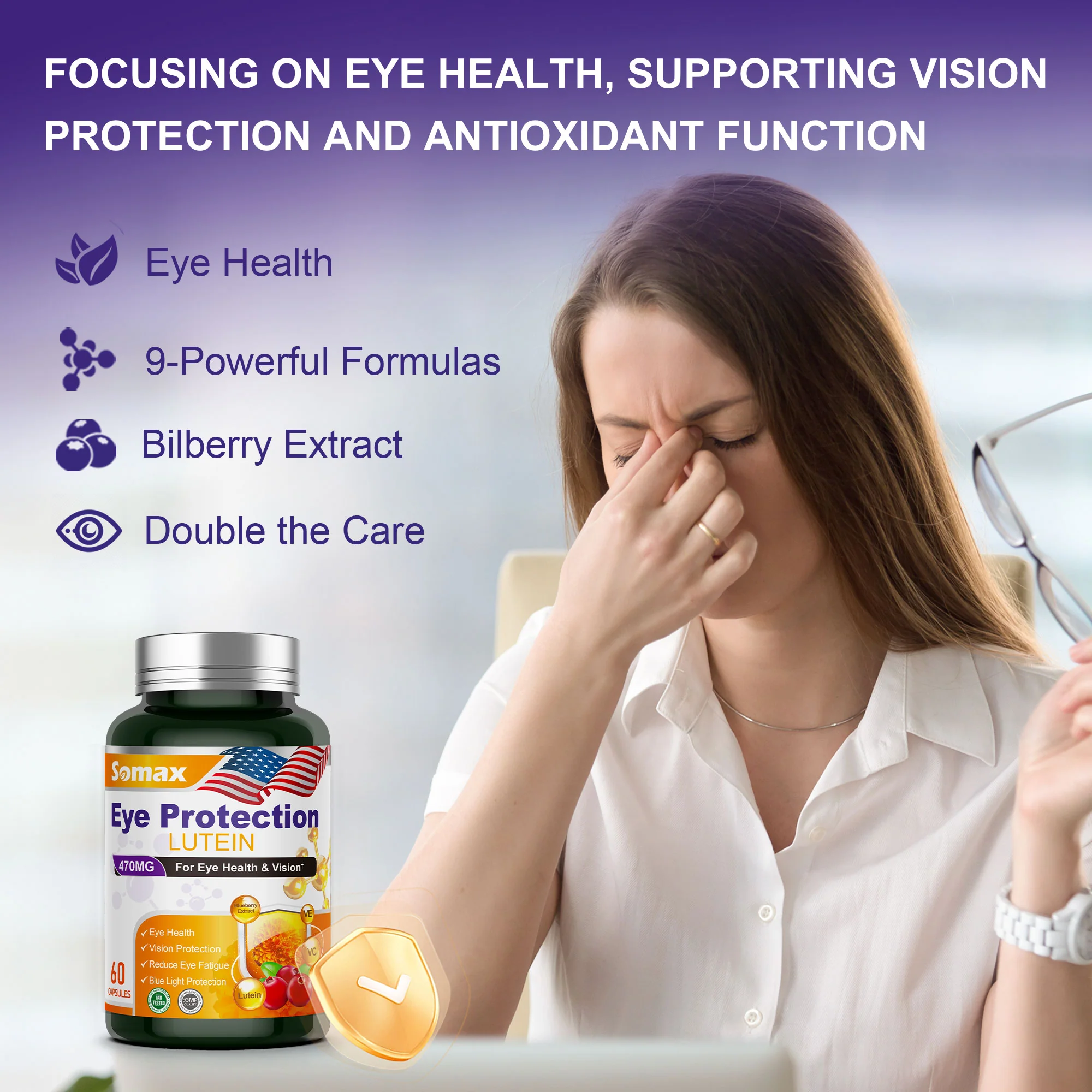
During prolonged screen use, blink rate drops from the normal 15-20 times per minute to just 4-5 times. This accelerates tear evaporation and increases corneal exposure, triggering dry eye symptoms. Research shows that after 2 hours of continuous screen use, tear break-up time (TBUT) decreases by an average of 40%.
🔄 Mechanism 3: Sustained Ciliary Muscle Spasm
Close-range viewing forces the ciliary muscle to contract continuously to maintain focus. Prolonged tension without relaxation leads to "accommodative spasm," manifesting as blurred vision, forehead pressure, and difficulty shifting focus. This is why distant objects may look uncomfortable after a long day at work.
2. Your Eyes' Built-in "Blue Light Filter": Macular Pigment
The human body actually comes equipped with an elegant blue light defense system — macular pigment. The macula, located at the center of the retina, is the region responsible for the sharpest vision. Macular pigment is composed of three carotenoids:
Lutein
The primary component of macular pigment, concentrated in the peripheral macular area — the first line of defense against blue light
Zeaxanthin
Concentrated in the fovea (central macula), protecting the area of sharpest vision with powerful antioxidant properties
Meso-Zeaxanthin
Converted from lutein within the body, filling the intermediate macular zone to form a complete protective barrier
These three pigments form a golden "shield" over the macula surface, capable of absorbing up to 90% of blue light while neutralizing free radicals generated by photo-oxidation. However, the human body cannot synthesize these carotenoids on its own — they must come entirely from diet or supplements.
3. AREDS2: The Landmark Study That Changed Eye Nutrition
The most authoritative evidence on eye nutrition comes from the AREDS2 study (Age-Related Eye Disease Study 2), led by the National Eye Institute (NEI). This large-scale randomized controlled trial, spanning 5 years and enrolling 4,203 participants, established the gold standard for evidence-based eye nutrition supplementation.
📈 AREDS2 Key Findings
- Daily supplementation with Lutein 10mg + Zeaxanthin 2mg reduced the risk of progression to advanced AMD by approximately 25%
- The lutein/zeaxanthin formula outperformed the previously used beta-carotene, with a better safety profile
- Combined supplementation with Vitamin C (500mg), Vitamin E (400 IU), and Zinc (80mg) enhanced results further
- The benefits were most pronounced in individuals with low macular pigment optical density (MPOD)
4. Beyond Lutein: The Complete Eye Nutrition Matrix
Lutein is the "star ingredient" for eye health, but truly comprehensive eye protection requires a synergistic nutrition matrix. Here are the clinically validated core eye nutrition components:
| Nutrient | Key Function | Recommended Dose | Food Sources |
|---|---|---|---|
| Lutein | Blue light filtration, macular protection | 10-20mg/day | Spinach, kale, corn |
| Zeaxanthin | Foveal protection, antioxidant | 2-4mg/day | Goji berries, orange peppers, egg yolks |
| Bilberry Extract | Microcirculation, dark adaptation | 80-160mg/day | Bilberries, blueberries (concentrated supplements preferred) |
| DHA (Omega-3) | Retinal structural component, anti-inflammatory | 250-500mg/day | Fatty fish, algal oil |
| Astaxanthin | Potent antioxidant, ciliary muscle fatigue relief | 4-12mg/day | Salmon, shrimp (supplement-sourced) |
| Vitamin A | Rhodopsin synthesis, night vision | 700-900mcg/day | Carrots, sweet potatoes, liver |
| Zinc | Retinal metabolism cofactor | 15-25mg/day | Oysters, beef, pumpkin seeds |
Bilberry Extract: The Secret Weapon for Night Vision
Bilberry has a long history in European eye care traditions. Legend has it that during World War II, British Royal Air Force pilots consumed large amounts of bilberry jam before nighttime bombing missions to improve their night vision. While the veracity of this story is debated, modern research has indeed confirmed the positive effects of bilberry anthocyanins on retinal microcirculation and dark adaptation.
Anthocyanins in bilberry extract support eye health through the following pathways:
- Accelerate rhodopsin regeneration, improving visual adaptation in low-light conditions
- Strengthen the elasticity and permeability of retinal capillary walls, enhancing ocular microcirculation
- Scavenge free radicals, reducing photo-oxidative stress damage to photoreceptor cells
- Inhibit aldose reductase activity, helping to slow glycation of lens proteins
5. Complete Strategy for Digital Eye Strain (DES)
Digital Eye Strain (DES), also known as Computer Vision Syndrome (CVS), is a group of visual and ocular symptoms caused by prolonged use of digital devices. According to the American Optometric Association (AOA), 65% of American adults have experienced DES symptoms.
Six Classic Symptoms of DES
Dry Eyes
Reduced blink rate destabilizes the tear film, increasing corneal surface exposure
Burning & Soreness
A combined result of ocular surface inflammation and ciliary muscle fatigue
Blurred Vision
Accommodative spasm causes difficulty shifting focus between near and far distances
Headaches & Forehead Pressure
Referred pain caused by excessive tension in the extraocular and ciliary muscles
Neck & Shoulder Stiffness
Chronic muscle tension from poor screen-viewing posture
Reduced Sleep Quality
Nighttime blue light suppresses melatonin secretion, disrupting circadian rhythm
The Science-Based Solution: 20-20-20 Rule + Nutritional Support
Relieving digital eye strain requires a dual approach — behavioral adjustments and nutritional support working together:
✅ The 20-20-20 Rule
Every 20 minutes of screen use, shift your gaze to an object at least 20 feet (~6 meters) away for 20 seconds. This simple habit effectively relaxes the ciliary muscle and reduces accommodative fatigue. Combine with conscious blinking exercises (blink rapidly 20 times every 20 minutes) to simultaneously improve tear film stability.
- Adjust screen position — The top of your screen should be at or slightly below eye level, with a viewing angle of about 15-20 degrees downward. Maintain a screen distance of 50-70cm (arm's length).
- Optimize ambient lighting — Room brightness should be about 3 times your screen brightness. Avoid strong light sources directly behind the screen to minimize glare.
- Use eye comfort mode — Enable your device's "Night Shift" or "Eye Comfort" mode to reduce blue light emission. Especially important after 8 PM.
- Maintain moisture — Use a humidifier to keep indoor humidity at 40-60%, reducing the drying effect of air conditioning on your tear film.
- Nutritional supplementation — Take a daily combination of lutein + zeaxanthin + bilberry extract to strengthen your eyes' antioxidant defenses from the inside.
6. Personalized Advice for Different Screen Scenarios
💻 Programmers/Designers (8+ hours daily screen time)
For high-intensity screen users, we recommend Lutein 20mg/day + Bilberry Extract 160mg/day. Combine with brief breaks every 30 minutes and regular distance gazing. Consider blue light filtering glasses (lenses filtering 30-40% of blue light are recommended — higher filtering ratios may affect color perception accuracy).
📱 Heavy Smartphone Users (social media/entertainment)
Smaller screens and closer viewing distances place even more strain on the ciliary muscle. Limit continuous use sessions to 30 minutes, increase font size settings, and always enable eye comfort mode at night. Lutein 10mg/day combined with DHA 250mg/day is recommended.
🎓 Students (online classes + homework)
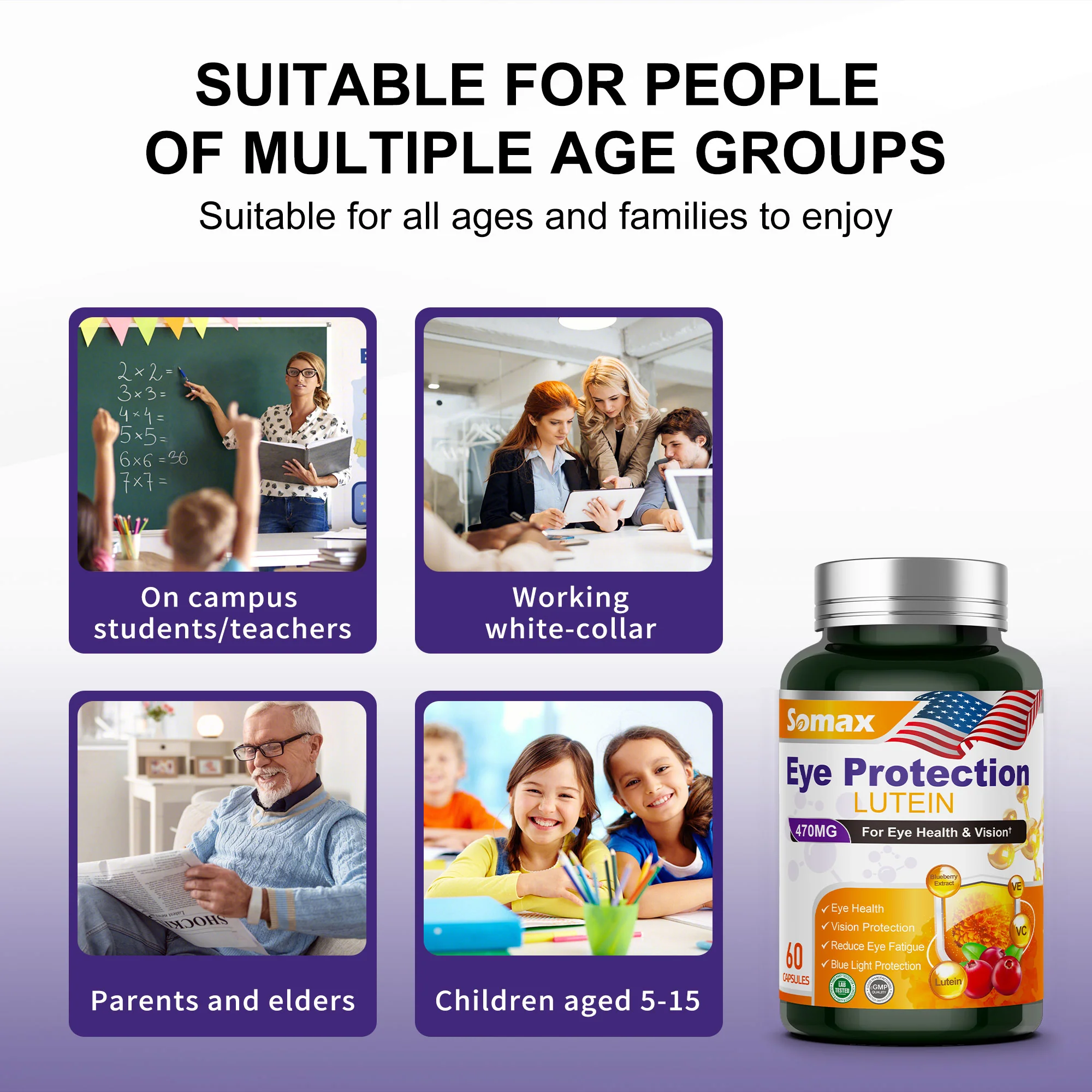
Young people have more transparent lenses, allowing greater blue light penetration than adults. Parents should strictly limit screen time and ensure at least 2 hours of outdoor activity daily (the red and green light in natural sunlight benefits myopia control). Lutein 5-10mg/day is suggested.
Annual comprehensive eye exams are recommended, especially for heavy screen users and those over 40
7. Best Practices for Lutein Supplementation
While lutein is found in many foods, dietary intake alone often falls short. Research shows that the average daily dietary lutein intake for American adults is just 1-2mg, far below the AREDS2-recommended 10mg.
Five Keys to Choosing a Lutein Supplement
- Lutein-to-Zeaxanthin ratio — The AREDS2-validated optimal ratio is 5:1 (10mg:2mg), adopted by most high-quality products as the standard
- Free-form Lutein — Has higher bioavailability than ester-form lutein, requiring no additional enzymatic breakdown
- FloraGLO source — Natural lutein extracted from marigold flowers, with consistent quality and the same source material used in the AREDS2 study
- Take with fat — Lutein is a fat-soluble nutrient; taking it with meals (particularly those containing healthy fats) maximizes absorption
- Commit to consistency — Significant improvement in macular pigment density typically requires 3-6 months of continuous supplementation — it doesn't happen overnight
🏆 Somax Eye Protection Lutein Formula
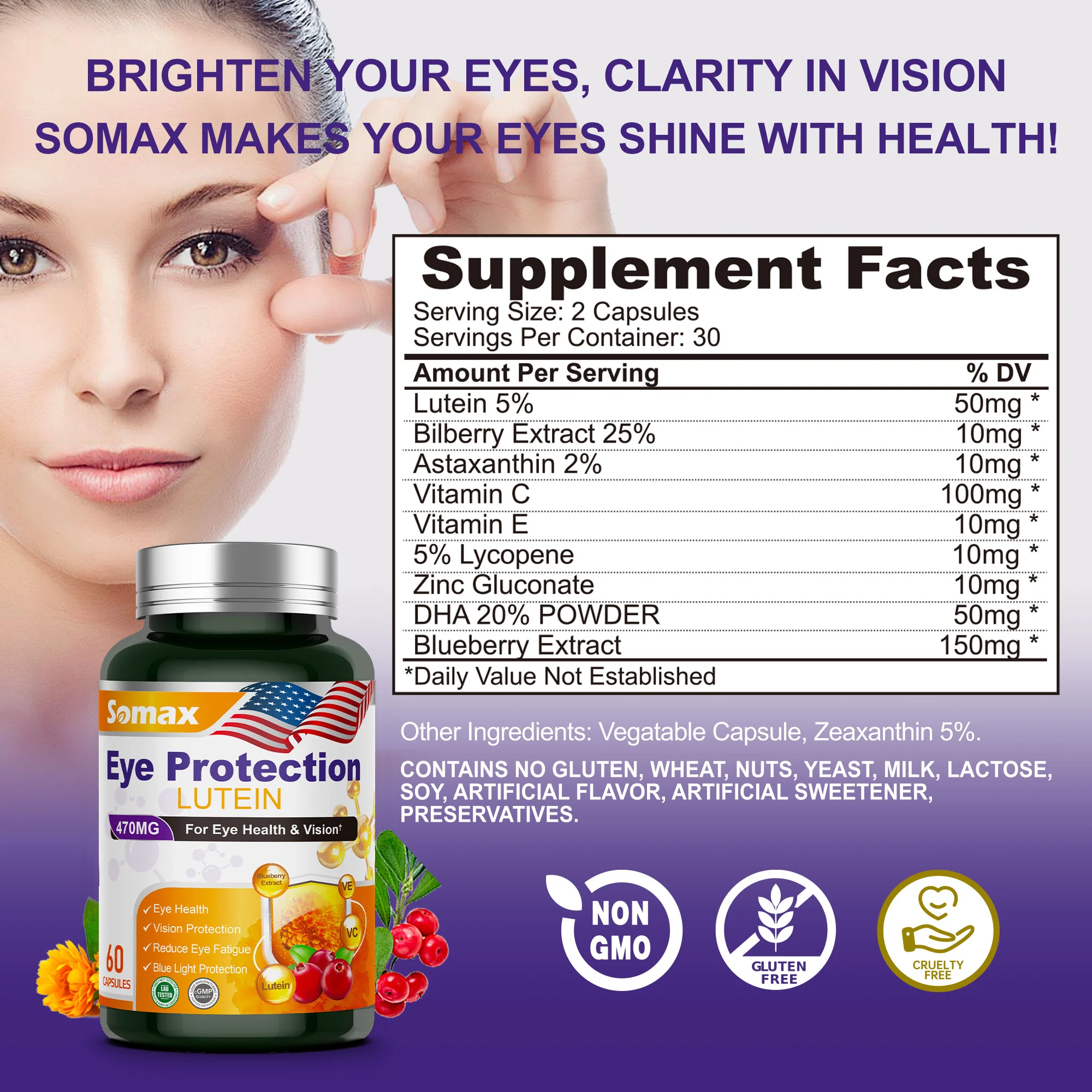
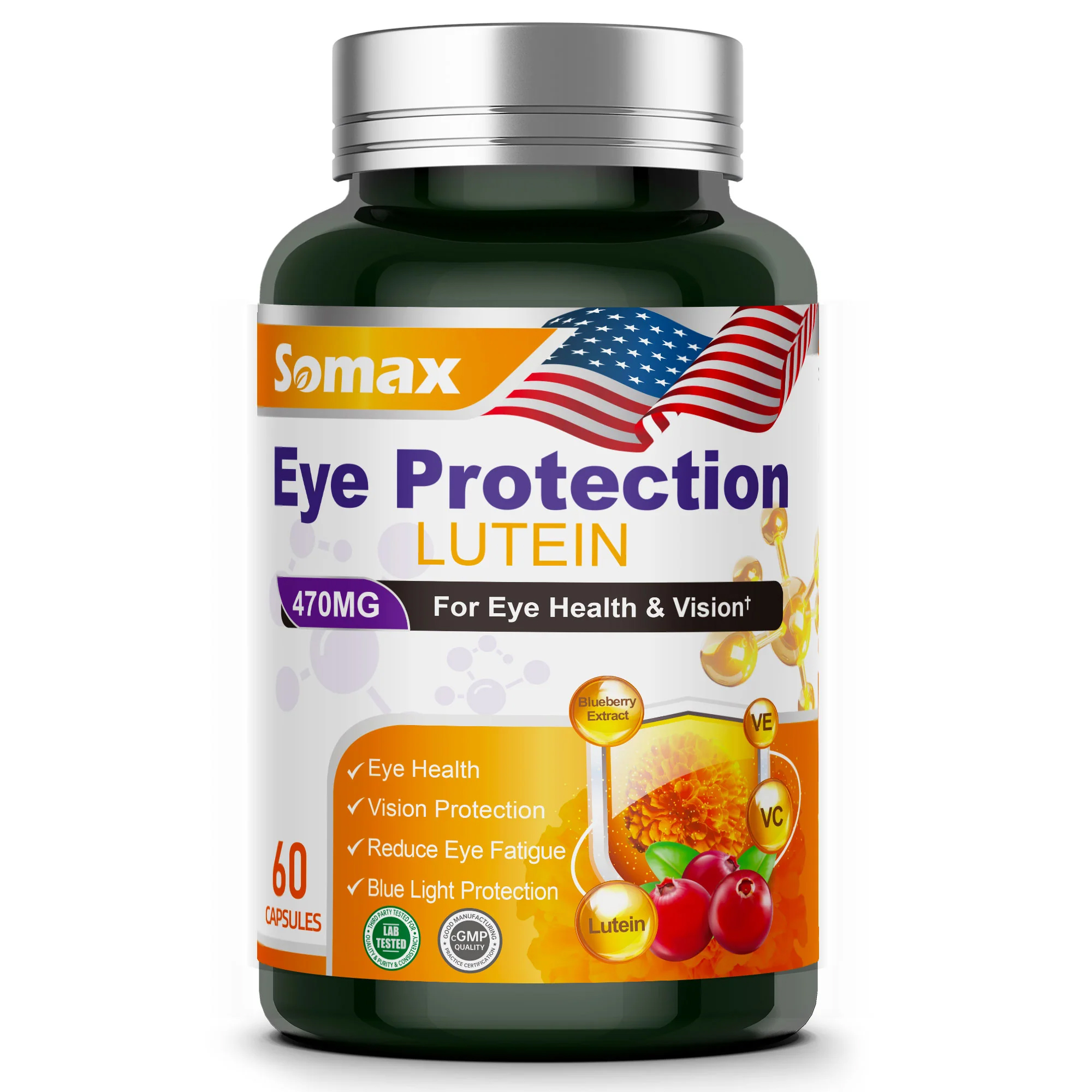
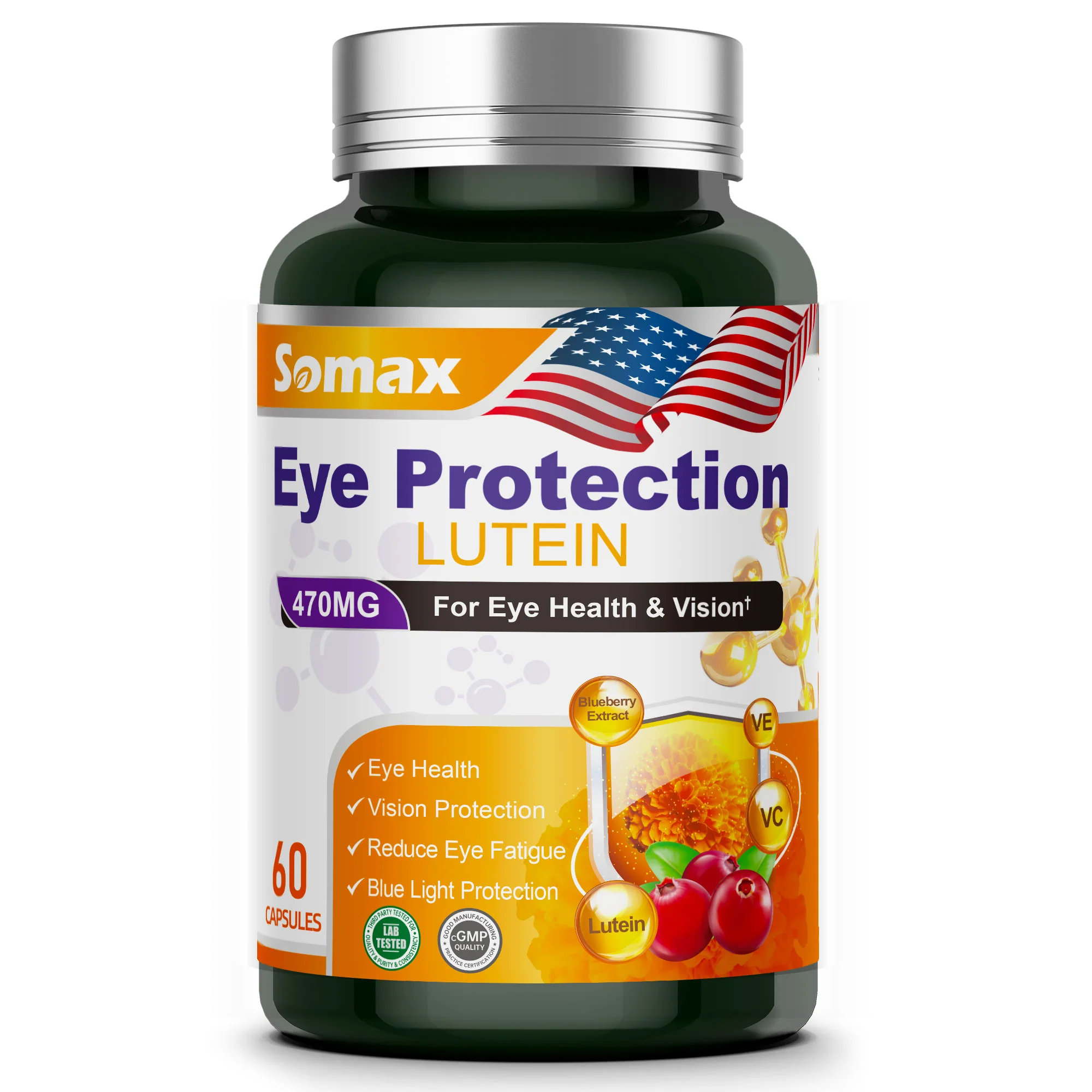
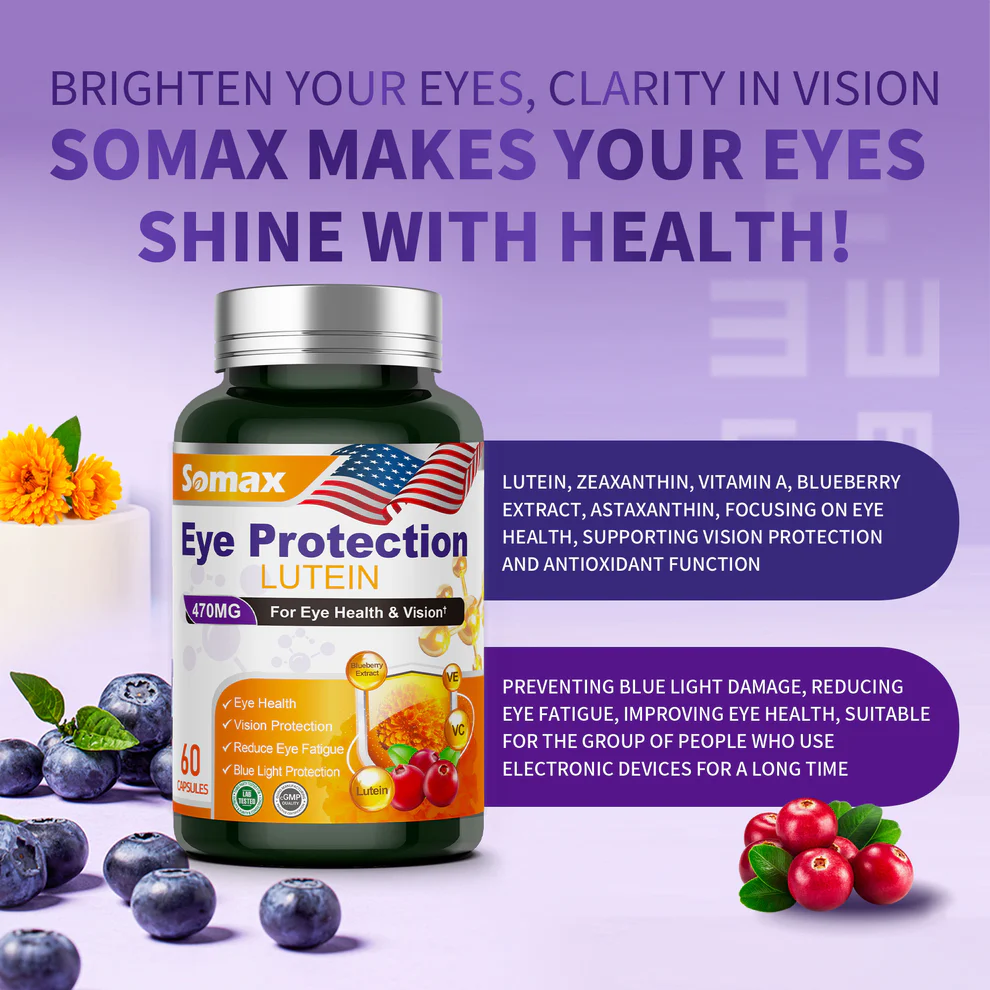
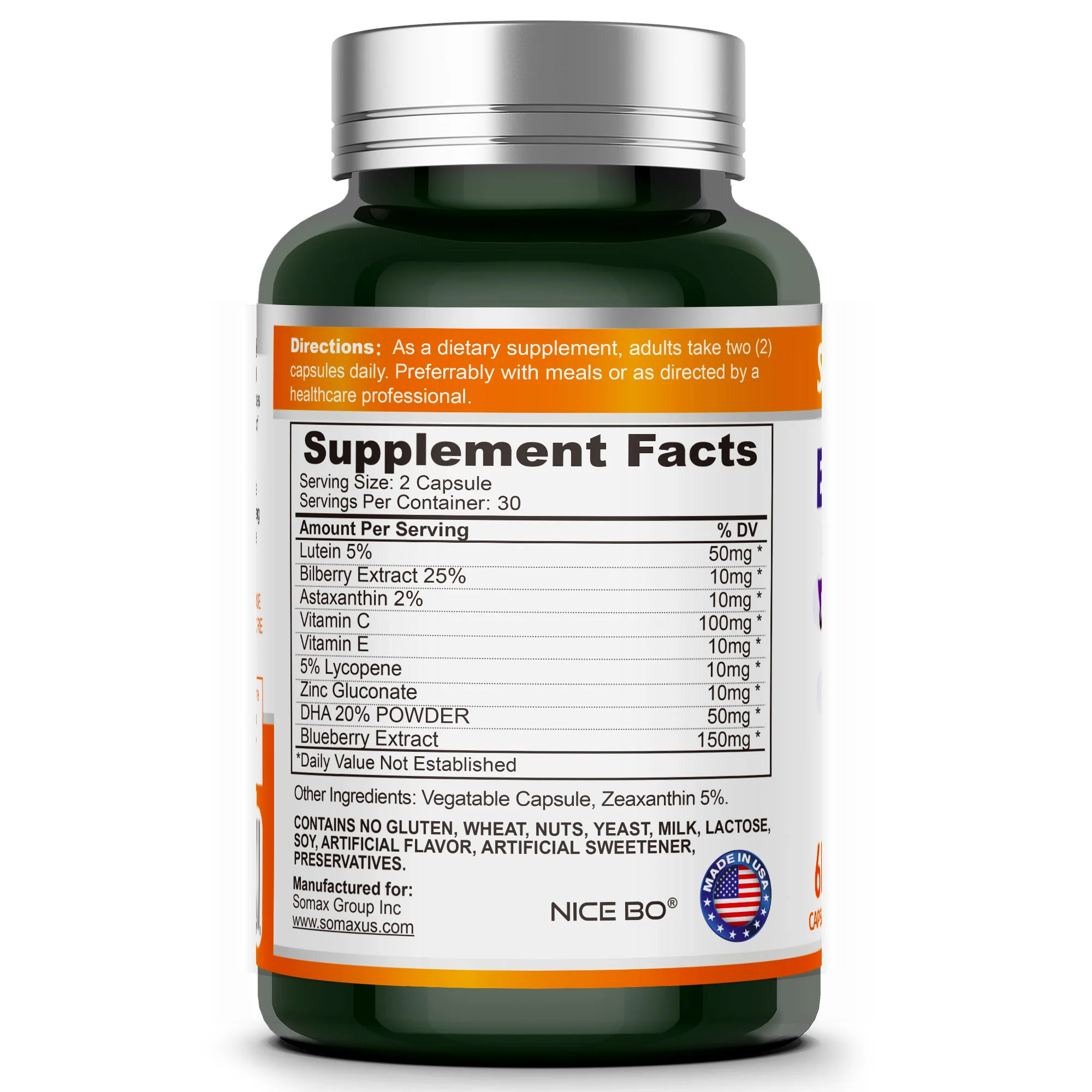
PureNutraHubs' Somax Eye Protection Lutein features an enhanced formula with Lutein 20mg + Zeaxanthin 4mg (2x the AREDS2 recommendation), combined with Bilberry Extract 100mg, DHA, Astaxanthin, and Vitamin A to form a complete eye nutrition matrix. Made with free-form lutein at a US GMP-certified facility. Learn more about the product →
8. Often-Overlooked Eye Health Habits
Beyond nutrition and screen hygiene, these lifestyle habits are equally critical for eye health:
💤 Adequate Sleep
During sleep, the eyes receive proper rest and lubrication, and tear production returns to normal levels. Insufficient sleep (<6 hours) significantly increases the incidence of dry eye symptoms.
💧 Stay Hydrated
Systemic dehydration directly affects tear quality and volume. Aim for 2,000-2,500ml of water daily, increasing slightly in air-conditioned environments.
☀ 2 Hours Outdoors Daily
The full spectrum of natural sunlight helps regulate eye development and circadian rhythm. Multiple large-scale studies confirm that 2+ hours of daily outdoor activity reduces the risk of myopia onset and progression.
"Our eyes were designed for outdoor life, not for staring at small glowing screens all day. The best thing you can do for your eyes is give them enough rest, proper nutrition, and adequate natural light." — Dr. Jeffrey Anshel, OD, Author of Visual Ergonomics Handbook
Conclusion: Eye Care Is a Long-Term Investment
Eye health is directly linked to our quality of life. In an era where screens are everywhere, eye care is no longer optional — it's essential for every modern individual. The good news is that by adjusting your screen habits and supplementing with key eye nutrition starting today, your eyes will receive real, measurable protection.
Lutein and zeaxanthin supplementation may not deliver overnight results like cold medicine, but they are steadily building an invisible "blue light shield" over your macula, day by day. After 3-6 months, your macular pigment density will increase significantly — and this inner protection will serve your vision for decades to come.
📌 Key Takeaways
- LED screen blue light intensity far exceeds natural light — 10+ hours of daily screen exposure poses a continuous threat to your retina
- Macular pigment (lutein + zeaxanthin) is your body's natural blue light filter, but it must be obtained externally
- The AREDS2 study confirmed that Lutein 10mg + Zeaxanthin 2mg reduces AMD progression risk by 25%
- A complete eye care plan = 20-20-20 rule + environment optimization + nutrition supplementation + adequate outdoor activity
- Lutein supplementation requires 3-6 months of consistency to significantly improve macular pigment density
📚 References
- Age-Related Eye Disease Study 2 Research Group. "Lutein + zeaxanthin and omega-3 fatty acids for age-related macular degeneration." JAMA, 309(19), 2005-2015, 2013.
- Sheppard, A.L. & Wolffsohn, J.S. "Digital eye strain: prevalence, measurement and amelioration." BMJ Open Ophthalmology, 3(1), e000146, 2018.
- Bernstein, P.S. et al. "Lutein, zeaxanthin, and meso-zeaxanthin: The basic and clinical science underlying carotenoid-based nutritional interventions against ocular disease." Progress in Retinal and Eye Research, 50, 34-66, 2016.
- American Optometric Association. "Computer Vision Syndrome (Digital Eye Strain)." AOA Clinical Practice Guideline, 2022.
- Nolan, J.M. et al. "Enrichment of macular pigment enhances contrast sensitivity in subjects free of retinal disease." Investigative Ophthalmology & Visual Science, 57(7), 3429-3439, 2016.
- Chu, W. et al. "Bilberry (Vaccinium myrtillus L.): Bioactive compounds and health benefits." Food Research International, 150, 110765, 2021.