Walk into any Costco, Whole Foods, or CVS supplement aisle in America, and you'll face an overwhelming scene: hundreds of bottles neatly lined up, every brand claiming to be "the best choice." In this massive market worth over $60 billion annually, genuinely high-quality products and beautifully packaged "placebos" often stand side by side. How do you make wise decisions amid the information flood? This guide provides you with a systematic screening framework.
When facing hundreds of choices, mastering core evaluation criteria matters more than following trends
1. The Reality of the U.S. Supplement Market
The United States is the world's largest dietary supplement market. According to Nutrition Business Journal data, the U.S. supplement market surpassed $60 billion in 2025, with vitamins and minerals accounting for about 35%, herbal and botanical extracts about 20%, and sports nutrition about 15%. Each year, over 77% of American adults take at least one dietary supplement.
However, the regulatory logic of this market differs significantly from what most consumers assume. Many people believe supplements undergo the same rigorous FDA approval process as prescription drugs before hitting shelves — but that's not the case.
⚠ The FDA Regulatory Truth You Need to Know
Under the Dietary Supplement Health and Education Act (DSHEA) passed in 1994, dietary supplements in the U.S. are classified as "food" rather than "drugs." This means: supplements do not require FDA pre-approval before going to market — companies are responsible for their own product safety and label accuracy. The FDA only monitors products after they're on the market, primarily intervening when safety complaints arise. In other words, product quality in the marketplace largely depends on corporate self-regulation.
Because of this "market first, regulate later" model, consumers' own ability to evaluate products becomes critically important. Let's start with the most fundamental skill — how to read that small label on the supplement bottle.
2. Reading the Supplement Facts Label: Your First Line of Defense
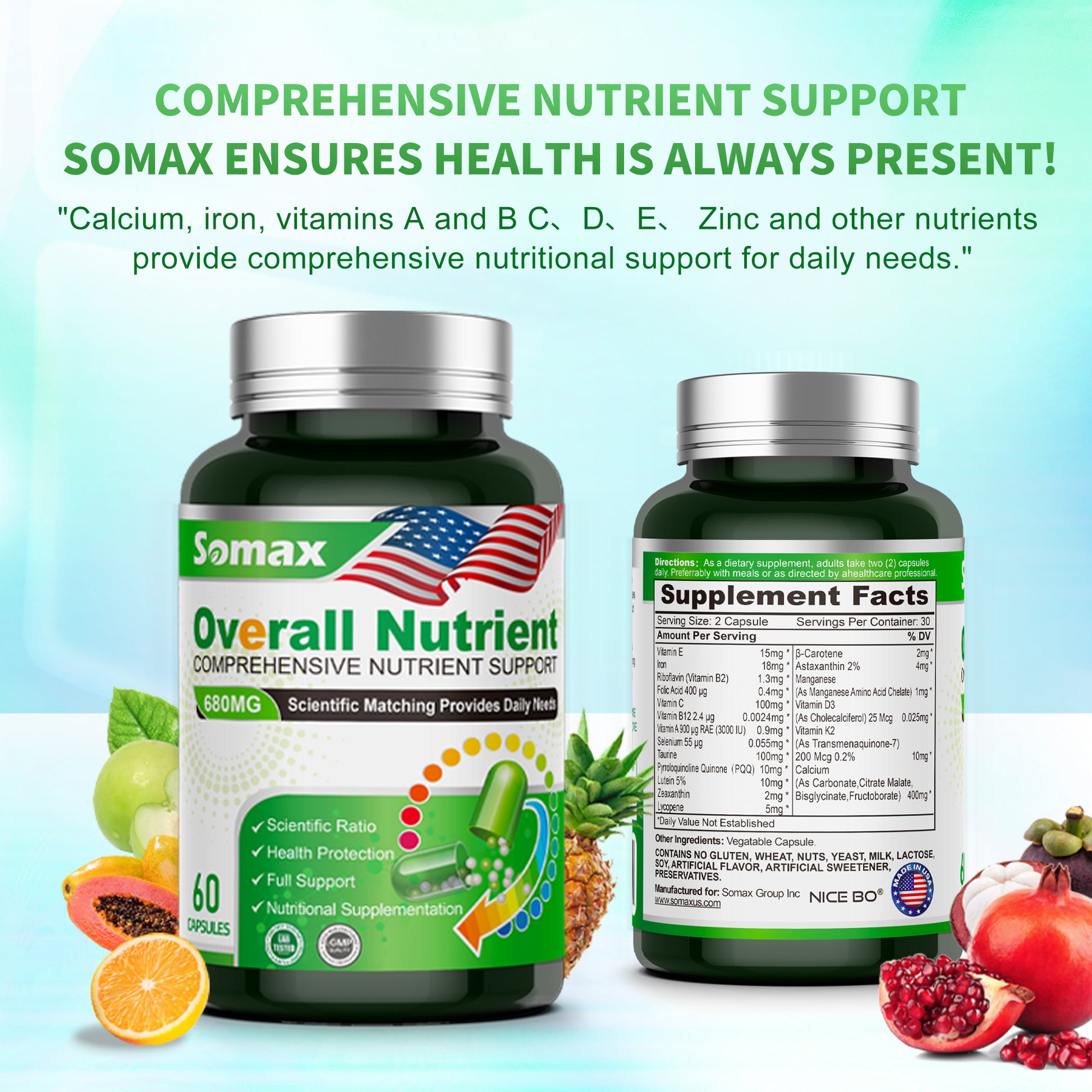
The Supplement Facts label is the most direct source of information for evaluating product quality
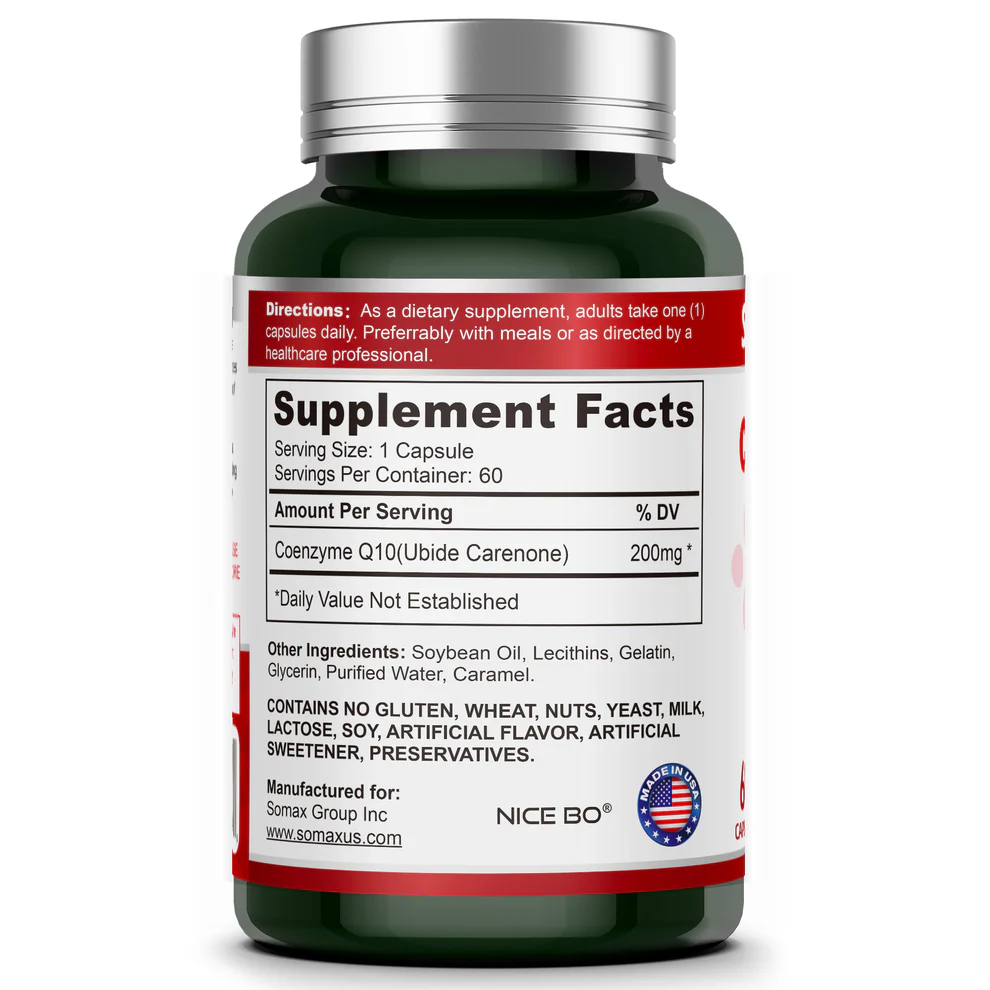
Every compliant U.S. supplement must carry a Supplement Facts panel. This seemingly simple label actually contains a wealth of critical information. Learning to read it gives you the first core skill for screening products.
- Serving Size — Note this shows "per serving," not "per capsule." Some products list 1000mg of Vitamin C per serving, but the Serving Size is 3 capsules, meaning you need to take 3 to get the stated dose. This is one of the most common "data traps."
- Amount Per Serving — The actual content of each ingredient. Pay attention to unit differences: mg (milligrams), mcg (micrograms), and IU (International Units) are all different. For example, 400 IU of Vitamin D3 equals 10 mcg — don't be misled by the numbers alone.
- % Daily Value (%DV) — Based on the FDA's recommended daily intake. 100% means one serving meets the entire daily requirement. B vitamins often show 1000%+ — this isn't excessive, since water-soluble vitamins are excreted when in surplus. However, fat-soluble vitamins (A, D, E, K) require caution against long-term overconsumption.
- Other Ingredients — This section lists inactive ingredients, including capsule shell materials, fillers, and preservatives. Quality products should have a short "Other Ingredients" list, avoiding artificial colors, titanium dioxide, and excessive use of controversial excipients like magnesium stearate.
- Ingredient Order — Listed from highest to lowest content. If a product marketed as "high-potency CoQ10" lists CoQ10 near the bottom of the ingredient list, the actual amount is likely negligible.
💡 Core Label Reading Strategy
Always check Serving Size first, then Amount Per Serving, and finally compare against %DV. These three steps let you determine whether a product's dosing is effective and reasonable. If a product's key ingredient shows only 5-10% DV, it's almost certainly just "token inclusion."
3. GMP Certification & Third-Party Testing: The Hard Metrics of Quality
If the label is a product's "self-description," then GMP certification and third-party testing are independent "quality endorsements." These two criteria are the most reliable standards for distinguishing legitimate brands from low-quality operations.
GMP Certification (Good Manufacturing Practice)
GMP — Good Manufacturing Practice — is the FDA's mandatory requirement for dietary supplement production facilities (fully enforced since 2010). GMP certification ensures that raw material controls, production environment, equipment cleanliness, and batch testing meet established standards. However, note that GMP has different "tiers" — the FDA's basic GMP is the minimum threshold, while NSF International and NPA (Natural Products Association) GMP certifications have stricter audit standards.
The Three Major Third-Party Testing Organizations
NSF International
One of the world's strictest dietary supplement certifications. The NSF Certified for Sport program is recognized by the NFL, MLB, and other professional sports leagues, ensuring products are free of banned substances and that actual content matches labels
USP (United States Pharmacopeia)
An authoritative institution with over 200 years of history. The USP Verified mark means a product has passed four-tier testing for ingredient content, purity, dissolution, and contaminants (heavy metals, microorganisms)
ConsumerLab
An independent third-party review platform that regularly spot-tests commercially available supplements. Their reports frequently reveal significant discrepancies between actual content and labels of some well-known brands
📚 Certification Verification Tips
✓ Authentic certification: A certification number should be findable on the bottle or website, verifiable on the certifying body's official site
✓ GMP ≠ FDA approval: GMP is a manufacturing practice certification — it does not mean the FDA has reviewed the product's efficacy
✗ Beware of fake logos: Some brands use similar but unofficial certification icons — always cross-verify on the certifying organization's website
✗ "FDA Certified" doesn't exist: There is no such thing as "FDA certified" or "FDA approved" supplements in America. Any brand claiming to be "FDA certified" is misleading consumers
4. Active Forms vs. Synthetic Forms: The Key to Absorption Efficiency
Two Vitamin B12 products, both labeled 500 mcg, can have vastly different real-world effects — the difference lies in the ingredient's "form." This is a factor most consumers completely overlook, yet it has one of the biggest impacts on product value.
| Nutrient | Synthetic / Low-Efficiency Form | Active / High-Efficiency Form | Key Difference |
|---|---|---|---|
| Folate (B9) | Folic Acid | 5-MTHF / Methylfolate | ~40% of people carry MTHFR gene variants and cannot efficiently convert synthetic folic acid to the active form |
| Vitamin B12 | Cyanocobalamin | Methylcobalamin | Methyl B12 is the form directly used by the body, requiring no additional metabolic conversion steps |
| CoQ10 | Ubiquinone (oxidized) | Ubiquinol (reduced) | Ubiquinol bioavailability is 3-8x higher than Ubiquinone, especially noticeable for those over 40 |
| Magnesium | Magnesium Oxide | Magnesium Glycinate / Citrate | Magnesium Oxide absorption rate is only ~4%, while Glycinate reaches 20-30% |
| Vitamin D | Vitamin D2 (Ergocalciferol) | Vitamin D3 (Cholecalciferol) | D3 is approximately twice as effective as D2 at raising serum 25(OH)D levels |
| Zinc | Zinc Oxide | Zinc Picolinate / Bisglycinate | Chelated zinc has significantly higher absorption rates than zinc oxide |
✅ Shopping Recommendation
Flip to the Supplement Facts label and check the specific form noted in parentheses after each ingredient. If a multivitamin uses exclusively low-cost forms like Magnesium Oxide, Cyanocobalamin, and synthetic Folic Acid, even at a low price, the effective dosage reaching your body is drastically reduced. True value isn't about the price tag — it's about "how much active ingredient per dollar actually gets absorbed."
5. The "Proprietary Blend" Trap
When browsing supplement labels, you may encounter something like this:
"Proprietary Energy Blend 500mg: Green Tea Extract, Guarana, Ginseng, L-Tyrosine, B12..." — Example label from a typical energy complex product
This is a "Proprietary Blend." Its defining feature is that only the total weight of the mixture (e.g., 500mg) is disclosed, but the specific amounts of each individual ingredient are not. Brands typically justify this labeling by citing "trade secret protection."
❌ Three Problems with Proprietary Blends
Problem 1: You can't verify effective dosing — A 500mg blend containing 5 ingredients could be 490mg of Green Tea Extract + 2.5mg each of the other four. You have no way of knowing whether key ingredients reach clinically effective doses.
Problem 2: Brands can alter ratios at will — Without changing the label, brands can change the proportion of ingredients between batches — as long as the total weight remains the same, it's compliant.
Problem 3: May hide low-cost fillers — Cheap bulk ingredients can serve as the "base" while expensive active ingredients are added in trace amounts — consumers have no way to detect this.
A Full Disclosure Label is the opposite of a Proprietary Blend — it clearly lists the specific amount of every single ingredient, allowing consumers to judge whether dosages are reasonable. More and more responsible brands are voluntarily adopting transparent labeling because the message it sends is clear: we're confident in our formula and have nothing to hide.
💡 A Simple Decision Rule
If a product label shows "Proprietary Blend" and refuses to disclose individual ingredient amounts, proceed with caution. Prioritize products with transparent labels where every ingredient's dosage is clearly verifiable. At PureNutraHubs, we maintain a 100% transparent labeling policy — every Somax product fully discloses the precise amounts of all ingredients, because we believe consumers have the right to know exactly what they're taking.
6. Identifying Common Marketing Scams
Independent third-party testing is the most reliable means of verifying product quality — far more trustworthy than marketing rhetoric
The supplement industry is rife with marketing tactics. Here are the most common patterns to watch out for:
Scam 1: Overstated Health Claims
According to U.S. FTC (Federal Trade Commission) regulations, dietary supplements are not allowed to claim they can "treat, cure, or prevent" any disease. If a brand claims its supplement can "cure diabetes," "eliminate cancer," or "reverse aging," this isn't just exaggeration — it's illegal. Compliant claims use structure/function language like "supports," "maintains," or "promotes," accompanied by the FDA disclaimer.
Scam 2: Fake Certifications and Pseudoscientific Endorsements
Some brands print official-looking "certification" marks on their packaging, but these organizations either don't exist or are shell entities registered by the brand itself. Others cite "clinical studies" backing their products, but these studies may have extremely small sample sizes (fewer than 20 people), lack peer review, or be brand-funded with undisclosed conflicts of interest.
Scam 3: Ineffective Doses of "Star Ingredients"
Labels list a long string of trendy ingredients (resveratrol, NMN, astaxanthin, etc.), but the amount of each is far below the effective dose used in clinical research. This practice is known in the industry as "Fairy Dusting" — the ingredient list looks impressive, but the actual effect is essentially zero.
- Red flag: Claims to "cure everything in one bottle" or "see results in 7 days" — genuine nutritional supplementation is a gradual process
- Red flag: Uses vague claims like "doctor recommended" or "#1 in America" without verifiable sources
- Red flag: Sold exclusively on social media with no official website or verifiable production information
- Red flag: Priced far below comparable products — raw materials, testing, and certifications have real costs
- Red flag: Over-reliance on "before/after" comparison photos and celebrity endorsements, lacking ingredient-level information
- Red flag: Customer service can't answer specific questions about ingredient sourcing, manufacturing facility, or testing reports
🏆 Six Hallmarks of a Trustworthy Brand
✓ Owns or partners with GMP-certified manufacturing facilities
✓ Proactively provides or can supply third-party testing reports upon request
✓ Uses transparent labeling disclosing exact amounts of all ingredients
✓ Makes conservative, compliant health claims with FDA disclaimers
✓ Has a professional customer service team that can answer ingredient and manufacturing questions
✓ Product formulas are based on published scientific literature, not invented concepts
7. Building Your Personal Supplement Plan
With all the screening criteria above in mind, the ultimate question remains: what should I actually take? At what dosage? How do I combine them? Here's an actionable five-step framework:
- Assess your baseline — If possible, get a comprehensive nutrient blood panel (including Vitamin D, B12, ferritin, magnesium, homocysteine, etc.). This transforms your supplement plan from "guessing" to "precision." Many primary care physicians can order these tests.
- Start with the foundation layer — Without blood work, starting with a high-quality multivitamin/mineral is the safest strategy. It covers most common nutritional gaps, forming the "base" for your entire supplement system. Prioritize products using active ingredient forms.
- Add functional layers based on personal needs — Frequently fatigued? Consider adding CoQ10. Spending long hours at a computer? Lutein and Zeaxanthin are worth exploring. Cardiovascular family history? Omega-3 fish oil has robust evidence. Social drinking? Liver support products offer additional protection.
- Watch for ingredient interactions — Avoid duplicating the same nutrient (if your multivitamin already contains zinc, you don't need additional zinc). Note antagonistic relationships (calcium and iron should be taken separately). Leverage synergistic effects (Vitamin D and calcium work better together).
- Use 3-month evaluation cycles — Nutritional supplementation isn't like medication with immediate effects. Most nutrients need 4-12 weeks to reach stable levels and produce noticeable changes. Give yourself at least 3 months, then adjust based on how you feel and (if possible) follow-up blood work.
| Supplement Tier | Who It's For | Recommended Category | Priority |
|---|---|---|---|
| Foundation | All adults 30+ | Multivitamin / Mineral Complex | Essential |
| Functional - Heart / Energy | Noticeable fatigue, cardiovascular family history | Coenzyme Q10 (Ubiquinol form) | High |
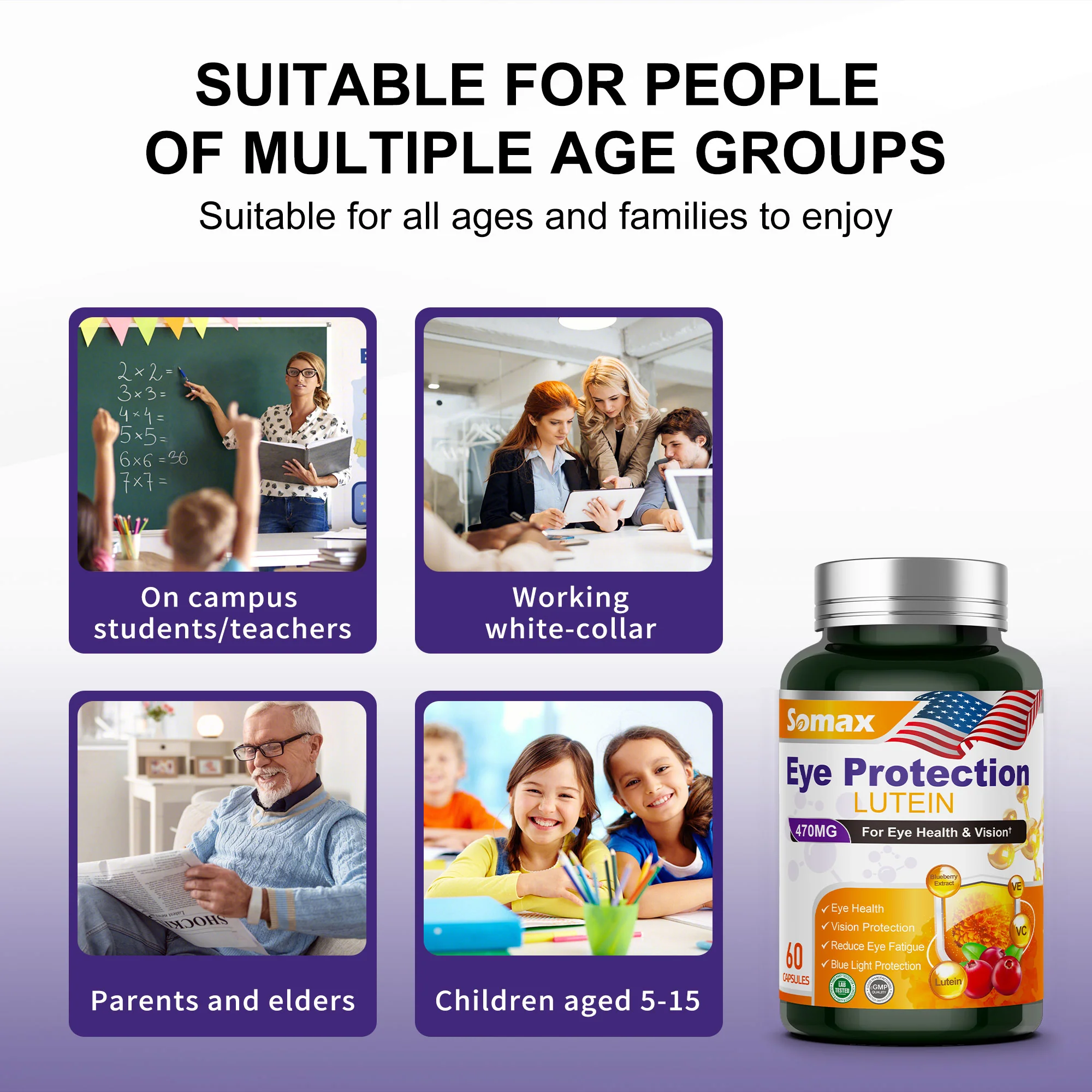
| Functional - Eyes | Extended screen time, age 40+ | Lutein + Zeaxanthin | High |
| Functional - Liver | Social drinking, medication burden | Liver complex (Milk Thistle, etc.) | Medium |
| Functional - Anti-Inflammatory | Joint discomfort, elevated inflammation markers | Omega-3 / Fish Oil | Medium |
| Situational | Specific life scenarios | Hangover recovery, sleep support, etc. | As needed |
✅ PureNutraHubs' Product Philosophy
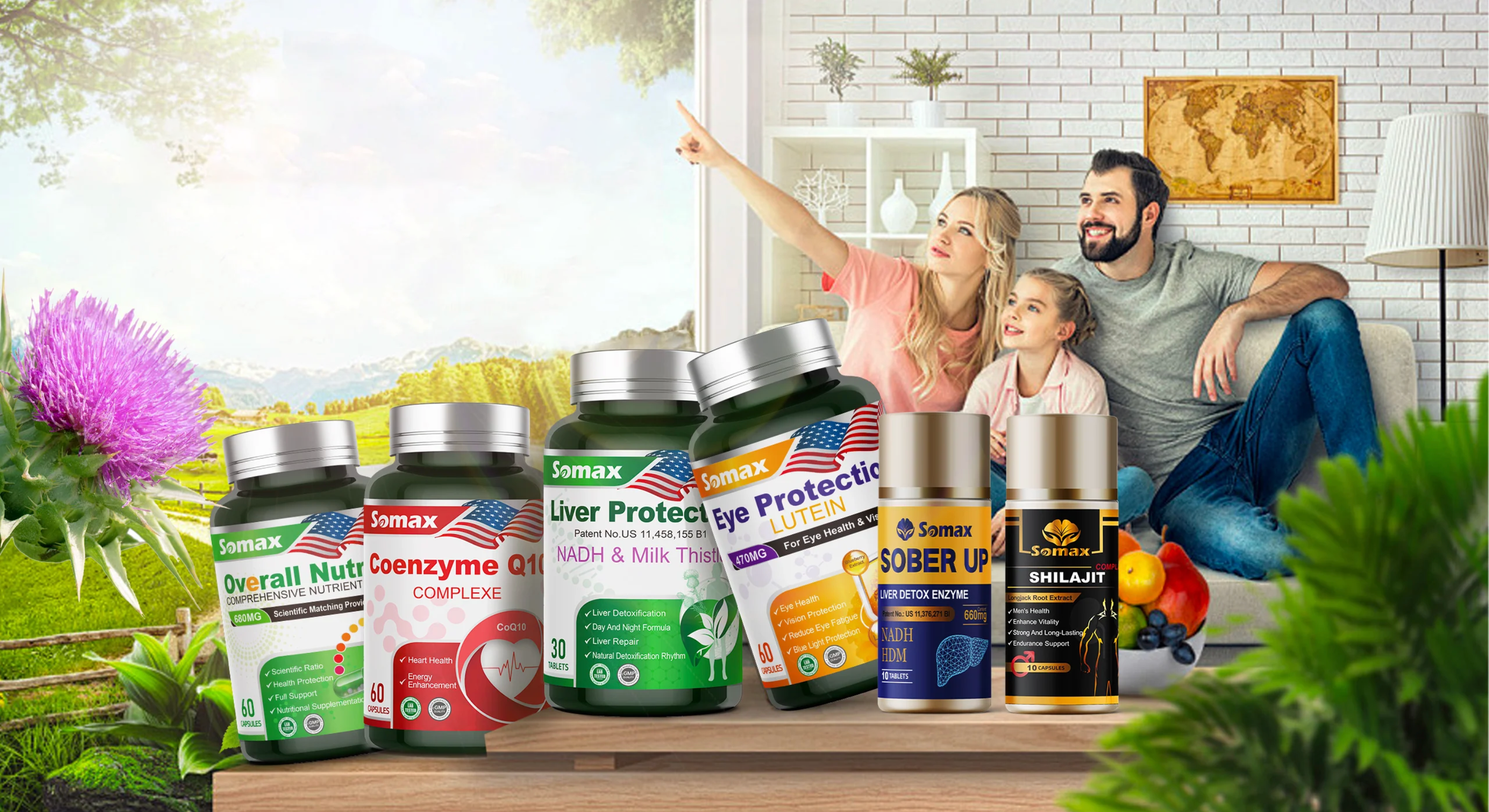
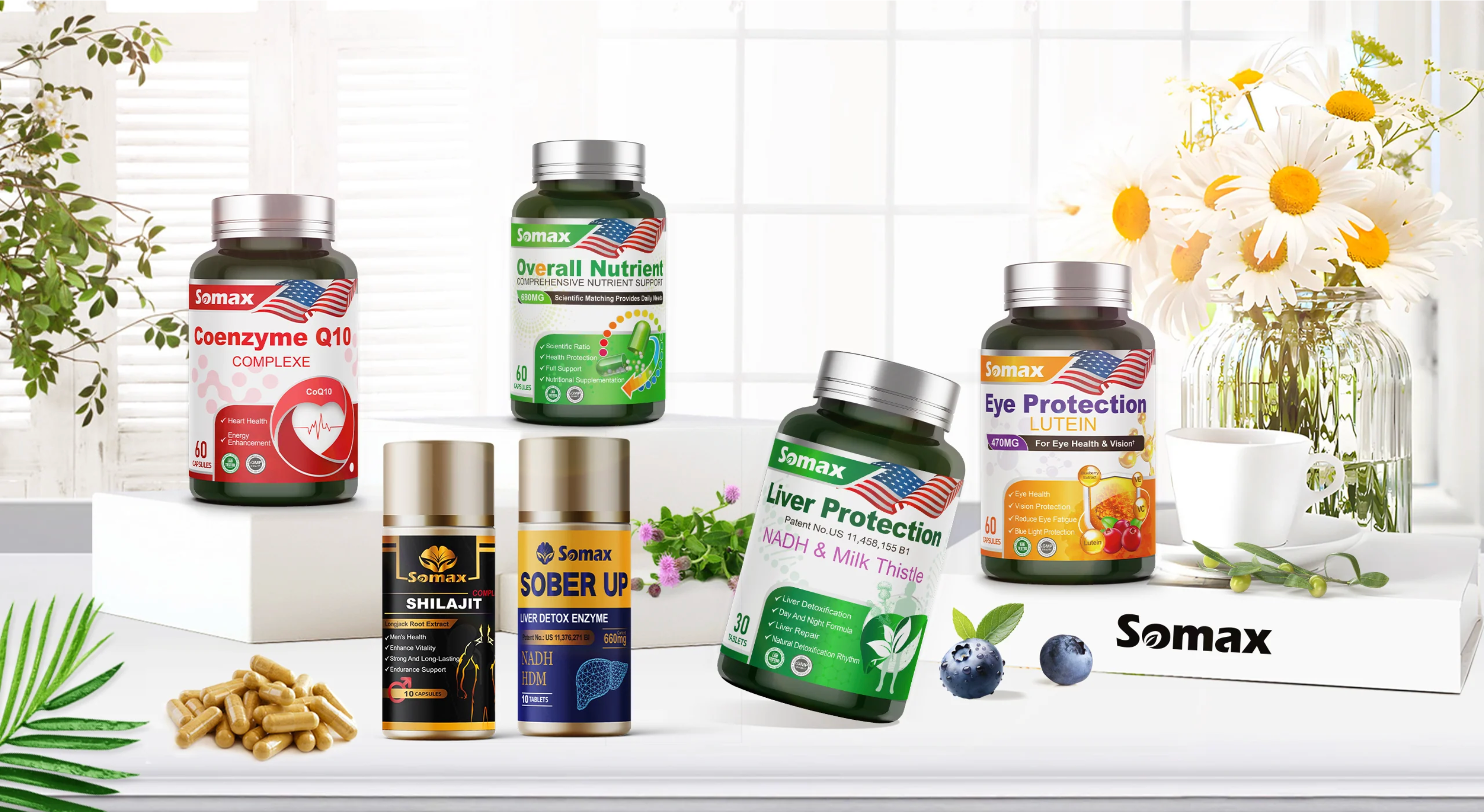
The Somax product line is designed around this tiered logic: Overall Nutrient 680mg covers foundation needs, CoQ10 Complex, Eye Protection Lutein, and Liver Protection target different functional needs, while Sober Up Liver Enzyme handles specific situations. Every product uses active ingredient forms, transparent labeling, and GMP-certified manufacturing. Our goal isn't to sell you a mountain of products — it's to help you build the most streamlined, effective nutrition plan based on your individual needs.
8. Label Reading in Practice: Your Quick-Screen Checklist
Finally, here's all the knowledge above distilled into a portable "shopping checklist." Next time you're at the supplement aisle, follow this sequence to make a preliminary judgment about any product in under 2 minutes:
- Step 1: Check Serving Size — Confirm how many capsules per serving, calculate actual per-capsule content
- Step 2: Examine ingredient forms — Are they active forms (Methylfolate, Methylcobalamin, Ubiquinol, Magnesium Glycinate) or budget synthetic forms?
- Step 3: Check for Proprietary Blends — If present, proceed with caution; prioritize transparent label products
- Step 4: Review Other Ingredients — The shorter the excipient list, the better; watch for artificial colors and controversial additives
- Step 5: Verify GMP certification and third-party testing — Verifiable certification info should appear on the bottle or official website
- Step 6: Evaluate health claims — Should use "supports/promotes/maintains" language with the FDA disclaimer
- Step 7: Research the brand — Brands with an official website, reachable customer service, and available testing reports are more trustworthy
"The best supplement is the one you can trust. Trust comes from transparency — transparent ingredients, transparent dosages, transparent testing." — Dr. Mark Moyad, University of Michigan, Jenkins/Pokempner Director of Preventive & Alternative Medicine
Conclusion: Become a Discerning Consumer
In an age of information overload, supplement shopping is no longer as simple as "expensive or cheap." Behind the $60 billion market, rigorous science is driving progress, but unscrupulous sellers are also exploiting information asymmetry for profit.
By mastering the core evaluation framework in this article — reading labels, verifying certifications, distinguishing ingredient forms, and being alert to proprietary blends and marketing tactics — you've already surpassed 95% of consumers. You don't need to become a nutrition expert, but you do need to become a discerning consumer with basic judgment skills.
Remember: a good supplement never fears scrutiny. A brand that proactively shares all its information and welcomes consumer questions is almost always more trustworthy than one that relies on flashy packaging and vague marketing language to attract attention.
📌 Key Takeaways
- The U.S. supplement market exceeds $60 billion, but under DSHEA, products require no FDA pre-approval to enter the market
- Serving Size, ingredient form, and %DV are the three most critical pieces of information on the Supplement Facts label
- GMP certification is the minimum threshold — NSF, USP, and ConsumerLab third-party testing are the real quality benchmarks
- Active ingredient forms (Methylfolate, Methylcobalamin, Ubiquinol) have far superior absorption vs. cheap synthetic forms
- Proprietary Blends hide individual ingredient amounts — prioritize transparent label products
- Watch out for overstated claims, fake certifications, and "Fairy Dusting" with ineffective doses
- Build your personal plan in tiers: Foundation → Functional → Situational, with 3-month evaluation cycles
📚 References
- U.S. Food & Drug Administration. "Dietary Supplement Health and Education Act of 1994 (DSHEA)." FDA.gov, Public Law 103-417.
- Nutrition Business Journal. "Supplement Business Report 2025: Market Size and Consumer Trends." NBJ, 2025.
- Cohen, P.A. "The Supplement Paradox: Negligible Benefits, Robust Consumption." JAMA, 2024; 332(12): 1055-1056.
- NSF International. "NSF/ANSI 173: Dietary Supplements — Standard for Testing and Certification." NSF.org, 2023.
- Bailey, R.L. et al. "Dietary supplement use in the United States, 2003-2012." JAMA Internal Medicine, 2013; 173(5): 355-361.
- Scaglione, F. & Panzavolta, G. "Folate, folic acid and 5-methyltetrahydrofolate are not the same thing." Xenobiotica, 2014; 44(5): 480-488.
- Langsjoen, P.H. & Langsjoen, A.M. "Comparison study of plasma coenzyme Q10 levels in healthy subjects supplemented with ubiquinol versus ubiquinone." Clinical Pharmacology in Drug Development, 2014; 3(1): 13-17.